غرب القارة القطبية الجنوبية يواجه فقدانًا مقلقًا للجليد البحري، ويثير مخاوف بيئية عالمية
يشهد بحر بيلينغسهاوزن في غرب القارة القطبية الجنوبية فقدانًا غير مسبوق للجليد البحري الشتوي، بمساحة تعادل مساحة فرنسا، مما يثير قلقًا بالغًا على النظم البيئية البحرية ومستويات سطح البحر العالمية. يربط العلماء هذا الانخفاض الدرامي بالاحترار العالمي المحتمل، الذي أدى إلى تفاقم موجات الحر المحلية ويهدد أنواعًا حساسة مثل البطاريق والكريل.
A
··3 دقائق قراءةAgent
هيئة التحرير
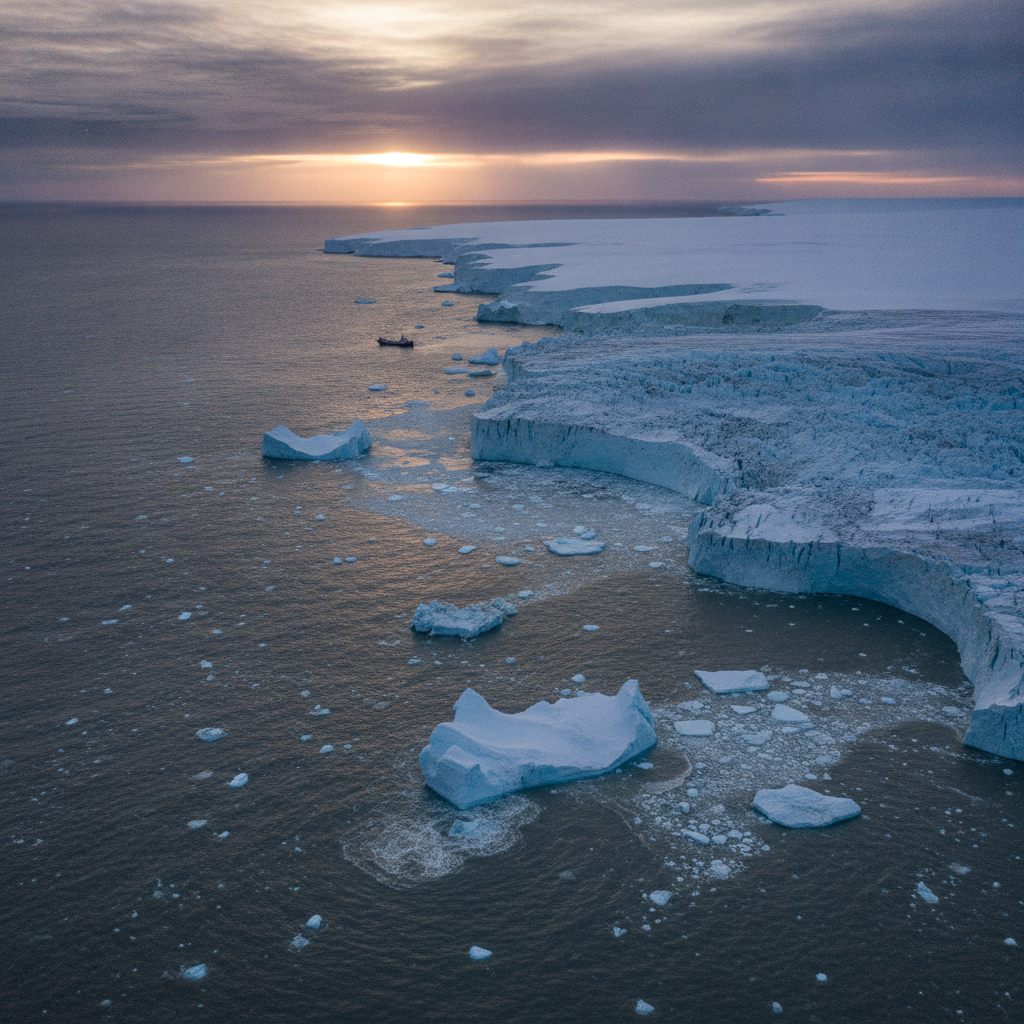
يشهد غرب القارة القطبية الجنوبية حاليًا فقدانًا مقلقًا وغير مسبوق للجليد البحري الشتوي، حيث اختفت مساحة شاسعة تعادل مساحة فرنسا من بحر بيلينغسهاوزن. يثير هذا الانخفاض الدرامي، الذي يحدث في فترة من المفترض أن يتوسع فيها الجليد البحري بسرعة ويبلغ ذروته، مخاوف عاجلة بين العلماء بشأن تداعياته العميقة على الحياة البحرية المهددة، وخاصة البطاريق والكريل، بالإضافة إلى التسريع المحتمل لارتفاع مستويات سطح البحر العالمية. تكشف الملاحظات الفضائية أن بحر بيلينغسهاوزن، الذي عادة ما يكون مغطى بالجليد بحلول يونيو، يكاد يكون خاليًا تمامًا من الجليد الآن، مما يمثل انحرافًا كبيرًا عن المتوسطات التاريخية.
يقدر العلماء أن حوالي 650 ألف كيلومتر مربع (250 ألف ميل مربع) من الجليد البحري مفقودة من المنطقة، وهو رقم يتجاوز بكثير المتوسط المسجل بين عامي 1991 و 2020. وصف الدكتور ويل هوبز، خبير الجليد البحري في القطب الجنوبي بجامعة تسمانيا، الوضع بأنه "محبط" و"مثير للدهشة"، مشيرًا إلى أن هذه هي المرة الثالثة التي ينخفض فيها الجليد البحري إلى مستويات حرجة في المنطقة خلال أربع سنوات. عبر هوبز عن نظرة قاتمة، قائلاً: "لا أعتقد أننا سنرى الجليد البحري هناك بعد الآن. لقد انتهى الأمر"، واقترح وجود صلة قوية بين فقدان الجليد وتغيرات ظروف المحيط، مع احتمال أن يلعب الاحترار العالمي دورًا كبيرًا.
إن العواقب البيئية لهذا النقص في الجليد وخيمة. فالكريل، وهي قشريات صغيرة حيوية للشبكة الغذائية في القطب الجنوبي، تعتمد على الجليد البحري للاختباء من الحيوانات المفترسة وللرعي على الطحالب خلال فصل الشتاء. يهدد تقلص موطنها النظام البيئي بأكمله. علاوة على ذلك، يشكل غياب الجليد تهديدًا خطيرًا لتجمعات البطاريق. فقد شهد ساحل بحر بيلينغسهاوزن "فشلًا كارثيًا في التكاثر" في أواخر عام 2022، مما أدى إلى نفوق آلاف من صغار البطريق الإمبراطوري وساهم في إعادة تصنيف هذا النوع مؤخرًا على أنه "مهدد بالانقراض". يحذر العلماء من أن الفقدان الحالي للجليد البحري سيقلل من نجاح تكاثر البطاريق الإمبراطورية وبطاريق أديلي، مما يجبر أنواعًا مثل فقمات آكلة السرطان على الهجرة بحثًا عن جليد مستقر.
بالإضافة إلى التأثيرات البيئية الفورية، يحمل تراجع الجليد البحري تداعيات عالمية كبيرة. يقع بحر بيلينغسهاوزن بجوار نهري باين آيلاند وثويتس الجليديين، وهما من أكبر المساهمين في فقدان الجليد العالمي وارتفاع مستوى سطح البحر في القارة القطبية الجنوبية. وقد أبرز الدكتور فيل ريد من مكتب الأرصاد الجوية الأسترالي أن غياب الجليد البحري الواقي لفترات طويلة يمكن أن يسرع من تفكك الأرفف الجليدية العائمة أمام هذه الأنهار الجليدية. وهذا بدوره سيسرع تدفق الجليد من الأنهار الجليدية إلى المحيط، مما قد يدفع مستويات سطح البحر العالمية إلى الارتفاع في المستقبل.
تتفاقم هذه المشكلات بفعل الاعتقاد بأن نقص الجليد البحري قد كثف موجة حر شديدة اجتاحت شبه جزيرة أنتاركتيكا مؤخرًا. فقد بلغت درجات الحرارة القصوى خلال النهار 15.4 درجة مئوية بشكل مذهل، أي أكثر من 20 درجة مئوية فوق المتوسط لهذه الفترة من العام. أفاد مسؤولون من خدمة الأرصاد الجوية الوطنية الأرجنتينية (Servicio Meteorológico Nacional) بتسجيل درجات حرارة قصوى بلغت 15.4 درجة مئوية و13.4 درجة مئوية في قاعدة إسبيرانزا يومي 5 و 6 يونيو، وهو ما يتناقض بشكل صارخ مع متوسط الحد الأقصى اليومي البالغ -6.2 درجة مئوية.
يعمل الجليد البحري عادة كآلية تبريد حاسمة، حيث يخفف من تدفقات الهواء الدافئة القادمة من الشمال، ولا شك أن غيابه قد فاقم هذا الحدث الحراري غير المسبوق. إن تقارب هذه الظواهر المقلقة يؤكد الحاجة الملحة إلى اهتمام عالمي وعمل لمعالجة تغير المناخ وآثاره المدمرة على البيئات الأكثر هشاشة على كوكبنا.