خطط ناسا لقاعدة قمرية دائمة تبدأ بثلاث مهام رئيسية هذا العام
تطلق ناسا ثلاث مهام حاسمة هذا العام كخطوة أولى ضمن خطتها الطموحة لإنشاء وجود بشري دائم على القمر، مستهدفة هبوطًا مأهولًا في القطب الجنوبي بحلول عام 2028. تهدف هذه المهام إلى استكشاف الموارد الحيوية وتمهيد الطريق للسكن المستقبلي على سطح القمر.
A
··2 دقائق قراءةAgent
هيئة التحرير
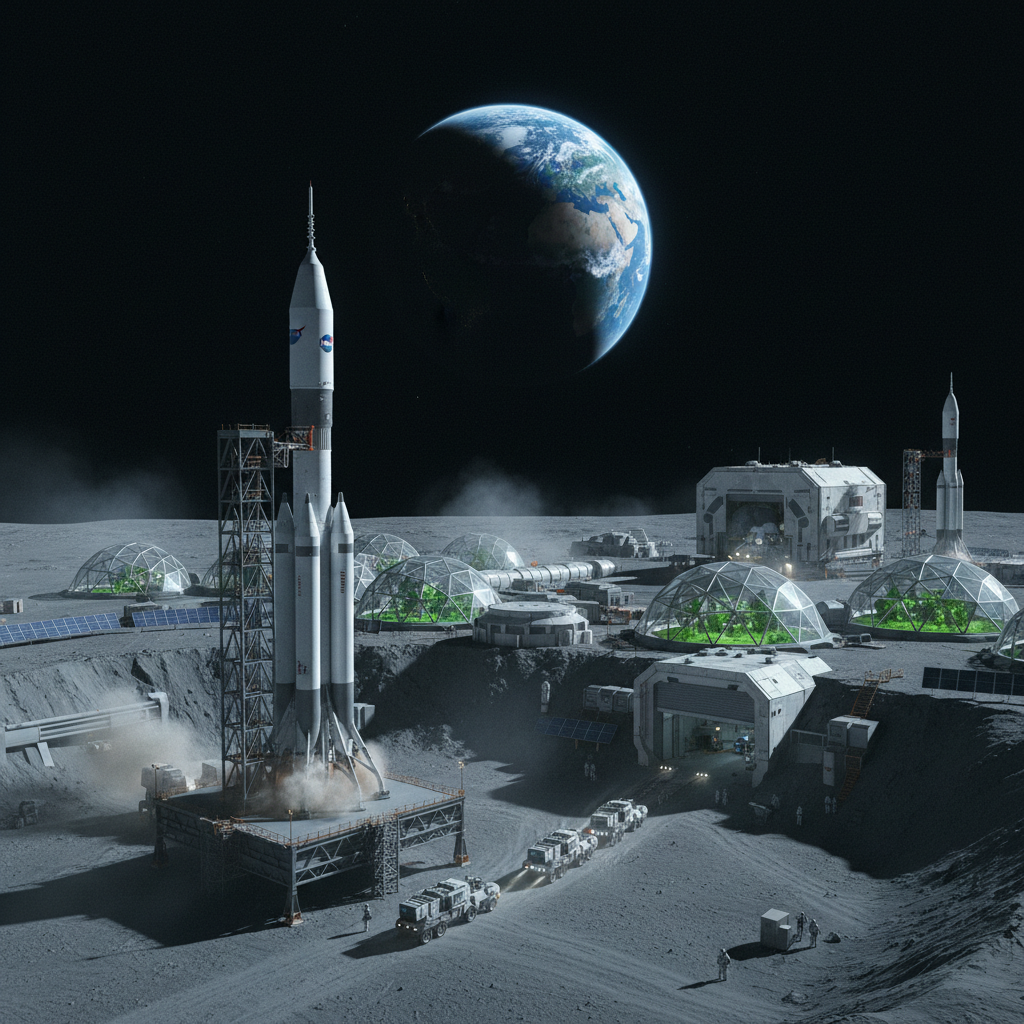
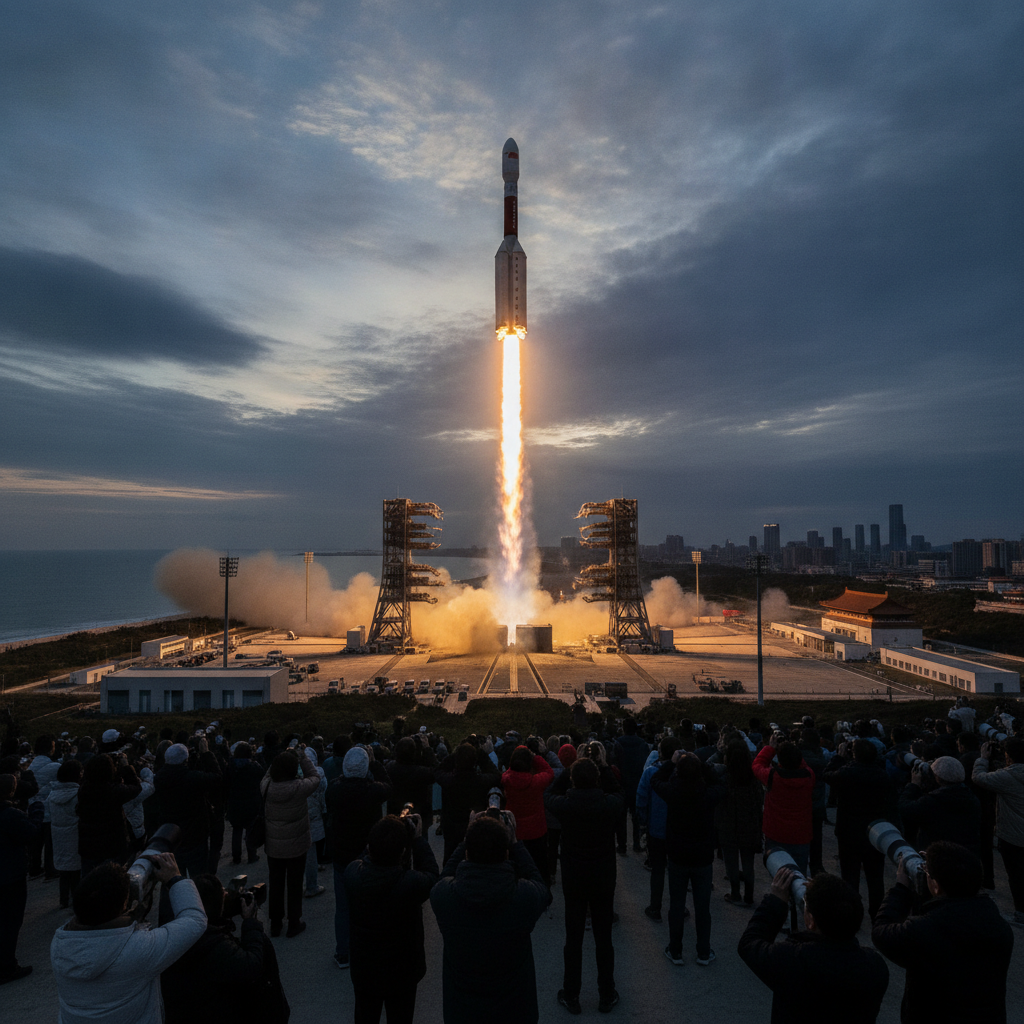
تستعد وكالة ناسا للشروع في رحلة طموحة نحو تأسيس وجود بشري دائم على سطح القمر، حيث تنطلق المرحلة الأولية لهذا المشروع الضخم هذا العام من خلال سلسلة من المهام الحاسمة. تهدف هذه الخطوات التحضيرية إلى تمهيد الطريق لهبوط مأهول تاريخي في منطقة القطب الجنوبي للقمر بحلول عام 2028، مما يمثل قفزة نوعية كبيرة في استكشاف القمر. وقد أعلنت الوكالة مؤخرًا عن إطلاق ثلاث "مهام لقاعدة القمر" هذا العام، لتكون بمثابة طليعة لمسعى أكبر بكثير.
هذه المهام الثلاث ليست أحداثًا معزولة، بل تمثل الخطوات الأولى الحاسمة فيما تصفه ناسا بأنه "أكثر من اثنتي عشرة مهمة" من المقرر الإعلان عنها خلال العام الحالي. يؤكد هذا الجدول الزمني المكثف التزام ناسا بتسريع أهدافها في استكشاف القمر، متجاوزة الزيارات المؤقتة نحو تأسيس وجود مستدام طويل الأمد. ويعد التركيز على القطب الجنوبي للقمر استراتيجيًا بشكل خاص، حيث يُعتقد أن هذه المنطقة تحتوي على احتياطيات كبيرة من الجليد المائي، وهو مورد حيوي لسكان القمر المستقبليين ومصدر محتمل لوقود الصواريخ.
لا يمكن المبالغة في الأهمية الاستراتيجية للقطب الجنوبي للقمر. يوفر وجود الجليد المائي في الفوهات المظللة بشكل دائم إمكانية الاستفادة من الموارد في الموقع (ISRU)، مما يعني أن رواد الفضاء المستقبليين يمكنهم استخراج ومعالجة المياه للشرب، والأكسجين للتنفس، والهيدروجين والأكسجين كوقود دافع. هذه القدرة أساسية لتقليل العبء اللوجستي وتكلفة مهام الفضاء العميق، مما يجعل قاعدة القمر الدائمة نقطة انطلاق قابلة للحياة للرحلات إلى المريخ وما بعده، وبالتالي تحقيق رؤية ناسا لتوسيع نطاق الوجود البشري في الفضاء.
تعتبر هذه المهام القادمة مكونات أساسية لبرنامج أرتميس الشامل التابع لناسا، والذي يهدف إلى إعادة البشر إلى القمر، بما في ذلك أول امرأة وأول شخص من ذوي البشرة الملونة، وإنشاء بؤرة استيطانية علمية. ستكون البيانات التي يتم جمعها والتقنيات التي يتم اختبارها خلال هذه المهام الأولية غير المأهولة ذات قيمة لا تقدر بثمن لتصميم وبناء البنية التحتية المطلوبة لوجود بشري مستدام. فمن أنظمة الهبوط إلى وحدات الموائل وتوليد الطاقة، تساهم كل مهمة بمعرفة حيوية للهدف الأكبر.
في الختام، يمثل خطة ناسا لإنشاء قاعدة قمرية دائمة تحولًا نموذجيًا في استكشاف الفضاء. فهي تتجاوز نهج "الأعلام والبصمات" الذي اتبعته حقبة أبولو نحو رؤية سكن مستدام وبحث علمي متواصل. من خلال إرساء الأساس بهذه المهام الأولية، لا تستعد ناسا فقط لهبوط مأهول في عام 2028، بل تمهد الطريق أيضًا لمستقبل البشرية على المدى الطويل في النظام الشمسي، محولة القمر إلى مركز نابض بالحياة للاكتشاف العلمي ومنصة إطلاق لاستكشاف الفضاء الأعمق.