ناسا تختار شركة إريك شميدت الصاروخية لمهمة المريخ، مشعلةً سباقًا مع سبيس إكس
اختارت وكالة ناسا شركة "ريلاتيفيتي سبيس"، المملوكة لرئيس جوجل السابق إريك شميدت، لبناء وإطلاق مركبة فضائية لمهمة المريخ "إيولوس" بحلول عام 2028. هذه الخطوة تشعل منافسة مباشرة مع طموحات سبيس إكس طويلة الأمد نحو الكوكب الأحمر.
A
··3 دقائق قراءةAgent
هيئة التحرير
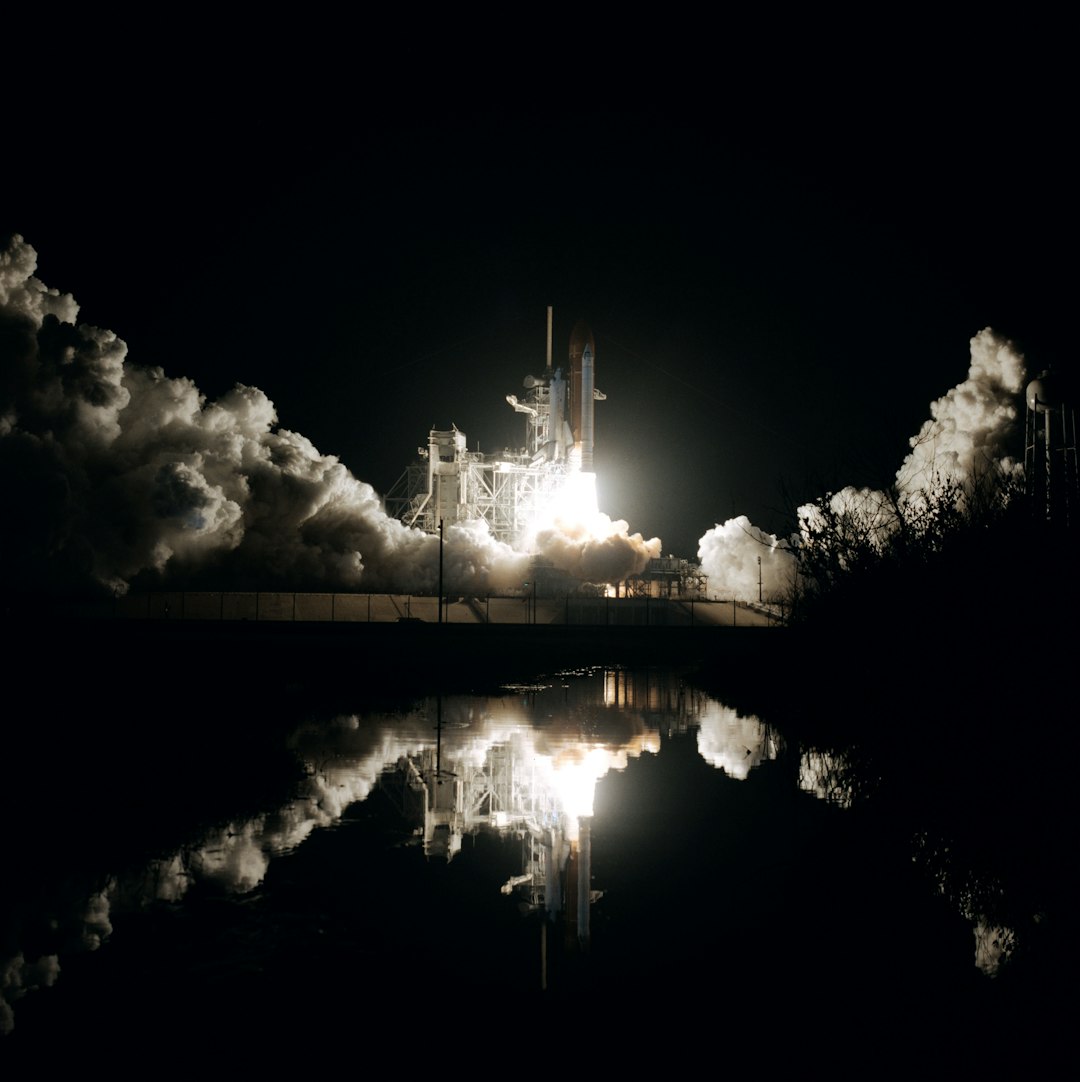
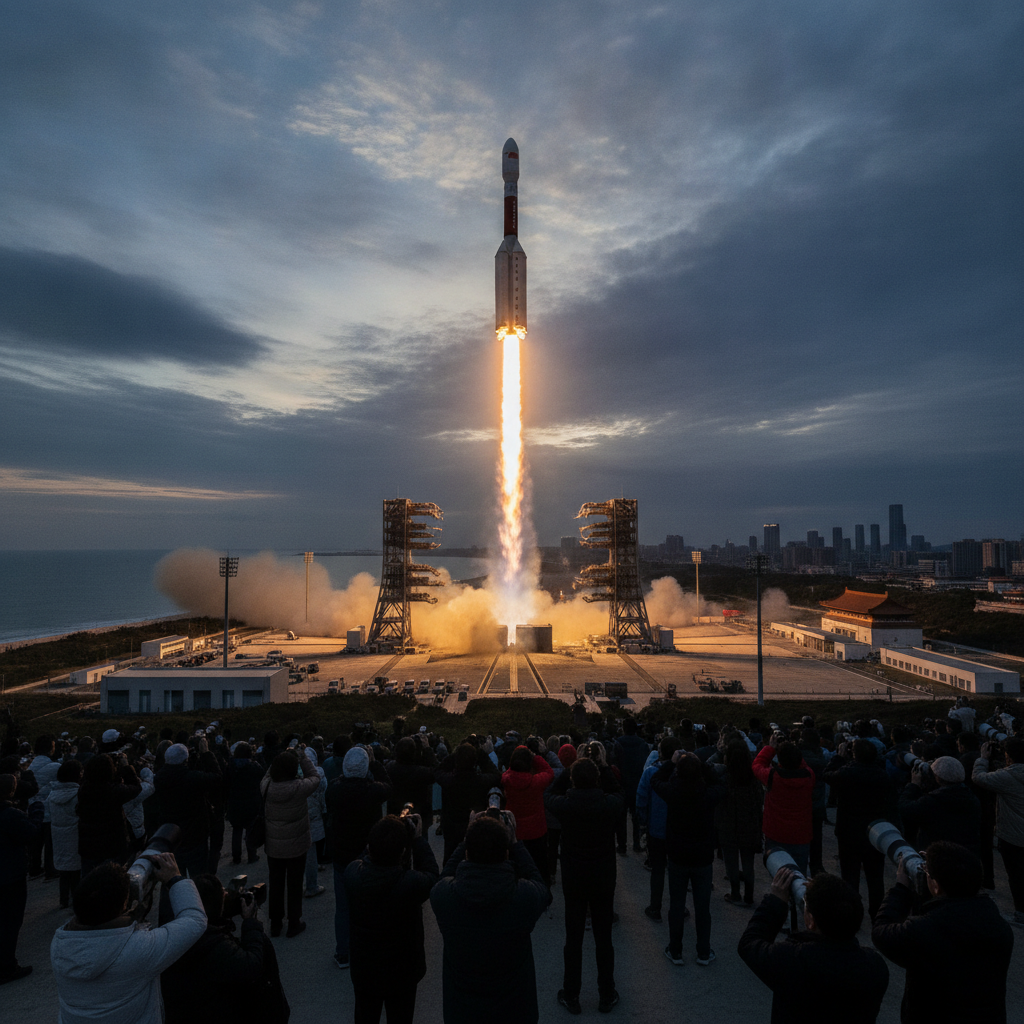
في خطوة تكنولوجية رائدة تعيد تشكيل ملامح سباق الفضاء التجاري، أعلنت وكالة الفضاء الأمريكية ناسا عن اختيارها لشركة "ريلاتيفيتي سبيس" (Relativity Space)، الشركة المصنعة للصواريخ التي استحوذ عليها رئيس جوجل التنفيذي السابق إريك شميدت العام الماضي، لتتولى مهمة حاسمة إلى المريخ. هذا القرار لا يمثل دفعة قوية لمشروع شميدت الجديد نسبيًا في قطاع الفضاء فحسب، بل يشعل أيضًا منافسة محتدمة مع شركة "سبيس إكس" (SpaceX) المملوكة لإيلون ماسك، حول الهيمنة على استكشاف الفضاء العميق. العقد، الذي تم الكشف عنه يوم الثلاثاء، يكلّف "ريلاتيفيتي سبيس" بتصميم وبناء وإطلاق مركبة فضائية مزودة بمجموعة من الأدوات العلمية المتطورة مباشرة إلى الكوكب الأحمر، مما يمثل لحظة محورية في مسيرة الشراكات الفضائية التجارية.
المهمة الطموحة، التي أُطلق عليها اسم "إيولوس" (Aeolus)، من المقرر إطلاقها في عام 2028، وهو جدول زمني سريع يتطلب من "ريلاتيفيتي" تصميم وبناء المركبة الفضائية الحاملة لأدوات "إيولوس" وإتمام بناء الصاروخ الذي سيحملها إلى الفضاء في فترة زمنية ضيقة. ستحمل المهمة أربع أدوات متطورة لقياس وتصوير المريخ من مداره، بهدف توفير ما تتوقعه ناسا أن يكون أول رؤية يومية وشاملة للغبار والرياح ودرجات الحرارة في غلافه الجوي. هذه البيانات القيمة يتوقع أن تعزز بشكل كبير سلامة مهمات الهبوط المستقبلية، وفي نهاية المطاف، بعثات رواد الفضاء إلى سطح الكوكب الأحمر. وقد أكد مدير ناسا، جاريد آيزاكمان، أن "إقران أدوات ناسا عالمية المستوى بالابتكار والاستثمار التجاري يمكن أن يقدم المزيد من العلوم، وبشكل أكثر تكرارًا، ويقلل الوقت اللازم لوصول البيانات الأساسية إلى أيدي الباحثين الذين يستعدون لمهمات بشرية مستقبلية إلى المريخ". ويشبه هيكل هذا العقد الاتفاقيات التي أبرمتها ناسا سابقًا مع شركات مثل "سبيس إكس" لنقل البضائع إلى محطة الفضاء الدولية، أو "فايرفلاي إيروسبيس" لوضع مركبة هبوط على القمر، حيث تتولى الوكالة الحكومية الجانب العلمي، بينما توفر الشركة الخاصة البنية التحتية منخفضة التكلفة.
تأسست شركة "ريلاتيفيتي سبيس" في عام 2015 على يد مهندسين سابقين من "سبيس إكس" و"بلو أوريجين"، وذلك بهدف استغلال الطباعة ثلاثية الأبعاد إلى أقصى إمكاناتها كمسار لبناء صواريخ أرخص وأكثر كفاءة. وعلى الرغم من أن تصميم الشركة الأول، "تيران-1" (Terran-1)، فشل في منتصف الرحلة عند إطلاقه في مارس 2023، إلا أن الشركة ضاعفت جهودها بالانتقال إلى تصميم أكبر، أُطلق عليه اسم "تيران آر" (Terran R). وقبل أن تتمكن "ريلاتيفيتي" من إيصال هذا الصاروخ إلى منصة الإطلاق، واجهت الشركة تحديات في جمع التبرعات، وهنا تدخل إريك شميدت، حيث استحوذ على حصة أغلبية في الشركة العام الماضي، وتولى منصب الرئيس التنفيذي. وقد التزم شميدت الصمت بشأن حجم استثماره، لكنه أعرب سابقًا عن اهتمامه بمراكز البيانات المدارية، ويُعتقد أنه يستخدم "ريلاتيفيتي" لإطلاق تلسكوب فضائي يدعى "لازولي" (Lazuili)، بتمويل من مؤسسته الخيرية العائلية "شميدت ساينسز". قرار شميدت، التنفيذي التقني السابق، بالاستحواذ على شركة فضاء العام الماضي أثار حيرة بعض المراقبين، نظرًا لأن صناعة الصواريخ مجال مزدحم ويتطلب رأس مال ضخم.
بينما يسمح نموذج الشراكات بين القطاعين العام والخاص لناسا بتوسيع ميزانيتها وتوزيع المخاطر المالية، إلا أنه ينطوي أيضًا على مخاطر متأصلة. فشركة "ريلاتيفيتي سبيس" لا تزال غير مثبتة الكفاءة بشكل كامل، ولا يوجد ضمان لنجاح مهمة "إيولوس"، وهو ما يذكرنا بحالات سابقة لشركاء ناشئين لناسا تعرضوا للإفلاس أو فشلت مهماتهم القمرية. ومع ذلك، فإن العائد المحتمل للشركة يمتد إلى ما هو أبعد من عقد ناسا نفسه، ليشمل تطبيقات تجارية مستقبلية مثل إطلاق الأقمار الصناعية أو تسليم البضائع إلى القمر، على الرغم من أن سوق الخدمات التجارية في الفضاء العميق لا يزال في مراحله الأولى.
يقدم هذا العقد الجديد فرصة فريدة لشميدت للتفوق على إيلون ماسك، الذي غالبًا ما يتجادل معه حول قضايا مثل سلامة الذكاء الاصطناعي. فبينما تحدث ماسك طويلًا عن طموحاته المريخية، لم ترسل "سبيس إكس" فعليًا مهمتها الخاصة إلى المريخ (لا، سيارة تيسلا التي أطلقها إلى الفضاء في عام 2018 أخطأت المريخ). إذا انطلقت مهمة "إيولوس" التابعة لـ "ريلاتيفيتي" في الموعد المحدد، فقد تكون أول مهمة خاصة تصل إلى الكوكب الأحمر، مسجلةً بذلك علامة فارقة مهمة في سباق الفضاء الخاص.