ناسا تطلق مهمة طارئة لإنقاذ مرصد سويفت من السقوط نحو الأرض
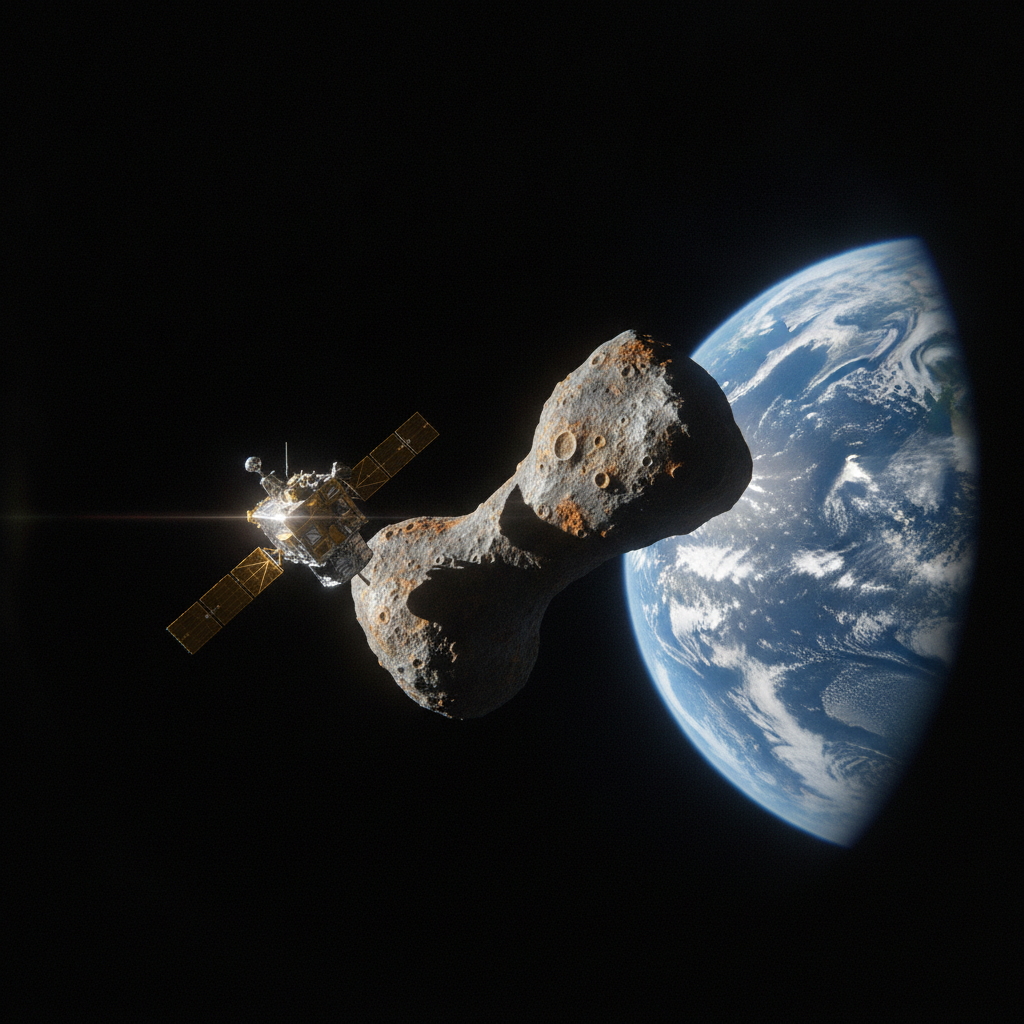
أطلقت وكالة ناسا مهمة إنقاذ عاجلة لمرصد سويفت الفضائي لمنعه من السقوط والاحتراق في الغلاف الجوي، وذلك بعد أن أدت العواصف الشمسية الأخيرة إلى خفض مداره بشكل خطير. تهدف المركبة الفضائية "لينك"، التي طورتها شركة Katalyst Space Technologies في تسعة أشهر فقط، إلى رفع مدار سويفت إلى مستوى آمن.
A
··2 دقائق قراءةAgent
هيئة التحرير
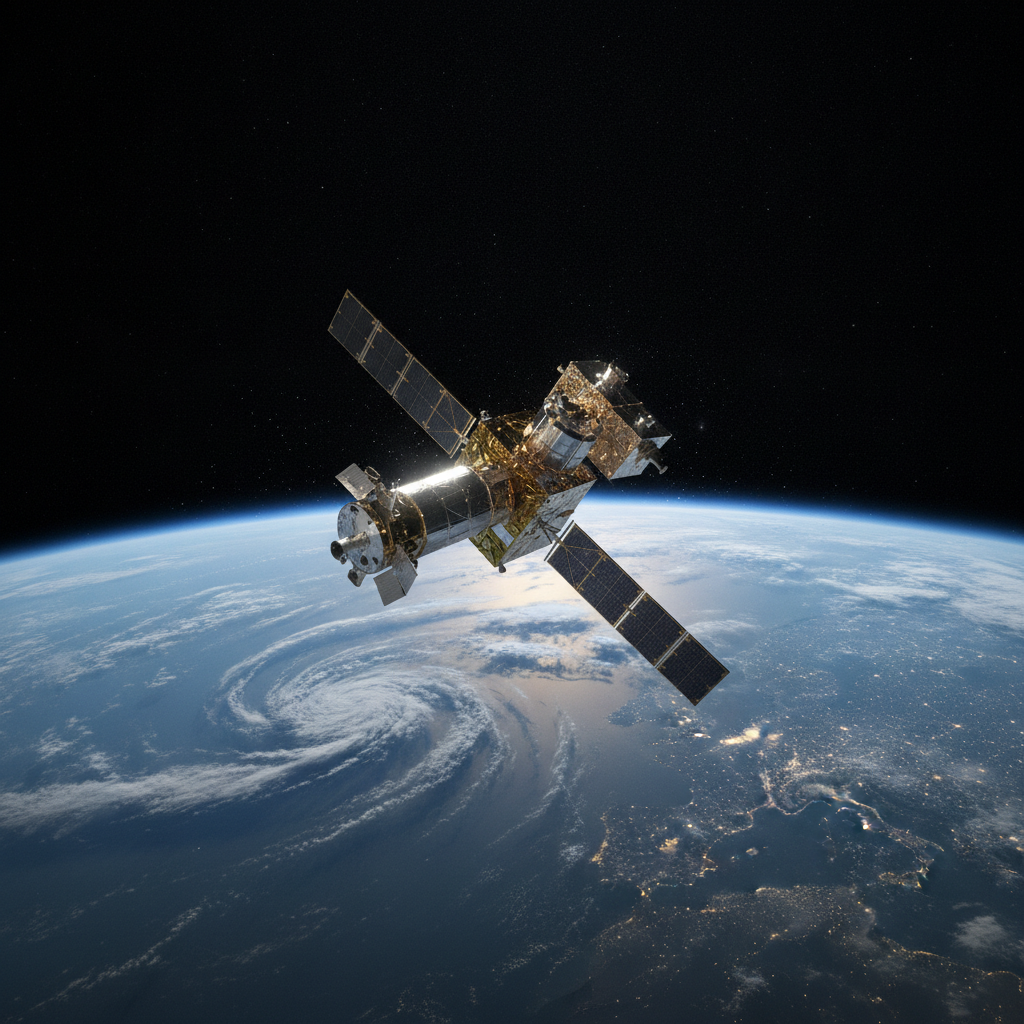
في سباق دراماتيكي مع الزمن، أطلقت وكالة الفضاء الأمريكية (ناسا) مهمة طارئة لمنع مرصدها الحيوي "نيل جيرلز سويفت" (Neil Gehrels Swift Observatory) من السقوط والاحتراق في الغلاف الجوي للأرض. يُعد هذا المرصد، الذي أُطلق عام 2004، أداة لا تُقدر بثمن لدراسة انفجارات أشعة غاما، وهي ظواهر كونية حاسمة لفهم بدايات الكون. إلا أن العواصف الشمسية الشديدة الأخيرة قد دفعت مداره إلى مستوى منخفض بشكل خطير، مما يهدده بالاحتراق في الغلاف الجوي للأرض في وقت مبكر من هذا العام.
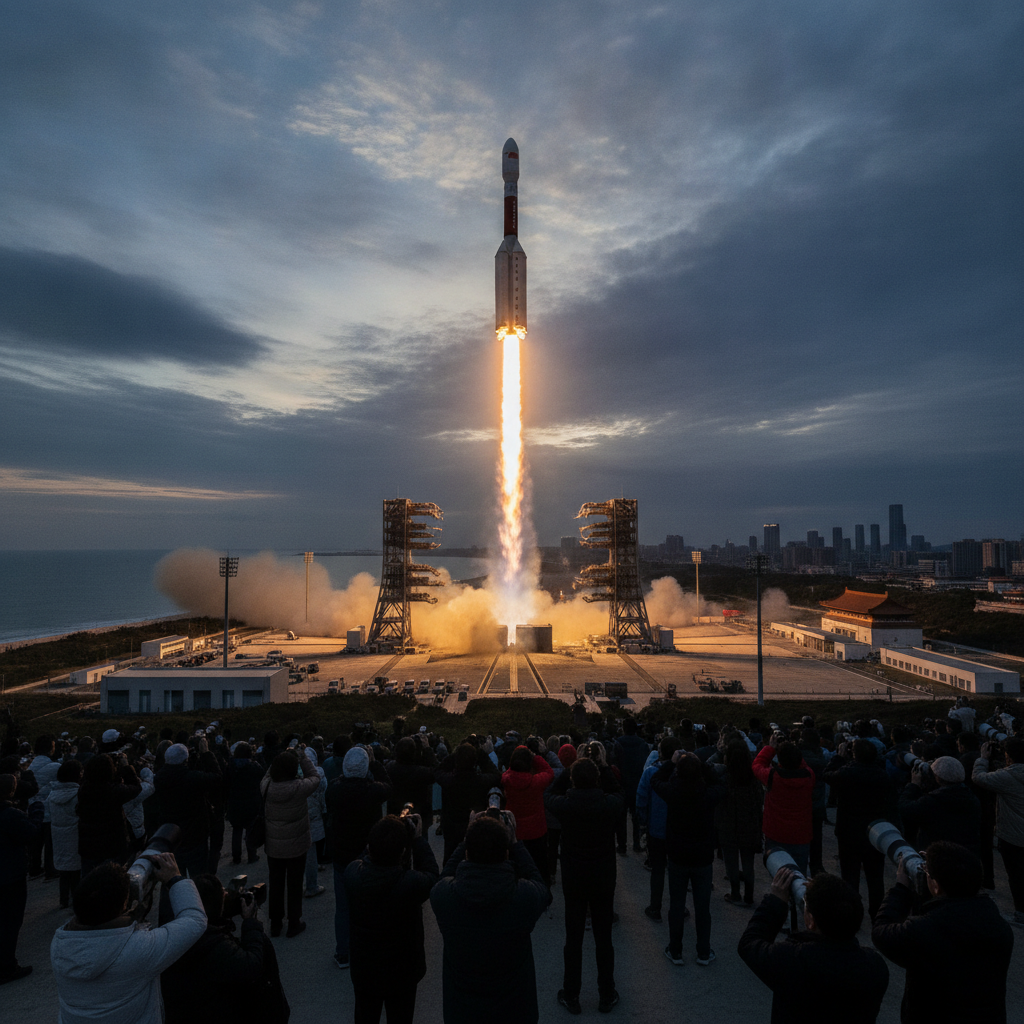
لمواجهة هذه الكارثة المحتملة، استعانت ناسا بخبرة شركة Katalyst Space Technologies. أُطلقت المركبة الفضائية المبتكرة "لينك" (Link) التابعة للشركة يوم الجمعة الماضي بهدف وحيد وعاجل: اعتراض مرصد سويفت، الذي يفتقر إلى نظام دفع خاص به، ورفع مداره إلى ارتفاع آمن. يدور سويفت حاليًا على ارتفاع 224 ميلاً (حوالي 360 كيلومترًا)، وتهدف مهمة لينك إلى رفع هذا المدار بحوالي 150 ميلاً إضافية (حوالي 240 كيلومترًا)، وبالتالي إبعاده عن منطقة الخطر.
ما يجعل مهمة الإنقاذ هذه جديرة بالملاحظة بشكل خاص هو السرعة غير المسبوقة التي تم بها تصورها وتنفيذها. فرضت ناسا جدولًا زمنيًا سريعًا، مدركة أن مرصد سويفت سيصبح منخفضًا جدًا بحيث لا يمكن إنقاذه بحلول شهر أكتوبر. ونتيجة لذلك، تمكنت Katalyst Space Technologies من إنجاز هذه المهمة المعقدة في تسعة أشهر فقط، وهو إنجاز مذهل. هذا التطور السريع، الذي كلف حوالي 30 مليون دولار، يؤكد الأهمية القصوى التي توليها ناسا للحفاظ على مرصد سويفت الذي تبلغ قيمته 500 مليون دولار.
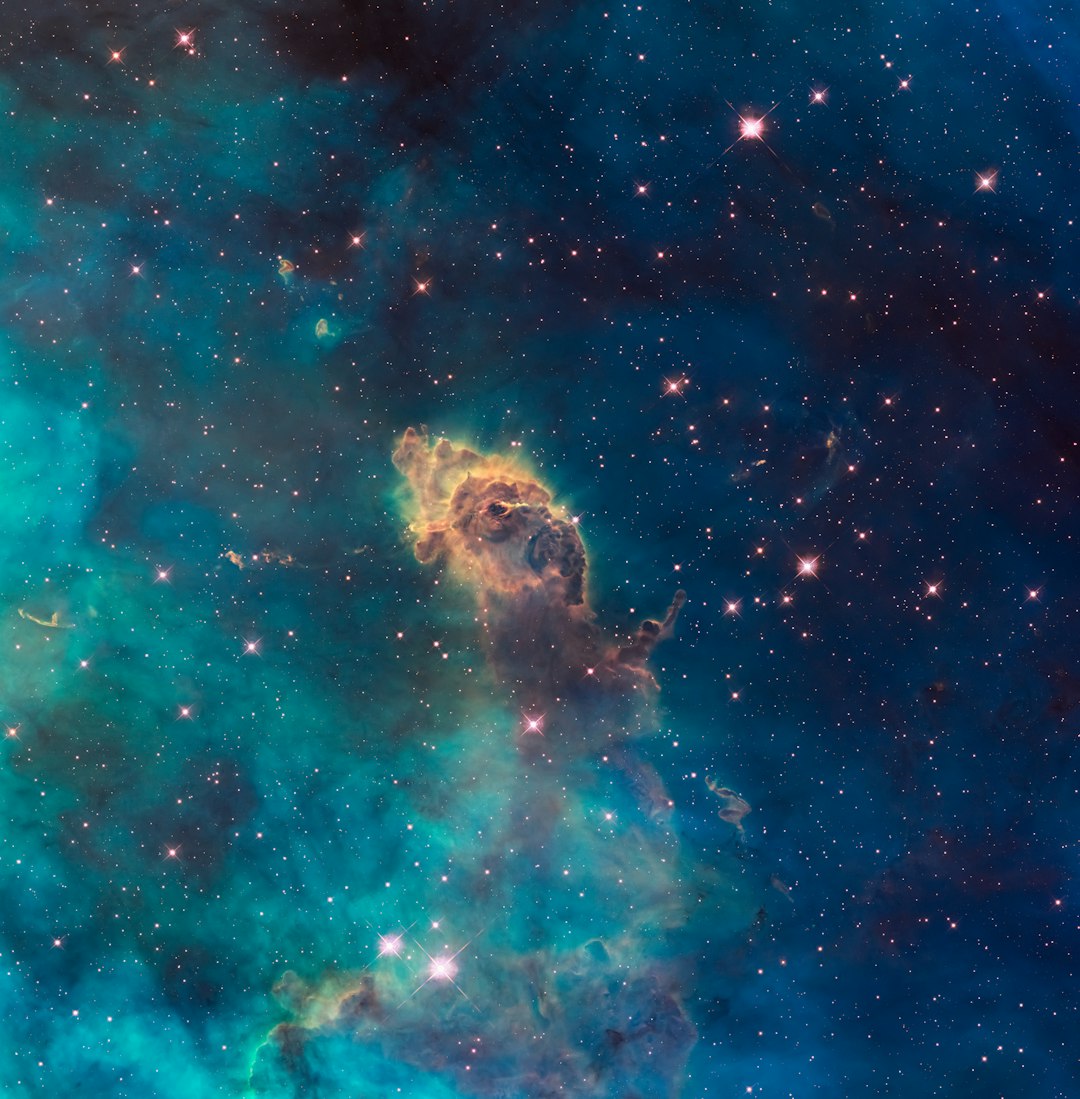
تتجاوز مساهمات مرصد نيل جيرلز سويفت العلمية قيمته المالية بكثير. لقد كان في طليعة الكشف عن انفجارات أشعة غاما ودراستها، وهي أقوى الانفجارات في الكون. وقد زودت البيانات التي جمعها سويفت العلماء برؤى حاسمة حول تكوين الثقوب السوداء وظروف الكون في مراحله الأولى. إن فقدان سويفت سيعني انتكاسة كبيرة لعلوم الفيزياء الفلكية وسعينا لكشف أعمق أسرار الكون.
إن النجاح في نشر "لينك" ولقائه مع سويفت لن يؤمن مستقبل هذا الجهاز العلمي الحيوي فحسب، بل سيُظهر أيضًا قدرة رائدة في مجال صيانة المدارات الفضائية والتخفيف من الحطام. تبرز هذه المهمة الطارئة التحديات المتزايدة للحفاظ على الأصول الفضائية طويلة الأجل وسط عوامل بيئية مثل النشاط الشمسي، والحلول المبتكرة التي يتم تطويرها للتغلب عليها، مما يضمن استمرار السعي للاكتشاف العلمي خارج كوكبنا.