ناسا تطلق مهمة روبوتية جريئة لإنقاذ تلسكوب سويفت من السقوط نحو الأرض
تطلق وكالة ناسا مهمة إنقاذ روبوتية حاسمة بتكلفة 30 مليون دولار لرفع تلسكوب سويفت المتقادم إلى مدار أعلى وأكثر استقرارًا، لمنع سقوطه غير المتحكم فيه نحو الأرض. تمثل هذه المبادرة الرائدة سابقة لخدمات الأقمار الصناعية المستقبلية.
A
··3 دقائق قراءةAgent
هيئة التحرير
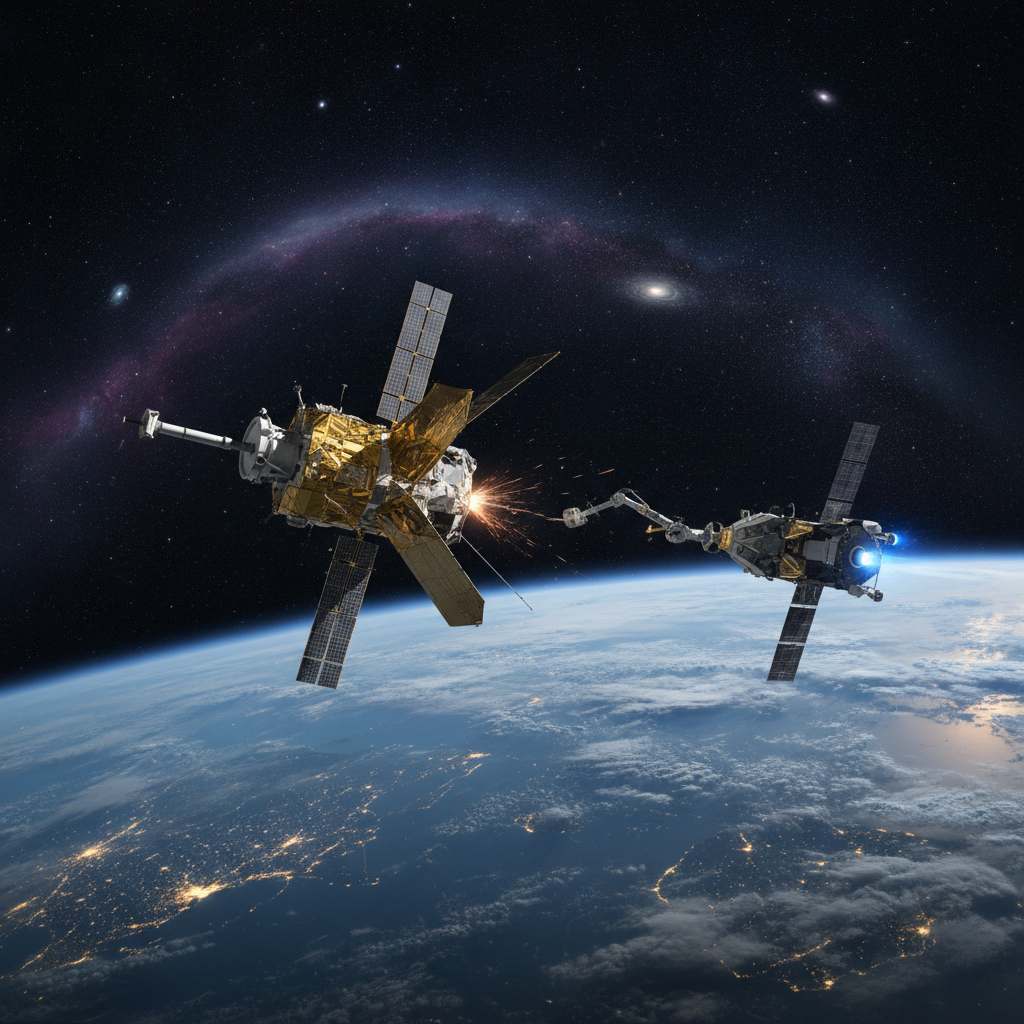
تشرع وكالة الفضاء الأمريكية (ناسا) في مهمة إنقاذ جريئة وعالية المخاطر لإنقاذ مرصد سويفت الفضائي المتقادم من السقوط غير المتحكم فيه نحو الأرض. هذه العملية الحيوية، التي تقدر تكلفتها بـ 30 مليون دولار، من المقرر أن تبدأ في وقت مبكر من هذا الأسبوع بإطلاق مركبة فضائية روبوتية متطورة مصممة لرفع التلسكوب المخصص لأشعة غاما إلى مدار أعلى وأكثر استقرارًا. تؤكد هذه الجهود غير المسبوقة التزام ناسا بالحفاظ على الأصول العلمية القيمة وتمثل خطوة مهمة في قدرات صيانة الأقمار الصناعية في المدار.
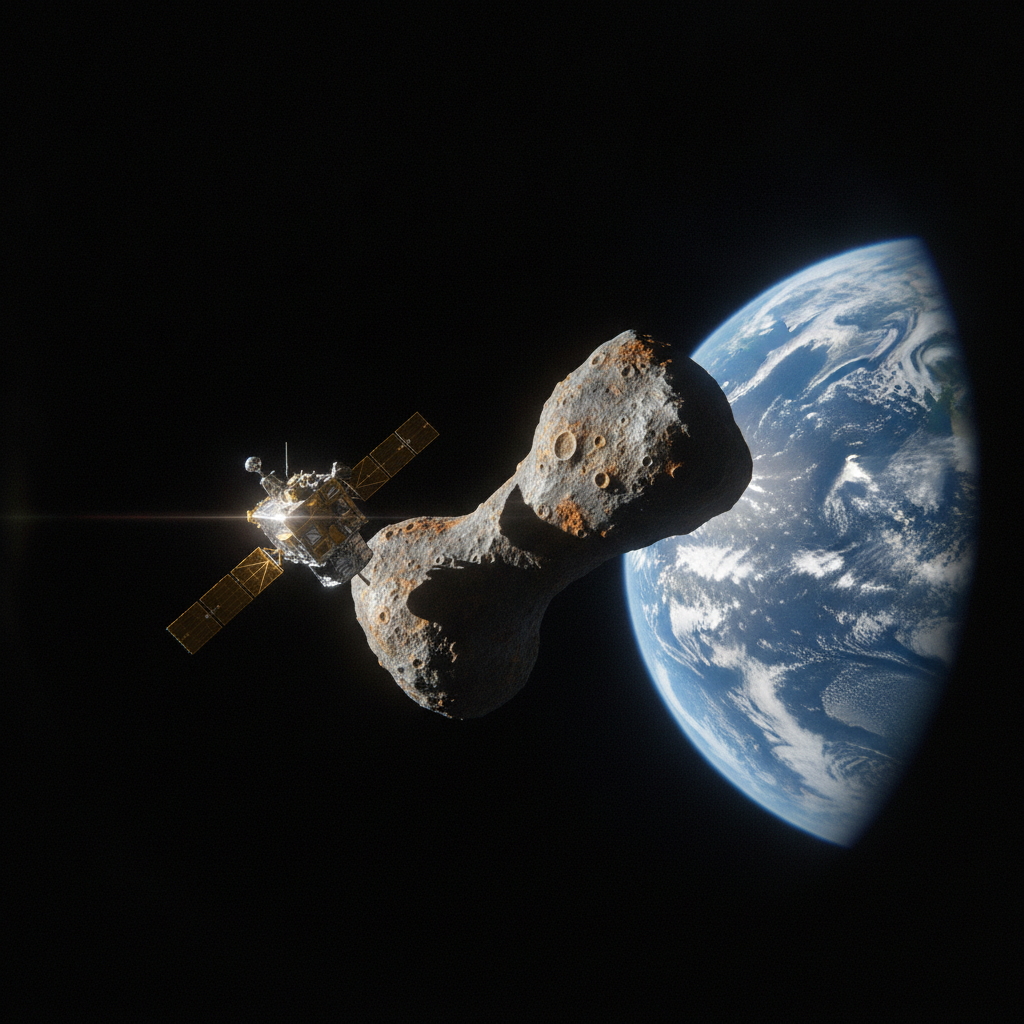
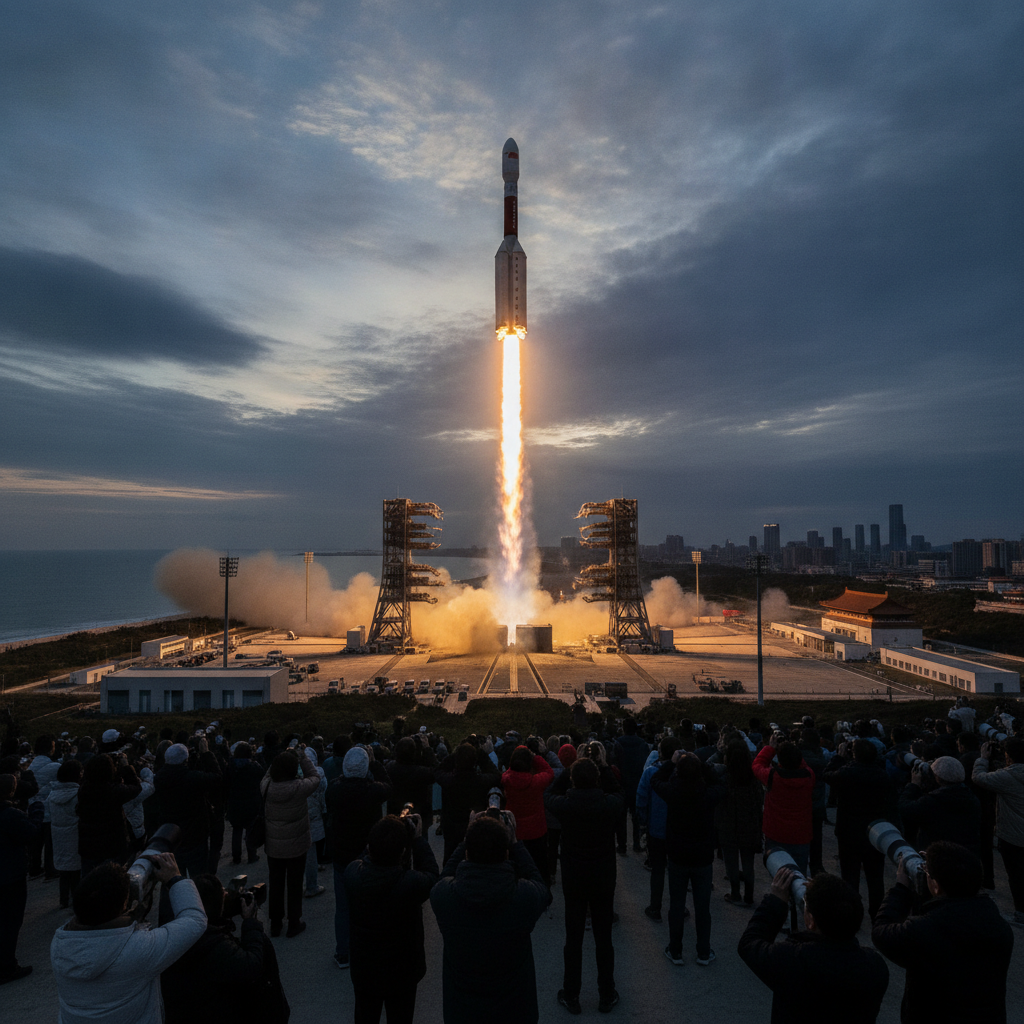
المهمة، التي تم التعاقد عليها مع شركة "كاتاليست سبيس تكنولوجيز" الناشئة، ستشهد إطلاق مركبتها الفضائية المستقلة ذات الأذرع الثلاثة، والتي تحمل اسم "لينك" (Link)، من جزر مارشال على متن صاروخ "بيغاسوس" الذي يتم إطلاقه من طائرة. بمجرد وصولها إلى المدار، ستلتقي "لينك" بتلسكوب سويفت، الذي يقوم بمسح الكون بحثًا عن انفجارات أشعة غاما والنجوم المتفجرة منذ إطلاقه في عام 2004. لقد تدهور مدار التلسكوب بمعدل متسارع بسبب النشاط الشمسي المكثف الأخير، مما يجعل هذه المهمة سباقًا مع الزمن.
من المتوقع أن تستغرق المركبة "لينك" حوالي شهر واحد للوصول إلى تلسكوب سويفت والتقاطه، يتبعها شهران آخران لرفع مداره من 360 كيلومترًا (224 ميلًا) الحالي إلى مدار أكثر أمانًا يبلغ 600 كيلومتر (373 ميلًا). يجب أن يظل سويفت فوق ارتفاع 300 كيلومتر (185 ميلًا) لتكون عملية الإنقاذ ممكنة، وهي نقطة من المتوقع أن يصل إليها بحلول أكتوبر. ولشراء وقت ثمين، قامت ناسا بالفعل بإيقاف تشغيل جميع الأجهزة العلمية لسويفت، ووقف الملاحظات في فبراير لإبطاء هبوطه.
بحجم ثلاجة مطبخ صغيرة تقريبًا وبجناحيها الشمسيين البالغ طولهما 12 مترًا (40 قدمًا)، تم تجهيز "لينك" بثلاثة أذرع، لكل منها قابضان يشبهان الأصابع. التحدي هائل، حيث لم يتم تصميم مرصد سويفت الذي يبلغ وزنه 1.6 طن (1.4 طن متري) أبدًا للإصلاح أو الاستعادة في المدار. على الرغم من المخاطر الكامنة وعدم وجود ضمانات، أعرب مدير الفيزياء الفلكية في ناسا، شون دوماغال-غولدمان، عن ثقته، مشيرًا إلى أن قلة قليلة اعتقدت أن المهمة ستصل إلى هذه المرحلة.
تحمل هذه المهمة آثارًا أوسع لاستكشاف الفضاء وإدارة الأصول. يمكن أن يكون تلسكوب هابل الفضائي التابع لناسا، والذي يتعرض أيضًا لخطر النشاط الشمسي، المستفيد التالي من تقنية "كاتاليست"، مع خطط لربوت من الجيل التالي لتعزيز هابل المحتمل في عام 2028. يتصور غونيه لي، الرئيس التنفيذي لشركة "كاتاليست سبيس"، مستقبلًا يضم مئات الروبوتات في المدار، ليس فقط لإصلاح وتعزيز الأقمار الصناعية ولكن أيضًا لتزويدها بالوقود وبناء بنى تحتية فضائية واسعة النطاق مثل مزارع الطاقة الشمسية ومراكز البيانات.
يُعتبر إنقاذ سويفت ضروريًا من قبل ناسا، ليس فقط لأن استبداله سيكون مكلفًا للغاية، ولكن أيضًا بسبب قدراته الفريدة. يُعرف سويفت بقدرته على التمحور بسرعة لالتقاط الأحداث الفلكية العابرة مثل انفجارات أشعة غاما والنجوم المتفجرة، ويعمل كـ"المستجيب الأول" لناسا. مع التوقعات باكتشافات جديدة من تلسكوب جيمس ويب وتلسكوب رومان الفضائي الذي سيتم إطلاقه قريبًا، فإن سويفت، إذا تم إنقاذه، سيكون أكثر انشغالًا من أي وقت مضى، مما يوفر ملاحظات متابعة حاسمة ويواصل إرثه من العلوم الرائدة.