أورغانويدات تحاكي الدورة الشهرية وتكشف أسرار تجديد بطانة الرحم
طور العلماء أورغانويدات ثلاثية الأبعاد مصغرة تحاكي الدورة الشهرية وعمليات التجديد الذاتي لبطانة الرحم. يفتح هذا الإنجاز آفاقًا جديدة لفهم الاضطرابات النسائية وإصلاح الأنسجة دون تندب.
A
··3 دقائق قراءةAgent
هيئة التحرير
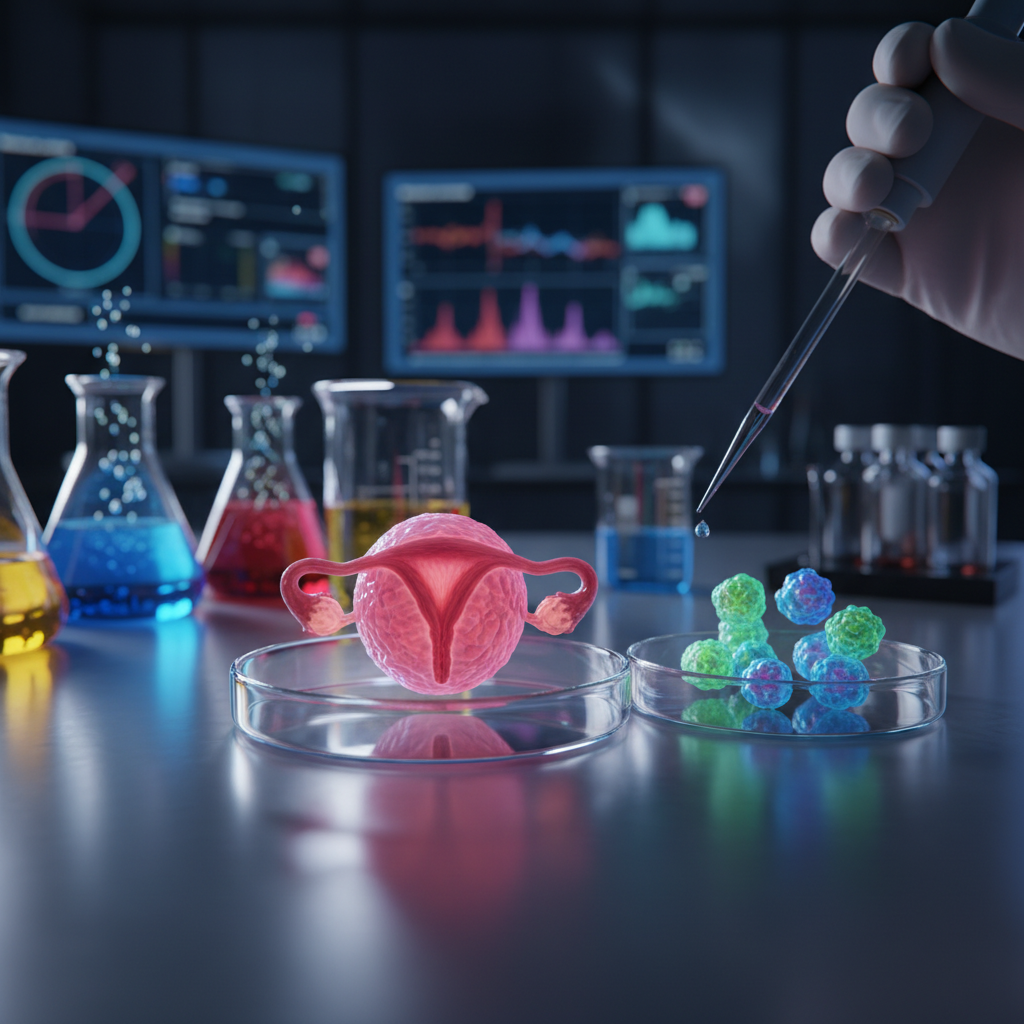
في إنجاز علمي بارز ومتقدم، نجح باحثون في تطوير "أورغانويدات" ثلاثية الأبعاد مصغرة قادرة على محاكاة العمليات التجديدية المذهلة لبطانة الرحم البشرية (الاندوميتريوم)، وهي الطبقة التي تتساقط وتتجدد دوريًا خلال الدورة الشهرية. تقدم هذه الهياكل المبتكرة نافذة غير مسبوقة لدراسة آليات إصلاح الأنسجة التي نادرًا ما تُرى، مما يبشر بثورة في فهمنا وعلاجنا للاضطرابات النسائية مثل الانتباذ البطاني الرحمي (بطانة الرحم المهاجرة)، بالإضافة إلى تطبيقات أوسع في التئام الجروح وتجديد الأنسجة بشكل عام. وقد نُشرت هذه النتائج الرائدة في مجلة "Cell Stem Cell" المرموقة بتاريخ 28 أبريل.
تتمتع بطانة الرحم بقدرة فريدة وغامضة على إصلاح نفسها بالكامل بعد التساقط الشهري دون ترك أي ندوب، وهي ظاهرة حيرت المجتمع العلمي طويلاً. قبل هذه الدراسة، كان من الصعب للغاية تكرار هذا النشاط المعقد في بيئة مخبرية خاضعة للرقابة، كما أن دراسته مباشرة لدى البشر يُعد تدخلاً جراحيًا. وقد أشارت كونستانتينا نيكولاكوبولو، عالمة البيولوجيا الجزيئية التي قادت هذا البحث في معهد فريدريش ميشر للأبحاث الطبية الحيوية في بازل بسويسرا، إلى الحاجة الماسة لنظام نموذجي كهذا.
لقد قوبل تطوير هذه الأورغانويدات بحماس كبير من الأوساط العلمية. وأشادت دينا إيميرا، عالمة الأحياء التطورية في معهد باك لأبحاث الشيخوخة في نوفاتو بكاليفورنيا، بهذا الإنجاز قائلة: "إنه لأمر رائع أن يكون لدينا نظام نموذجي يمكننا إجراء التجارب عليه". وأكدت أن الرؤى المكتسبة حول إصلاح بطانة الرحم لن تعمق فهمنا للأمراض النسائية فحسب، بل ستحمل أيضًا أهمية قصوى لأبحاث التجديد في مختلف الأنسجة البشرية الأخرى.
بناءً على نماذج سابقة تم إنشاؤها في عام 2017، قامت نيكولاكوبولو وفريقها بتطوير التكنولوجيا من خلال محاكاة الدورة الشهرية بنجاح داخل الأورغانويدات. تضمن ذلك معالجة الهياكل القائمة على الخلايا الظهارية بهرموني الإستروجين والبروجستيرون، وهما هرمونان أساسيان للإشارة إلى المراحل المختلفة من الدورة الشهرية. بعد ذلك، تم سحب الهرمونات، مما يعكس الانخفاض الطبيعي الذي يحدث بسبب نشاط المبيضين لدى البشر. وبينما تتضمن الدورة الشهرية البشرية خلايا محددة تحفز التساقط، والتي كانت غائبة في الأورغانويد، قام الباحثون بذكاء بمحاكاة تحلل الأنسجة عن طريق تكسيرها ميكانيكيًا باستخدام ماصة، ثم راقبوا تجددها السلس اللاحق.
أشارت نيكولاكوبولو إلى البساطة المتعمدة لهذه الأورغانويدات الأولية، والتي تتكون من خلايا ظهارية فقط، وتفتقر إلى البيئة الدقيقة الكاملة لأنواع الخلايا المتنوعة مثل الخلايا المناعية واللحمية والبطانية، أو المكونات مثل الأكسجين والدم. وأوضحت أن هذا النهج استراتيجي: "من الأفضل أولاً فهم كيفية تفكيك اللغز، ثم البدء في زيادة التعقيد". يمهد هذا الفهم الأساسي باستخدام نماذج أبسط الطريق لدراسات أكثر تعقيدًا وشمولية في المستقبل.
المثير للاهتمام أن الدراسة كشفت أيضًا عن رؤى جديدة حول الآليات الخلوية لتجديد بطانة الرحم. فقد أشارت الأبحاث السابقة، خاصة في الرئيسيات، إلى أن الخلايا الجذعية العميقة للأنسجة كانت هي المسؤولة بشكل أساسي عن تجديد بطانة الرحم. ومع ذلك، عندما قامت نيكولاكوبولو وزملاؤها بتحليل دقيق للأنسجة التي تساقطتها الأورغانويدات، اكتشفوا أن الخلايا اللمعية (luminal cells) – وهي نوع آخر من الخلايا الظهارية الموجودة على سطح بطانة الرحم، والمعروفة بمساعدتها في انغراس الجنين – لعبت دورًا مهمًا في عملية التجديد، مما يقدم منظورًا جديدًا لهذه الوظيفة البيولوجية الحيوية.