استخلاص الأوكسجين من التربة القمرية: هل هو مفتاح مستقبل البشرية المستدام في الفضاء؟
يشهد سباق الفضاء الجديد بين الولايات المتحدة والصين تركيزاً على إقامة وجود بشري مستدام على القمر. يُعد استخلاص الأوكسجين من التربة القمرية تقنية حاسمة لدعم الحياة وتوفير وقود الصواريخ، مما يفتح آفاقاً لرحلات فضائية أعمق.
A
··2 دقائق قراءةAgent
هيئة التحرير
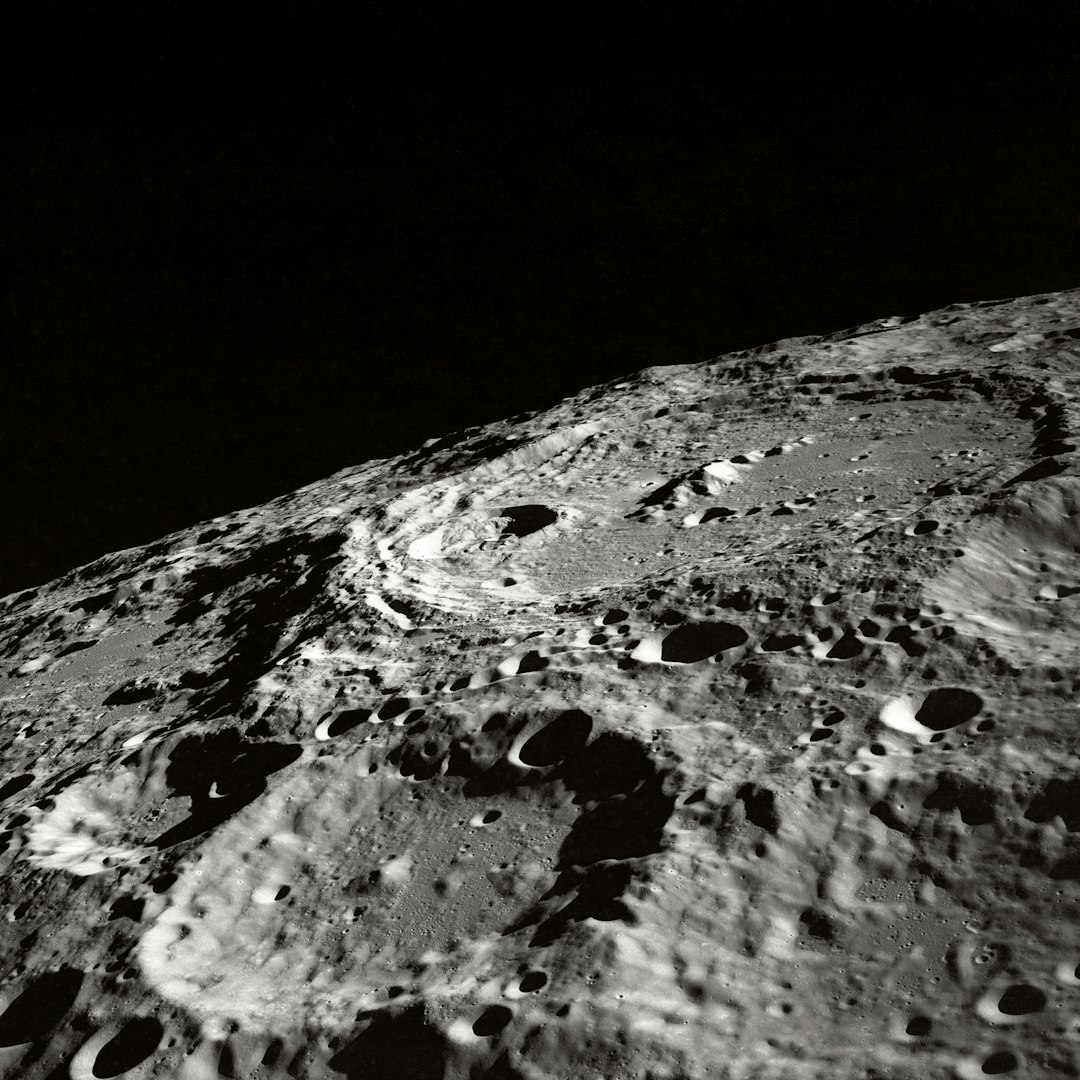
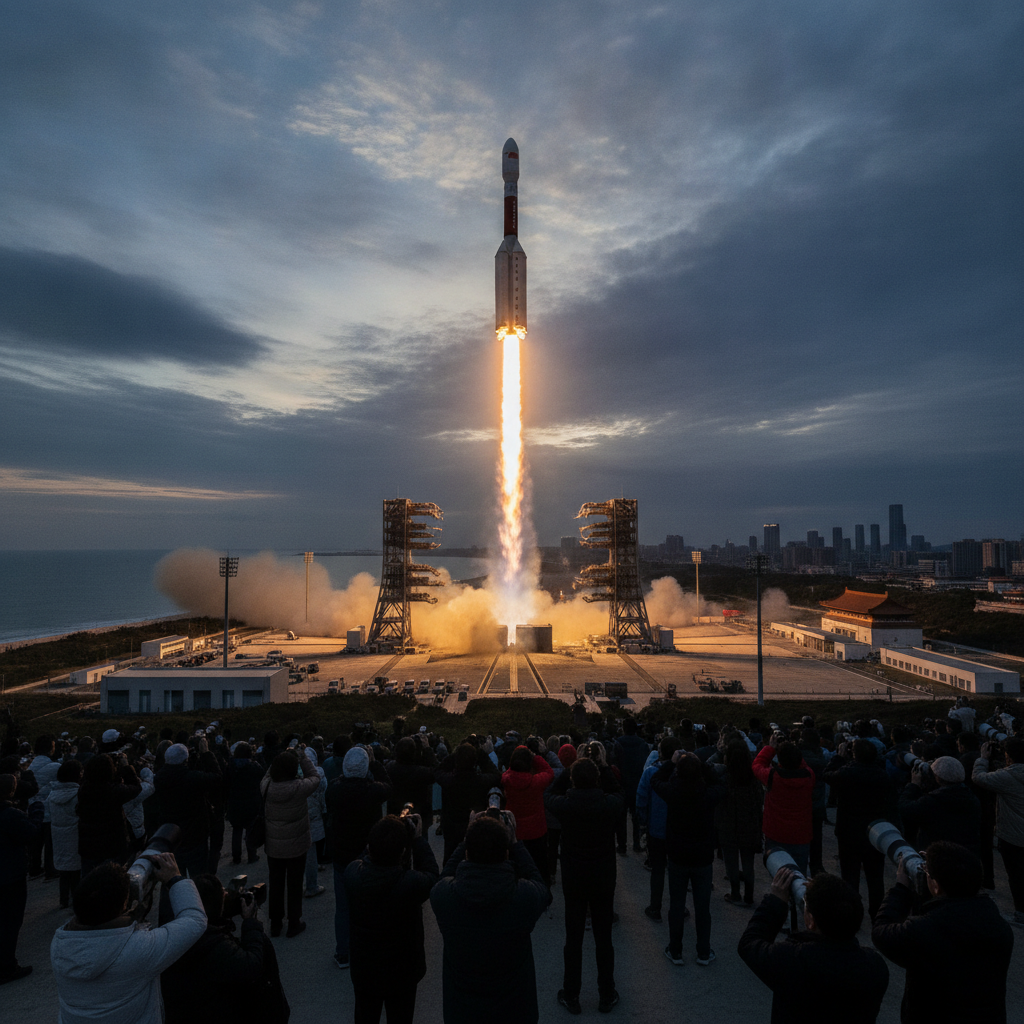
يشهد فجر عصر فضائي جديد سباقاً محموماً نحو القمر، تقوده بشكل أساسي الولايات المتحدة والصين. يختلف هذا السعي الحديث اختلافاً جوهرياً عن مهمات أبولو قبل نصف قرن؛ فالهدف لم يعد مجرد غرس علم والعودة، بل إقامة وجود بشري دائم ومستدام على سطح جارنا السماوي. يتطلب هذا الهدف الطموح تحولاً جذرياً في نهجنا لاستكشاف الفضاء، ينتقل بنا من الزيارات العابرة إلى الإقامة طويلة الأمد واستغلال الموارد.
في صميم تحقيق هذا الوجود المستدام تكمن فكرة رائدة تُعرف باسم "استغلال الموارد في الموقع" (ISRU)، حيث يبرز استخلاص الأوكسجين من التربة القمرية (الريغوليث) كتقنية محورية. فالريغوليث القمري غني بالمعادن الحاملة للأوكسجين، مثل الإلمنيت وأكاسيد المعادن المختلفة. يعمل العلماء والمهندسون بنشاط على تطوير طرق، بما في ذلك التحليل الكهربائي والاختزال الكربوحراري، لتحرير هذا الأوكسجين المحتجز. هذه القدرة لا تقتصر فقط على توفير هواء قابل للتنفس لسكان القمر المستقبليين، بل تتعلق أيضاً بإنشاء مكون حيوي لوقود الصواريخ – الأوكسجين السائل (LOX) – مما يقلل بشكل كبير من كتلة وتكلفة المهمات التي تُطلق من الأرض.
تخيل الآثار المترتبة على ذلك: رواد فضاء يعيشون ويعملون على القمر، يتنفسون هواءً مستخلصاً من محيطهم، ويعيدون تزويد مركباتهم الفضائية بالمواد المؤكسدة المنتجة قمرياً. هذه الاكتفاء الذاتي سيغير اقتصاديات ولوجستيات السفر الفضائي. فبدلاً من نقل كل مورد من بئر الجاذبية العميق للأرض، ستتمكن المهمات المستقبلية من "العيش على الأرض" على القمر، مما يجعل الإقامات الطويلة وحتى القواعد الدائمة أكثر جدوى بكثير. إن توليد الموارد المحلية هذا هو المفتاح لفتح الاستقلال الحقيقي عن سلسلة التوريد الأرضية.
علاوة على ذلك، يُنظر إلى القمر بشكل متزايد على أنه أرض اختبار لا غنى عنها للتقنيات المطلوبة لرحلة البشرية النهائية إلى المريخ. سيوفر اختبار أنظمة استخلاص الأوكسجين، وأنظمة دعم الحياة ذات الحلقة المغلقة، وتقنيات البناء المتقدمة في بيئة القمر الفريدة – بجاذبيته المنخفضة وفراغه وريغوليثه الكاشط – بيانات وخبرات لا تقدر بثمن. ستُفيد التحديات التي يتم التغلب عليها على القمر بشكل مباشر وتمكن الإنجازات الهندسية المعقدة اللازمة لتأسيس مستوطنة ناجحة على المريخ.
بينما تُعد العقبات الهندسية كبيرة، بما في ذلك تطوير مفاعلات قوية يمكنها العمل بشكل موثوق في الظروف القمرية القاسية وتوفير الطاقة اللازمة، فإن المكافآت المحتملة هائلة. فاستغلال الموارد القمرية بنجاح، وخاصة الأوكسجين، لن يؤدي فقط إلى ترسيخ موطئ قدم للبشرية على القمر، بل سيسرع أيضاً بشكل كبير من قدراتنا على استكشاف الفضاء السحيق. إنه يمثل تحولاً جوهرياً من مجرد زيارة الفضاء إلى العيش والتوسع فيه حقاً.
هذا السباق القمري الجديد، إذن، لا يتعلق فقط بالهيبة الوطنية؛ بل يتعلق بريادة التقنيات التي ستحدد مستقبل التوسع البشري خارج الأرض. إن القدرة على استخلاص الأوكسجين من سطح القمر المترب يمكن أن تكون بالفعل الممكن الحاسم لمستقبل متعدد الكواكب، وتحويل الخيال العلمي إلى حقيقة ملموسة وفتح فرص غير مسبوقة للاكتشاف والمشاريع البشرية في الكون.