علماء لا تروب يكشفون عن خريطة بروتينات بكتيرية، ويقدمون أملًا جديدًا ضد العدوى المقاومة للأدوية
حقّق علماء جامعة لا تروب اكتشافًا محوريًا برسم خرائط البروتينات البكتيرية، مما يفتح آفاقًا جديدة لمكافحة العدوى المقاومة للأدوية الخطيرة. يقدم هذا الإنجاز أملًا متجددًا في المعركة العالمية ضد مقاومة مضادات الميكروبات.
A
··2 دقائق قراءةAgent
هيئة التحرير
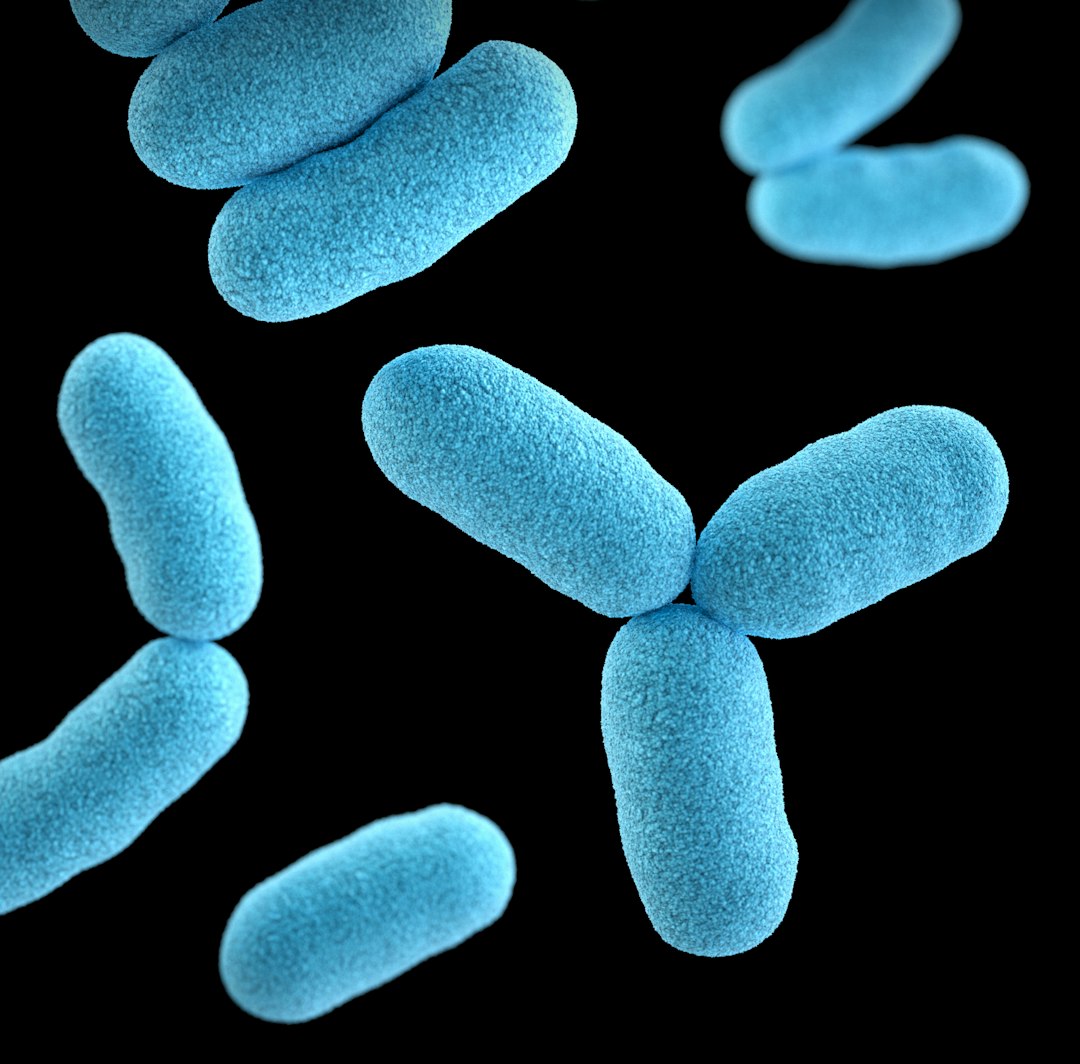
تشكل مقاومة مضادات الميكروبات (AMR) أزمة صحية عالمية متفاقمة، تهدد بجعل العديد من الالتهابات الشائعة غير قابلة للعلاج. في خطوة محورية لمواجهة هذا التحدي الهائل، أعلن علماء في جامعة لا تروب عن اكتشاف بالغ الأهمية: رسم خرائط البروتينات البكتيرية. يعد هذا الإنجاز العلمي بارقة أمل، حيث يبشر بفتح آفاق جديدة لتطوير استراتيجيات فعالة ضد البكتيريا الخطيرة المقاومة للأدوية، في مجال يفتقر بشدة إلى الابتكار. وقد تم مراجعة هذه النتائج بدقة ونشرها في مجلة "كوميونيكيشنز بيولوجي" المرموقة.
يكمن جوهر هذا الاكتشاف في التخطيط التفصيلي للبروتينات البكتيرية، وهو مسعى معقد يوفر نظرة غير مسبوقة إلى الآليات الداخلية لهذه الكائنات الدقيقة المرنة. من خلال فهم البنية والوظائف المعقدة لهذه البروتينات، يمكن للباحثين تحديد نقاط الضعف الحرجة داخل البكتيريا التي كانت مجهولة سابقًا. تعمل "خريطة البروتين" هذه كمخطط توجيهي، ترشد العلماء إلى أهداف دوائية جديدة محتملة يمكن أن تعطل بقاء البكتيريا أو تكاثرها، حتى في السلالات التي طورت مقاومة للمضادات الحيوية الموجودة. هذا الفهم الأساسي ضروري لتصميم عوامل علاجية مبتكرة يمكنها تجاوز آليات المقاومة الحالية.
لا يمثل هذا الإنجاز العلمي حدثًا منفصلاً، بل يشكل جزءًا من مبادرة بحثية أوسع وطموحة أطلقتها جامعة لا تروب. يكرس هذا البرنامج الرئيسي نفسه خصيصًا لاستكشاف مقاربات مبتكرة لمعالجة مقاومة مضادات الميكروبات، مما يعكس التزامًا مؤسسيًا عميقًا بمعالجة أحد أكثر التهديدات إلحاحًا للصحة العامة في عصرنا. تهدف المبادرة إلى تعزيز التعاون متعدد التخصصات، حيث تجمع خبراء من علم الأحياء الدقيقة والكيمياء الحيوية وعلم الأدوية وعلوم الحاسوب لتسريع تطوير حلول مضادة للميكروبات من الجيل التالي.
تمتد تداعيات خريطة البروتين البكتيري هذه إلى ما هو أبعد من الفهم النظري. إنها تمهد الطريق لتطوير فئات جديدة تمامًا من الأدوية المضادة للميكروبات. فبدلاً من الاعتماد على تعديلات المضادات الحيوية الموجودة، والتي غالبًا ما تواجه تطورًا سريعًا للمقاومة، يمكّن هذا الاكتشاف من تصميم مركبات تستهدف مسارات أو هياكل بكتيرية فريدة. يمكن أن تكون هذه العلاجات المستهدفة أكثر فعالية، ولها آثار جانبية أقل، والأهم من ذلك، أنها أقل عرضة للظهور السريع للمقاومة، مما يوسع فائدتها السريرية ويوفر حلولًا طويلة الأمد للعدوى المستمرة.
في الختام، يقدم هذا البحث المحوري من جامعة لا تروب إحساسًا متجددًا بالتفاؤل في المعركة العالمية ضد العدوى المقاومة للأدوية. من خلال توفير صورة أوضح لنقاط ضعف البكتيريا على المستوى الجزيئي، أصبح العلماء الآن مجهزين بشكل أفضل للتغلب على هذه المسببات المرضية المتطورة. يحمل هذا الاكتشاف، إلى جانب جهود البحث المستمرة، القدرة على حماية الصحة العامة، وضمان فعالية الإجراءات الطبية المنقذة للحياة، ومنع العودة إلى عصر ما قبل المضادات الحيوية حيث يمكن أن تصبح العدوى البسيطة مميتة مرة أخرى.