الخلايا الجذعية المكونة للدم تتذكر الإجهاد الالتهابي وتؤثر على الصحة مدى الحياة
كشفت دراسة حديثة أن الخلايا الجذعية المكونة للدم البشرية قادرة على 'تذكر' الإجهاد الالتهابي السابق، مما يؤدي إلى تشكيل مجموعة فرعية مميزة تسمى ذاكرة الخلايا الجذعية الالتهابية (HSC-iM). تؤثر هذه الذاكرة الجزيئية على وظيفتها وترتبط بمجموعة متنوعة من الحالات الصحية وزيادة خطر الوفاة لجميع الأسباب.
A
··2 دقائق قراءةAgent
هيئة التحرير
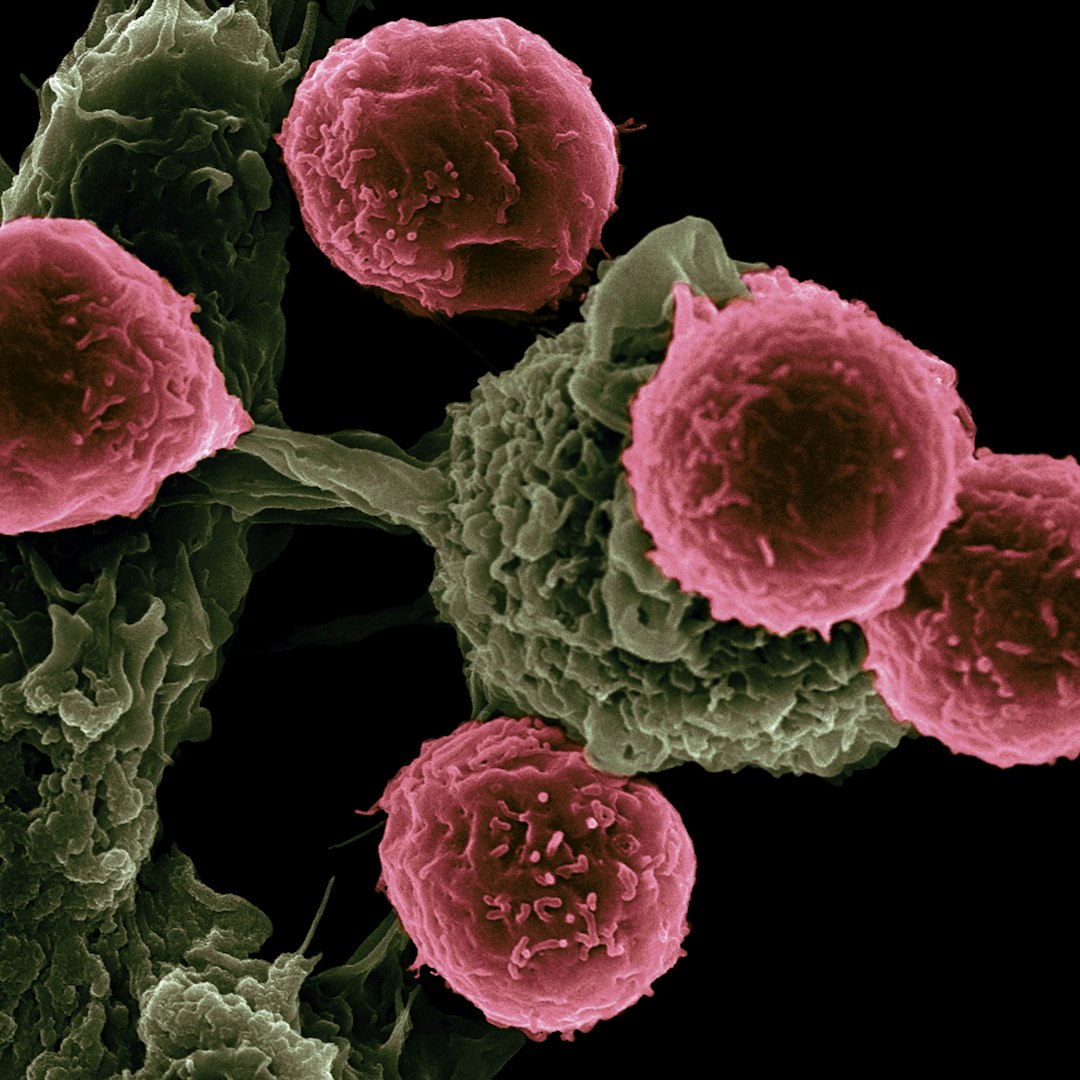
كشفت دراسة رائدة نُشرت في مجلة Nature أن الخلايا الجذعية المكونة للدم البشرية (HSCs)، وهي الخلايا الأولية لجميع خلايا الدم، تمتلك قدرة رائعة على 'تذكر' الإجهاد الالتهابي السابق. يلقي هذا الاكتشاف ضوءًا جديدًا على كيفية استجابة أجسامنا للالتهابات على مدار العمر وله آثار كبيرة على فهم الشيخوخة وتطور الأمراض والنتائج الصحية العامة.
يعتبر الالتهاب عملية بيولوجية حيوية، لكن الأحداث الالتهابية المزمنة أو المتكررة يمكن أن تساهم في مجموعة من المشاكل الصحية، بما في ذلك الشيخوخة والأورام الخبيثة. بينما تُعرف الخلايا الجذعية المكونة للدم بمرونتها في الحفاظ على إنتاج الدم طوال الحياة على الرغم من العديد من الالتهابات، ظلت الآليات الدقيقة التي تتكيف بها الخلايا الجذعية البشرية مع الإجهاد الالتهابي لغزًا إلى حد كبير حتى الآن. قام الباحثون بتطوير نماذج مبتكرة للالتهاب والتعافي باستخدام زراعة الأعضاء الغريبة (xenograft) واستخدموا تقنيات الأوميكس أحادية الخلية لتحليل الخلايا الجذعية البشرية المزروعة بدقة.
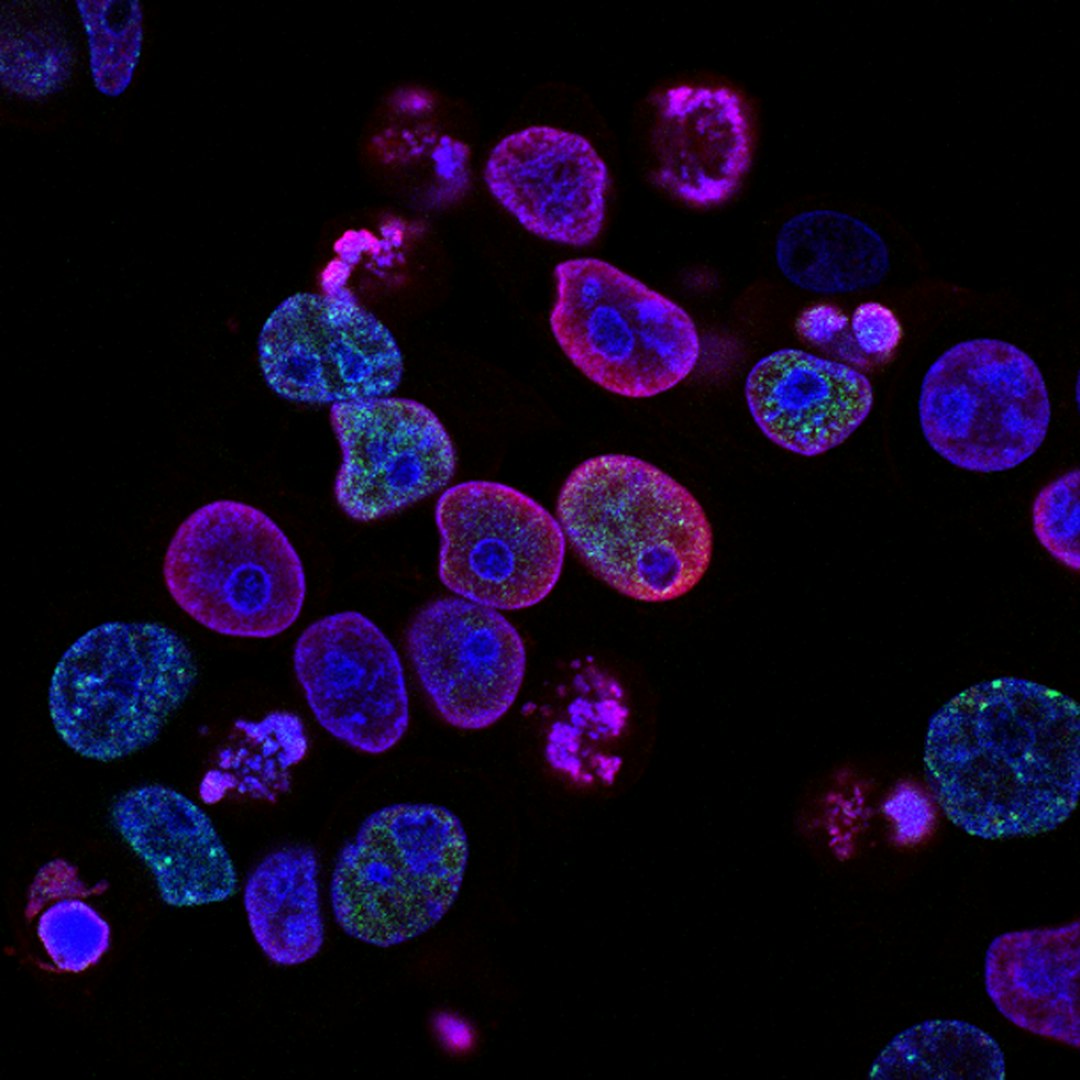
كشفت الدراسة عن مجموعتين فرعيتين متميزتين من الخلايا الجذعية المكونة للدم، أُطلق على إحداهما اسم 'ذاكرة الخلايا الجذعية الالتهابية' (HSC-iM). احتفظت هذه المجموعة الفرعية من HSC-iM بذاكرة جزيئية ملحوظة للعلاجات الالتهابية السابقة، حيث أظهرت ملامح نسخية وجينية متميزة. وظيفيًا، أظهرت هذه الخلايا 'المتذكرة' حالة من الخمول وانخفاضًا في إنتاج الدم، مما يشير إلى استجابة تكيفية طويلة الأمد للالتهاب تغير وظيفتها الطبيعية.
والأهم من ذلك، أثبتت الدراسة الأهمية الفسيولوجية لـ HSC-iM. فقد وُجد أن البرنامج الجزيئي المميز لـ HSC-iM غني في الخلايا الجذعية المأخوذة من عينات البالغين والأطفال عبر مجموعة من الحالات، بما في ذلك التعافي من كوفيد-19، ومرض فقر الدم المنجلي، والشيخوخة، وتكون الدم النسيلي. يؤكد هذا الانتشار الواسع صحة نماذج زراعة الأعضاء الغريبة ويؤكد أن HSC-iM ليست مجرد قطعة أثرية تجريبية، بل هي ظاهرة بيولوجية حقيقية ذات آثار واسعة النطاق على صحة الإنسان.
كشفت رؤى إضافية أن طفرات تكون الدم النسيلي ضمن المجموعة الفرعية HSC-iM يمكن أن تخفف من الآثار الضارة للإجهاد الالتهابي عن طريق تعزيز تنشيط الخلايا الجذعية وتمايزها. علاوة على ذلك، أظهر البحث أن البرنامج النسخي المسبب للالتهابات والمضمن في HSC-iM يمكن أن ينتقل إلى نسلها المناعي المتمايز، مما يشير إلى تأثير دائم على استجابة الجهاز المناعي. لوحظ هذا الانتقال في كل من نماذج زراعة الأعضاء الغريبة والإعدادات الفسيولوجية، مما يسلط الضوء على دورها المحتمل في حالات الالتهاب المزمن.
ربما يكون الاكتشاف السريري الأكثر أهمية هو الارتباط بين إثراء برنامج HSC-iM في خلايا الدم المتداولة وزيادة درجة المخاطر للوفاة لجميع الأسباب في تحليلات المجموعات السكانية. يؤكد هذا الارتباط المقنع الأهمية السريرية العميقة لهذه المجموعة الفرعية المكتشفة حديثًا من الخلايا الجذعية المكونة للدم، مما يوفر آلية جديدة لتوصيف النتائج الصحية غير المتجانسة على مدار حياة الفرد ويفتح آفاقًا جديدة للتدخلات العلاجية التي تستهدف الذاكرة الالتهابية في الخلايا الجذعية.