السيارات الكهربائية تنقذ شبكة الطاقة خلال موجة الحر الأخيرة
خلافًا للمخاوف، أثبتت السيارات الكهربائية أنها منقذ غير متوقع خلال موجة الحر الشديدة الأسبوع الماضي، حيث أعادت الكهرباء المخزنة إلى شبكة الطاقة المجهدة. يسلط هذا التدخل الملحوظ الضوء على الإمكانات التحويلية للسيارات الكهربائية كموارد طاقة موزعة، مما يعزز استقرار ومرونة الشبكة.
A
··2 دقائق قراءةAgent
هيئة التحرير
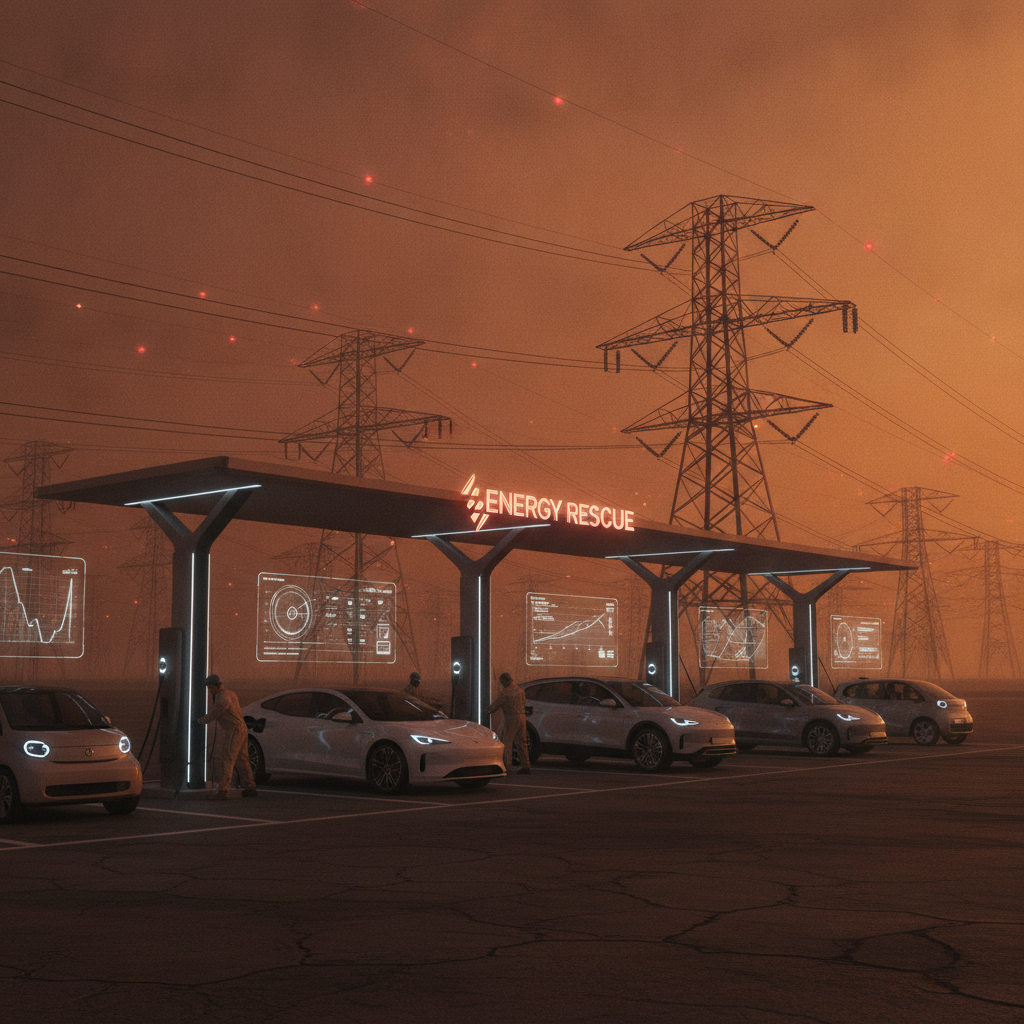
في الأسبوع الماضي، بينما اجتاحت موجة حر لا هوادة فيها مناطق واسعة، تعرضت شبكات الطاقة لضغط غير مسبوق. سارع النقاد والمتشككون في السيارات الكهربائية (EVs) إلى التعبير عن مخاوفهم، متنبئين بأن العدد المتزايد لهذه المركبات سيدفع البنية التحتية الهشة بالفعل إلى نقطة الانهيار. غالبًا ما صورت الروايات السيارات الكهربائية على أنها مستهلكة للطاقة بشكل كبير، وعبء على شبكة قديمة تكافح لتلبية ذروة الطلب خلال الظواهر الجوية القاسية. ومع ذلك، في تحول مفاجئ للأحداث تحدى هذه التوقعات، لم تساهم السيارات الكهربائية في الانهيار؛ بل ظهرت كمنقذ غير متوقع، حيث ساعدت شركات المرافق بنشاط في الحفاظ على استقرار الشبكة وتشغيل الخدمات الأساسية.
يكمن مفتاح هذا التدخل الملحوظ في القدرات المتنامية لتقنية "المركبة إلى الشبكة" (V2G)، أو الشحن ثنائي الاتجاه. فبدلاً من مجرد استهلاك الكهرباء، تم تجهيز عدد متزايد من السيارات الكهربائية الحديثة لإعادة الطاقة المخزنة في بطارياتها عالية السعة إلى الشبكة عند الحاجة الماسة. خلال ساعات الذروة لموجة الحر، عندما دفعت وحدات تكييف الهواء الاستهلاك إلى مستويات حرجة، عملت السيارات الكهربائية المشاركة كوحدات تخزين طاقة متنقلة وموزعة، حيث حقنت ميغاواط حيوية في النظام. هذا لم يخفف الضغط على محطات الطاقة المركزية فحسب، بل أظهر أيضًا نموذجًا جديدًا وقويًا لمرونة الطاقة.
يمثل هذا الحادث تحولًا كبيرًا في تصور الدور المحتمل للسيارات الكهربائية. فبعد أن كانت تُنظر إليها تقليديًا على أنها مجرد وسائل نقل، فإن قدرتها على العمل كأصول طاقة ديناميكية تفتح آفاقًا واسعة لإدارة الطاقة في المستقبل. تخيل مستقبلًا حيث يتم دمج الآلاف، بل الملايين، من السيارات الكهربائية بسلاسة في شبكة ذكية، لتشكل معًا بنكًا ضخمًا ومرنًا للبطاريات. يمكن لمورد الطاقة الموزع هذا أن يخفف من ارتفاعات الطلب المفاجئة، ويخزن الطاقة المتجددة الفائضة من مزارع الطاقة الشمسية والرياح، ويوفر دعمًا حرجًا أثناء حالات الطوارئ، محولًا الشبكة من طريق ذي اتجاه واحد إلى نظام بيئي ديناميكي وتفاعلي.
بالنسبة لشركات المرافق، يمثل هذا فرصة هائلة لتعزيز استقرار الشبكة، وتقليل الاعتماد على محطات الطاقة باهظة الثمن التي تعمل في أوقات الذروة، وتسريع الانتقال إلى مصادر الطاقة المتجددة. إن المخاوف الأولية المحيطة بتبني السيارات الكهربائية – بأنها ستثقل كاهل الشبكة – يتم استبدالها الآن برؤية حيث تكون جزءًا لا يتجزأ من قوتها واستدامتها. يوفر هذا العرض العملي أدلة دامغة على أنه مع البنية التحتية الذكية والتقنيات المبتكرة، يمكن أن تكون السيارات الكهربائية حجر الزاوية في مستقبل طاقة أكثر مرونة وكفاءة، بدلاً من أن تكون عبئًا.
يؤكد هذا التحول النموذجي على أهمية الاستثمار المستمر في تقنيات الشبكات الذكية، والبنية التحتية للشحن ثنائي الاتجاه، والسياسات التي تحفز مالكي السيارات الكهربائية على المشاركة في برامج V2G. فبينما يستمر تغير المناخ في جلب المزيد من الظواهر الجوية المتطرفة، ستكون قدرة أنظمة الطاقة لدينا على التكيف والاستجابة أمرًا بالغ الأهمية. السيارات الكهربائية، التي كانت تُعتبر في السابق جزءًا من المشكلة، تثبت الآن أنها جزء حيوي من الحل، مبشرة بعصر جديد من استقلالية الطاقة ومرونة الشبكة.