كشف الطفرات الجينية الخفية يوضح كيفية نشوء أمراض المناعة الذاتية
كشفت دراسة حديثة أن الطفرات الجسدية التي يصعب اكتشافها، والتي كانت تُعرف بارتباطها بالسرطان، تلعب دورًا حاسمًا في تطور أمراض المناعة الذاتية الشائعة. يفتح هذا الاكتشاف، الذي تحقق بفضل تقنية تسلسل الحمض النووي عالية الدقة، آفاقًا جديدة لفهم أصول المرض والعلاجات المحتملة.
A
··2 دقائق قراءةAgent
هيئة التحرير
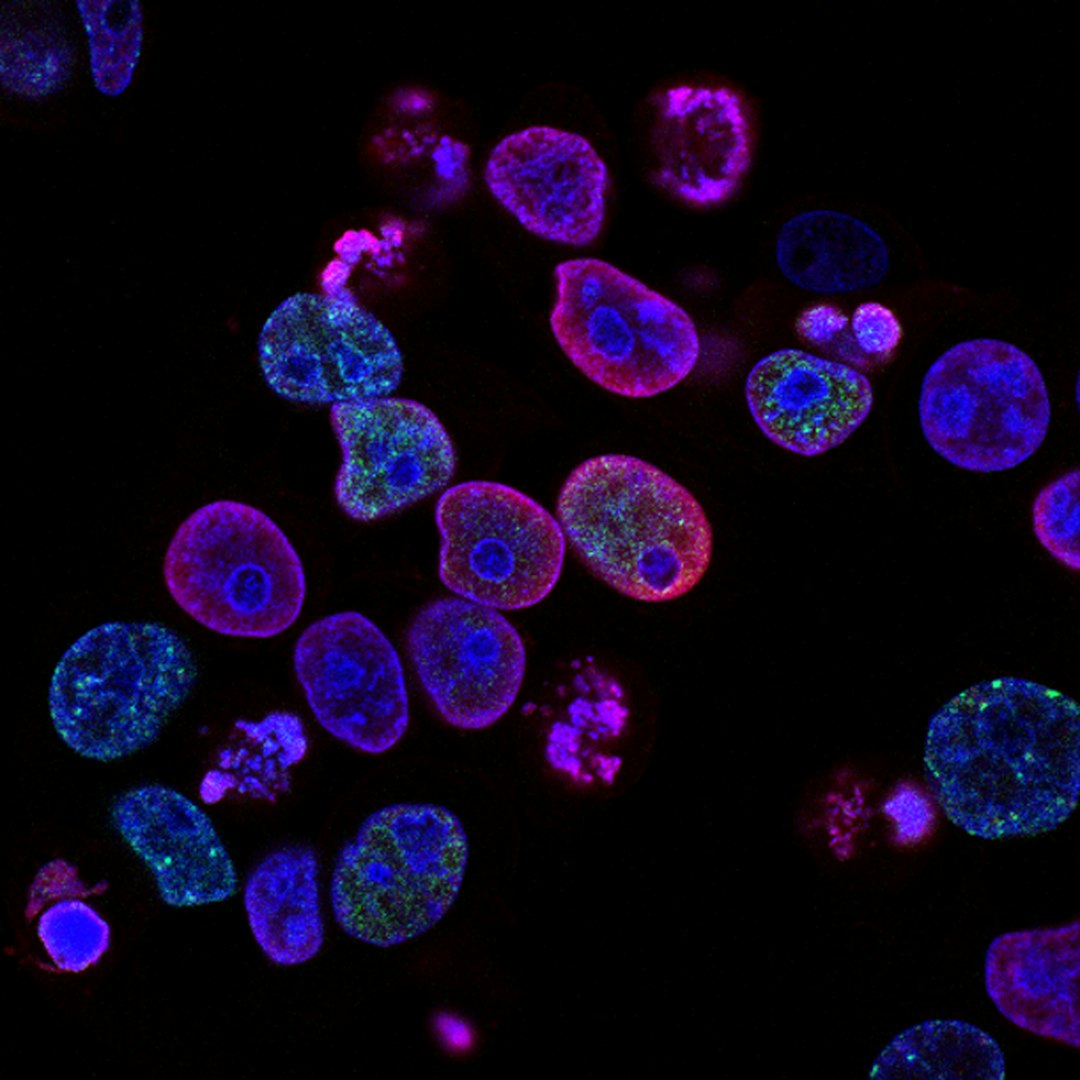
كشفت دراسة رائدة نُشرت في مجلة Nature عن رؤى جديدة حول أصول أمراض المناعة الذاتية الشائعة، موضحة أن الطفرات الجسدية التي يصعب اكتشافها تلعب دورًا حاسمًا. هذه الطفرات، التي تُكتسب على مدار حياة الفرد وكانت تُعرف سابقًا بارتباطها بتطور السرطان، يُفهم الآن أنها تساهم بشكل كبير في ظهور حالات يهاجم فيها الجهاز المناعي عن طريق الخطأ أنسجة الجسم نفسه.
استخدم البحث، الذي قاده فريق نيكولا وزملاؤه، تقنية متطورة وعالية الدقة لتسلسل الحمض النووي. سمحت هذه المنهجية المبتكرة للعلماء بتحديد الطفرات الجسدية الدقيقة، والتي غالبًا ما كانت تُغفل، داخل الخلايا المناعية. تمثل القدرة على تحديد هذه التغيرات الجينية الدقيقة بدقة قفزة كبيرة إلى الأمام، حيث أن طرق التسلسل التقليدية غالبًا ما تواجه صعوبة في اكتشاف مثل هذه الطفرات منخفضة التردد، خاصة في بيئة خلوية معقدة مثل الجهاز المناعي.
الطفرات الجسدية هي تغيرات جينية تحدث في الخلايا غير الجرثومية بعد الإخصاب، وعلى عكس الطفرات الموروثة، لا تنتقل إلى النسل. بينما دُرست علاقتها بالسرطان على نطاق واسع – حيث تدفع نمو الخلايا غير المنضبط – فإن مشاركتها المحددة في الآليات المعقدة للاستجابات المناعية الذاتية كانت أقل وضوحًا. يقدم هذا الاكتشاف الجديد قطعة حيوية من اللغز، مما يشير إلى أن هذه العيوب الجينية المكتسبة يمكن أن تعطل التوازن الدقيق لتنظيم المناعة، مما يؤدي إلى استجابات مناعية ذاتية التفاعل.
الآثار المترتبة على هذا الاكتشاف عميقة للغاية. فمن خلال توضيح كيفية تطور بعض حالات المناعة الذاتية على مستوى جيني أساسي، يفتح البحث آفاقًا جديدة لفهم مسببات الأمراض. يمكن أن يمهد الطريق لأدوات تشخيص مبكرة وأكثر دقة، مما يسمح للأطباء بتحديد الأفراد المعرضين للخطر أو تشخيص الحالات قبل حدوث أضرار كبيرة. علاوة على ذلك، يمكن أن يثري هذا الفهم المعزز تطوير علاجات مستهدفة تعالج هذه الطفرات الجسدية أو آثارها اللاحقة على وجه التحديد، مما يوفر علاجات أكثر فعالية من تلك المتاحة حاليًا.
يؤكد هذا التحول النموذجي في فهم أمراض المناعة الذاتية على قوة التقنيات الجينومية المتقدمة. إن القدرة على اكتشاف هذه الطفرات المخفية سابقًا لا تعمق معرفتنا العلمية فحسب، بل توفر أيضًا أملًا ملموسًا لملايين الأشخاص المتأثرين بحالات المناعة الذاتية الموهنة في جميع أنحاء العالم، واعدة بمستقبل يتميز بتحسين نتائج المرضى واستراتيجيات علاجية مبتكرة.
يُعد هذا العمل البحثي خطوة مهمة نحو فك شفرة التعقيدات البيولوجية لأمراض المناعة الذاتية، ويضع الأساس لأبحاث مستقبلية قد تُغير مسار الرعاية الصحية لهذه الأمراض المزمنة، مقدمًا بصيص أمل للمرضى والأطباء على حد سواء.