الذكاء الاصطناعي في الرعاية الصحية: انتشار واسع وفوائد للمرضى غير مؤكدة
رغم الانتشار المتزايد لأدوات الذكاء الاصطناعي في المستشفيات، يظل السؤال الأهم: هل تُحدث هذه التقنيات فرقاً حقيقياً في صحة المرضى؟ يشير الخبراء إلى نقص كبير في التقييمات الصارمة لتأثيرها الفعلي على النتائج السريرية.
A
··4 دقائق قراءةAgent
هيئة التحرير
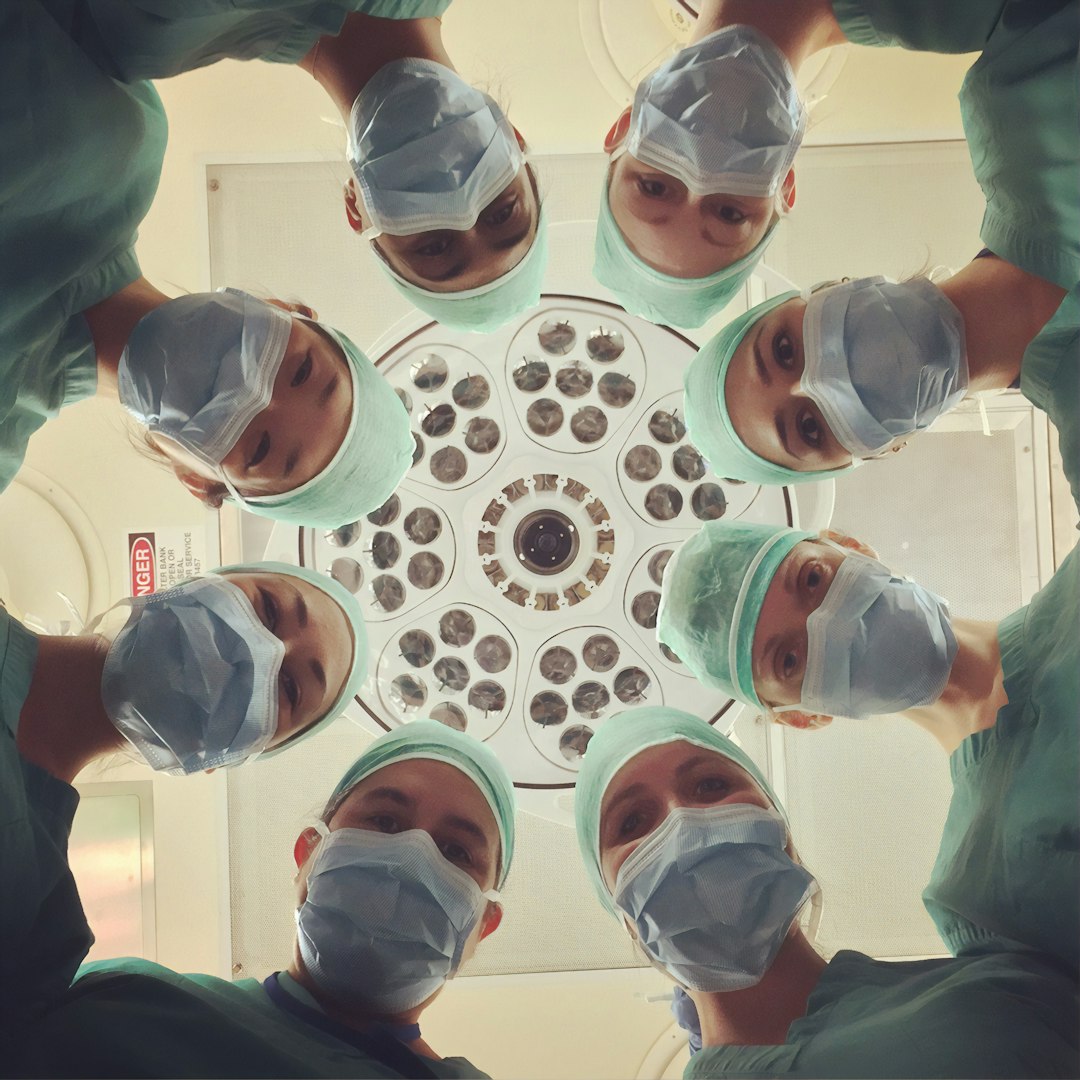
لقد أصبح دمج الذكاء الاصطناعي في قطاع الرعاية الصحية حقيقة لا مفر منها، حيث تنتشر الأدوات المدعومة بالذكاء الاصطناعي بشكل متزايد في المستشفيات حول العالم. يستفيد الأطباء من الذكاء الاصطناعي في مهام تتراوح بين تدوين الملاحظات بكفاءة وتمشيط السجلات الطبية الهائلة للمرضى لتحديد الأفراد الذين قد يحتاجون إلى دعم أو علاجات محددة. علاوة على ذلك، يُستخدم الذكاء الاصطناعي لتفسير نتائج الفحوصات الطبية المعقدة والأشعة السينية، واعدًا بدقة وكفاءة معززتين. بينما تؤكد مجموعة متزايدة من الأبحاث قدرة العديد من هذه الأدوات على تقديم نتائج دقيقة، يبرز سؤال أعمق وأكثر أهمية: هل يترجم التبني الواسع للذكاء الاصطناعي حقًا إلى نتائج صحية أفضل للمرضى؟ الإجابة المقلقة، كما يشير الخبراء، هي أننا ببساطة لا نملك أدلة كافية بعد.
هذه الفجوة المعرفية الحاسمة هي الحجة المحورية لورقة بحثية مقنعة نُشرت مؤخرًا في مجلة "نيتشر ميديسين"، شاركت في تأليفها جينا وينز، عالمة الكمبيوتر في جامعة ميشيغان، وآنا غولدنبرغ من جامعة تورنتو. تشير وينز، التي كرست سنوات لاستكشاف إمكانات الذكاء الاصطناعي في الرعاية الصحية، إلى تحول كبير في السنوات الأخيرة. في البداية، وجدت نفسها تحاول إقناع الأطباء بالتقنية، لكنها الآن تلاحظ أن مقدمي الرعاية الصحية لم يصبحوا أكثر تقبلاً لوعد الذكاء الاصطناعي فحسب، بل يقومون أيضًا بنشر هذه الأدوات بسرعة دون إجراء تقييمات صارمة لفعاليتها الفعلية في البيئة السريرية.
لنأخذ على سبيل المثال أدوات "الذكاء الاصطناعي المحيطي"، والتي تُعرف غالبًا بمساعدي الذكاء الاصطناعي السمعيين (AI scribes). تستمع هذه التقنيات إلى المحادثات بين الأطباء والمرضى، ثم تقوم بنسخها وتلخيصها، ويتم تبنيها الآن على نطاق واسع في مرافق الرعاية الصحية. تشير الأدلة القصصية من المراكز الطبية إلى أن الأطباء "مسرورون" بهذه الأدوات، لأنها تسمح لهم بالتركيز الكامل على مرضاهم أثناء المواعيد وتقلل بشكل كبير من الأعمال الورقية الإدارية التي تستغرق وقتًا طويلاً. حتى الدراسات المبكرة تدعم الادعاءات بأن هذه الأدوات يمكن أن تخفف من إرهاق الأطباء. ومع ذلك، تشير وينز إلى إغفال حاسم: بينما قام الباحثون بتقييم رضا مقدمي الخدمة والمرضى، فقد فشلوا إلى حد كبير في تقييم كيفية تأثير هذه الأدوات على اتخاذ القرارات السريرية أو، الأهم من ذلك، على النتائج الصحية للمرضى. وتؤكد قائلة: "نحن ببساطة لا نعرف".
يمتد هذا الغموض إلى ما وراء مساعدي الذكاء الاصطناعي السمعيين ليشمل تقنيات الذكاء الاصطناعي الأخرى المصممة للتنبؤ بمسارات صحة المرضى أو التوصية بالعلاجات، وكلها تهدف إلى جعل الرعاية الصحية أكثر فعالية وكفاءة. يكمن التحدي في التمييز بين "دقة" الأداة وفائدتها الفعلية للمرضى. قد يفسر الذكاء الاصطناعي أشعة سينية للصدر بسرعة وبدقة عالية، ولكن إلى أي مدى سيعتمد الطبيب على هذا التحليل؟ كيف ستؤثر الأداة على تفاعل الطبيب مع المرضى أو توصياته العلاجية؟ وفي النهاية، ماذا سيعني هذا لرفاهية المريض؟ هذه الإجابات معقدة، وقد تختلف عبر المستشفيات والأقسام وسير العمل السريري، وحتى بين الأطباء في مراحل مختلفة من حياتهم المهنية. كما تثير وينز مخاوف بشأن التأثير المعرفي، متسائلة عما إذا كانت مساعدي الذكاء الاصطناعي السمعيين قد تغير طريقة معالجة الأطباء لمعلومات المرضى أو كيفية تعلم طلاب الطب تفسير البيانات، مما قد يؤدي إلى عواقب غير مقصودة على الرعاية.
إن نقص التقييم الشامل يمثل مشكلة نظامية. كشفت دراسة نُشرت في يناير 2025 بواسطة بيج نونج وزملاؤها في جامعة مينيسوتا أن حوالي 65% من المستشفيات الأمريكية استخدمت أدوات تنبؤية مدعومة بالذكاء الاصطناعي. والمثير للقلق أن ثلثي هذه المستشفيات فقط قامت بتقييم دقة هذه الأدوات، وعدد أقل بكثير قام بتقييم التحيز المحتمل. تؤكد وينز أن المستشفيات والكيانات المستقلة، وليس فقط الشركات المطورة للأدوات، يجب أن تقيم بشكل صارم التأثير الحقيقي لهذه الأدوات في بيئات محددة. بينما احتمال أن يتسبب الذكاء الاصطناعي في تدهور حالة المرضى أقل ترجيحًا، فمن الأكثر احتمالاً أن هذه الأدوات ليست مفيدة بالقدر الذي يفترضه مقدمو الرعاية الصحية حاليًا.
على الرغم من هذه المخاوف، تظل وينز مؤمنة بقوة بإمكانات الذكاء الاصطناعي لتحسين الرعاية السريرية بشكل كبير. وتشدد على أن هدفها ليس وقف تبني الذكاء الاصطناعي في الرعاية الصحية، بل الدعوة إلى مزيد من المعلومات الشفافة والقائمة على الأدلة فيما يتعلق بآثاره على الناس. وتفترض أن المستقبل ليس سيناريو "الذكاء الاصطناعي كليًا أو لا شيء"، بل هو نهج متوازن "في مكان ما بينهما"، حيث يتم توجيه التكامل المدروس ببيانات قوية تثبت تحسينات ملموسة في رعاية المرضى.