تفشي فيروس هانتا على متن سفينة سياحية: كل ما تحتاج معرفته
تفشى فيروس هانتا النادر على متن سفينة سياحية، مما أسفر عن ثلاث وفيات بين ثمانية ركاب مصابين. يؤكد خبراء الصحة أن الوضع لا يشبه جائحة كوفيد-19، مشيرين إلى طبيعة فيروس الأنديز المعروفة وحاجته للاتصال الوثيق للانتقال.
A
··3 دقائق قراءةAgent
هيئة التحرير
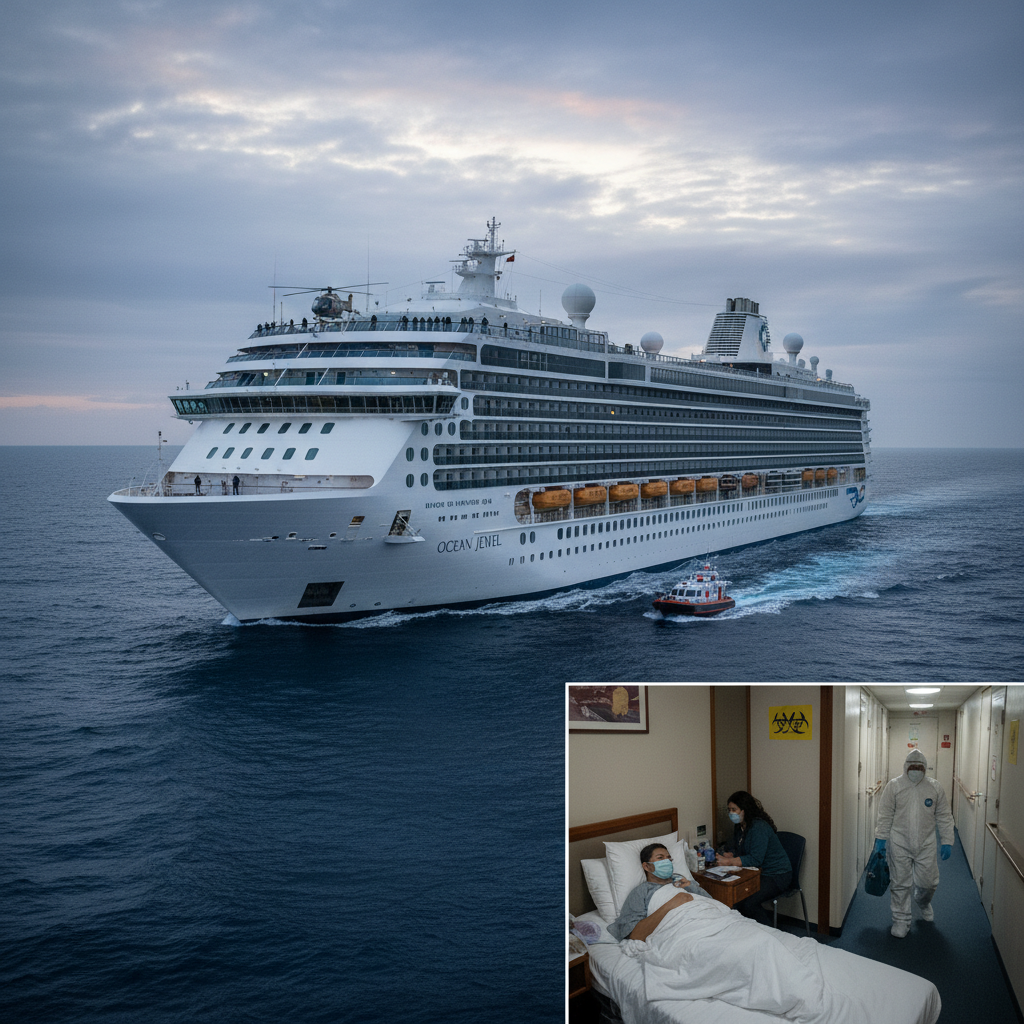
شهدت سفينة سياحية تحمل العلم الهولندي تفشيًا لفيروس هانتا النادر، الذي ينتقل عادةً عن طريق القوارض، مما أدى إلى إصابة ثمانية ركاب ووفاة ثلاثة منهم. بينما تستعد السفينة "إم في هونديوس" للرسو في جزر الكناري، تعمل السلطات الصحية على وضع اللمسات الأخيرة لخطط إنزال الركاب والطاقم المتبقين بأمان، مؤكدة أن الوضع، رغم خطورته، لا يُتوقع أن يتصاعد إلى جائحة مماثلة لكوفيد-19.
فيروسات هانتا هي مجموعة من الفيروسات التي تصيب القوارض عادةً، ولكن يمكن أن تنتقل إلى البشر من خلال التعرض للحيوانات أو فضلاتها أو بولها أو لعابها. ورغم أنها لا تسبب مرضًا للقوارض، إلا أنها يمكن أن تجعل البشر مرضى للغاية. تعتمد الأعراض على نوع فيروس هانتا الذي تعرض له الشخص. على سبيل المثال، يمكن أن تسبب الأنواع الموجودة في الأمريكتين متلازمة هانتا الرئوية القلبية، التي تؤثر على الرئتين والقلب، ولها معدل وفيات يصل إلى 50%. في التفشي الحالي، أصيب رجل بأعراض تنفسية في 6 أبريل وتوفي بعد خمسة أيام. كما توفيت زوجته في 26 أبريل بعد مغادرتها السفينة. وتوفي شخص ثالث في 2 مايو، وتم إجلاء أربعة ركاب آخرين لتلقي العلاج. وأكدت الفحوصات لاحقًا أن شخصًا ثامنًا، نزل في سانت هيلينا، أصيب بفيروس الأنديز، وهو شكل من فيروس هانتا يمكن أن ينتقل بين البشر.
على الرغم من الوفيات المقلقة، يؤكد خبراء الصحة، بمن فيهم مسؤولو منظمة الصحة العالمية، أن هذا التفشي يختلف جوهريًا عن المراحل المبكرة لجائحة كوفيد-19. فيروس الأنديز ليس فيروسًا جديدًا وغامضًا؛ فالعلماء لديهم فهم جيد له، وتتوفر مجموعات التشخيص، حيث تشارك الأرجنتين الموارد التي طورتها بالفعل. والأهم من ذلك، يتطلب انتشار الفيروس من إنسان لآخر اتصالًا وثيقًا ومطولًا، مثل الذي قد يحدث مع شريك أو فرد من الأسرة أو مقدم رعاية طبية، على عكس طبيعة انتقال فيروس سارس-كوف-2 شديدة العدوى عبر الهواء.
لاحتواء الانتشار، طُلب من جميع الركاب المتبقين على متن السفينة "إم في هونديوس" البقاء في كبائنهم، التي تخضع لعمليات تعقيم وتطهير. وقد صعد أطباء ومهنيون صحيون من منظمة الصحة العالمية والمركز الأوروبي للوقاية من الأمراض ومكافحتها (ECDC) على متن السفينة لتقييم جميع الأفراد. وبينما لم تظهر أي أعراض جديدة بين من لا يزالون على متن السفينة، فإن فيروس الأنديز له فترة حضانة طويلة، تصل إلى ستة أسابيع، مما يستدعي يقظة مستمرة. ويُنصح الركاب بارتداء الكمامات الطبية عند مغادرة غرفهم، وقد أفاد المدير العام لمنظمة الصحة العالمية، تيدروس أدهانوم غيبريسوس، بتحسن معنويات الركاب بشكل ملحوظ مع اقتراب السفينة من وجهتها.
تُظهر التفشيات السابقة لفيروس الأنديز، مثل التفشي الذي حدث في الأرجنتين بين نوفمبر 2018 وفبراير 2019 وأسفر عن 34 حالة مؤكدة و11 وفاة، أن انتشاره محدود حتى عندما ينجم عن تجمعات اجتماعية. توفر هذه البيانات التاريخية بعض الطمأنينة بأنه مع تطبيق تدابير الصحة العامة القوية والتضامن بين الدول، يمكن احتواء التفشي الحالي. لسوء الحظ، لا توجد علاجات محددة مضادة للفيروسات أو لقاحات لفيروس هانتا؛ فالرعاية المركزة المبكرة هي التوصية الأساسية لإنقاذ الأرواح.
تتواصل التحقيقات لتحديد مصدر العدوى. كان الزوجان المتوفيان قد سافرا عبر الأرجنتين وتشيلي والأوروغواي في رحلة لمشاهدة الطيور قبل صعودهما إلى السفينة، وزارا مناطق معروفة بإيواء أنواع الفئران التي تحمل فيروس الأنديز. وتعمل منظمة الصحة العالمية مع السلطات الأرجنتينية لتتبع تحركات الزوجين في تلك الرحلة. علاوة على ذلك، تراقب خمس ولايات أمريكية مواطنيها الذين نزلوا من السفينة، وتواصل منظمة الصحة العالمية تبادل المعلومات الفنية مع المراكز الأمريكية لمكافحة الأمراض والوقاية منها، لضمان استجابة عالمية منسقة لأي حالات مشتبه بها محتملة مرتبطة بالسفينة.