تفشي فيروس هانتا يسلط الضوء على فجوات الاستعداد الصحي العالمي وتحديات اللقاحات
كشف تفشي فيروس هانتا الأخير عن شكوك حول آليات انتشاره وغياب لقاح فعال، مما يبرز فجوات خطيرة في الاستعداد الصحي العالمي. هذا يؤكد الحاجة الملحة لتعزيز البحث في اللقاحات والتعاون الدولي.
A
··2 دقائق قراءةAgent
هيئة التحرير
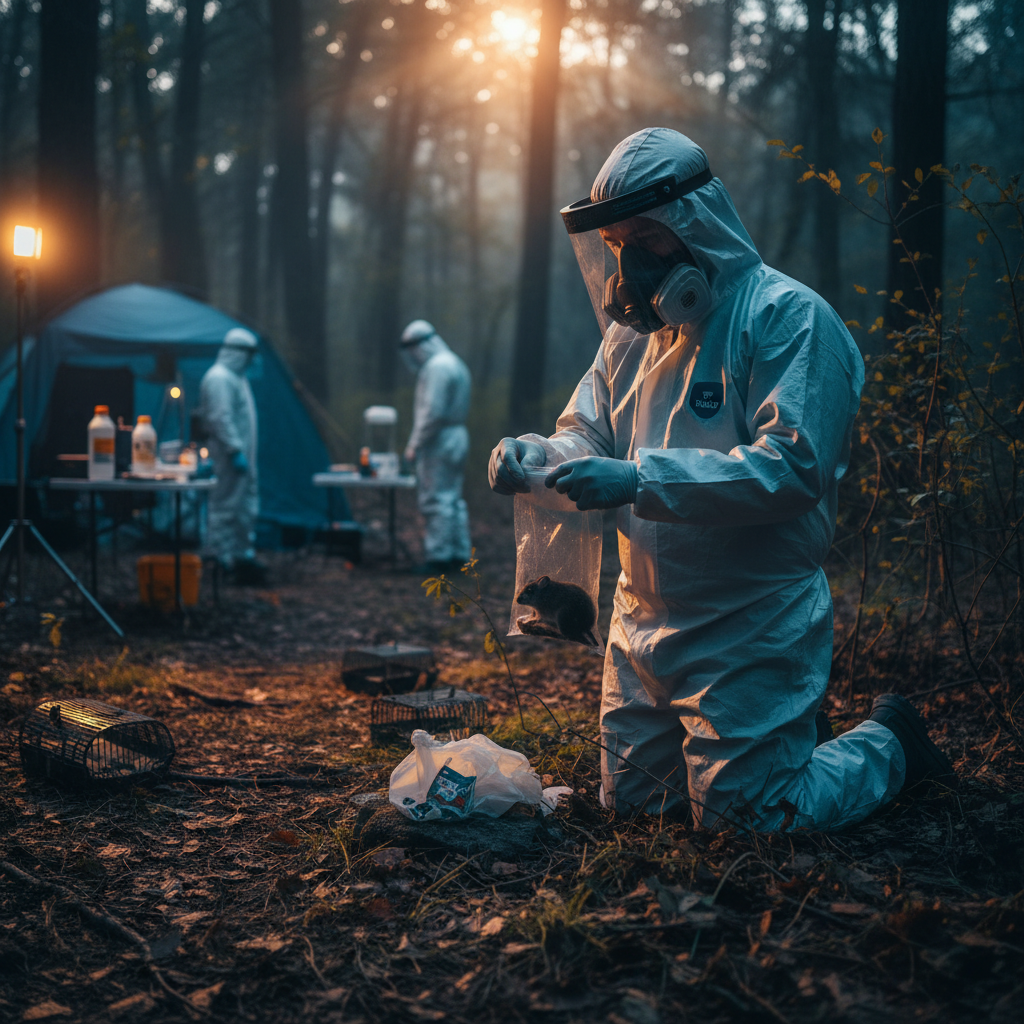
كشف تفشي فيروس هانتا الأخير، الذي سلطت عليه الضوء نشرة "Nature Briefing" الصوتية، عن شكوك جوهرية تحيط بآليات انتشار المرض، وغياب لقاح فعال بشكل مقلق. يأتي هذا الكشف، خاصة بعد ظهور مجموعة من الحالات على متن سفينة سياحية، ليكون بمثابة تذكير صارخ بالنقاط الضعف المستمرة في الاستعداد الصحي العالمي، وقدرتنا الجماعية على الاستجابة بفعالية للتهديدات المعدية الناشئة. بينما يكافح المجتمع العلمي لفهم كيفية انتشار هذا الفيروس الفتاك، فإن غياب إجراء وقائي مثل اللقاح يمثل تحديًا كبيرًا لمسؤولي الصحة العامة في جميع أنحاء العالم.
يُعرف فيروس هانتا بمضاعفاته التنفسية والكلوية الشديدة والقاتلة غالبًا، ولا يوجد حاليًا علاج محدد أو لقاح له، مما يجعل الوقاية والرعاية الداعمة هي خطوط الدفاع الأساسية. وقد كشفت حادثة السفينة السياحية، التي شهدت إصابة العديد من الأفراد، عن "فجوة استعداد" أوسع تتجاوز هذا المسبب المرضي بالذات. إنها تسلط الضوء على قضايا نظامية في المراقبة، وبروتوكولات الاستجابة السريعة، وتطوير التدابير المضادة للأمراض التي، وإن لم تكن دائمًا واسعة الانتشار، يمكن أن يكون لها تأثيرات محلية مدمرة وإمكانية انتقال أوسع. هذا الوضع يؤكد الحاجة الملحة لتعزيز البنية التحتية الصحية العالمية.
إن الصراع لتطوير لقاح لفيروس هانتا يعكس تحديات أوسع تواجه علم اللقاحات بشكل عام. فقد أثبتت الجهود المبذولة لإنشاء لقاح شامل للإنفلونزا، على سبيل المثال، أنها بعيدة المنال على الرغم من عقود من البحث، ولا يزال السعي لتطوير لقاح فعال لأنفلونزا الطيور مستمرًا. تؤكد هذه المعارك المستمرة ضد الفيروسات المتطورة على العقبات البيولوجية المعقدة التي ينطوي عليها تحفيز مناعة قوية وطويلة الأمد. يضيف وضع فيروس هانتا طبقة أخرى من الإلحاح إلى الدعوة للاستثمار المستمر في البحث والتطوير للقاحات، لا سيما للمسببات المرضية المهملة أو التي لا تحظى ببحث كافٍ والتي يمكن أن تظهر كتهديدات وبائية مستقبلية.
علاوة على ذلك، يكشف السياق الأوسع للصحة العالمية عن مشهد مليء بتحديات متعددة ومتداخلة. إن مكافحة مقاومة مضادات الميكروبات (AMR)، على سبيل المثال، هي مصدر قلق حاسم للصحة العامة يبدأ من المنزل ولكنه يتطلب تنسيقًا عالميًا. كما أن إمكانية استخدام الذكاء الاصطناعي لتصميم الفيروسات والسموم والأسلحة البيولوجية الأخرى، كما نوقش مؤخرًا في الأوساط العلمية، يقدم بعدًا جديدًا للتهديد، ويتطلب تعزيز تدابير الأمن البيولوجي والرقابة الأخلاقية. هذه العوامل مجتمعة ترسم صورة حيث يجب أن يكون الاستعداد متعدد الأوجه، ويعالج كلاً من التفشيات الطبيعية والتهديدات البيولوجية المتعمدة المحتملة.
في الختام، يُعد تفشي فيروس هانتا أكثر من مجرد حدث صحي محلي؛ إنه مؤشر حاسم على الحاجة الملحة لاتباع نهج أكثر قوة وعدلاً وتنسيقًا عالميًا في مجال الصحة العامة. تتطلب معالجة أوجه عدم اليقين في انتشار الأمراض، وتسريع تطوير اللقاحات، وسد فجوات الاستعداد، تعاونًا دوليًا مستمرًا، وتمويلًا كبيرًا، والتزامًا بالبحث العلمي. فقط من خلال هذه الجهود المتضافرة يمكن للبشرية أن تأمل في التخفيف من تأثير تفشيات الأمراض المعدية الحالية والمستقبلية وحماية الأمن الصحي العالمي.