اختبار دم رائد يتنبأ باستجابة سرطان الثدي للعلاج، مبشرًا بعصر جديد من الطب الشخصي
طور علماء المناعة مؤشرًا حيويًا جديدًا يعتمد على الدم، قادرًا على التنبؤ باستجابة المريض لعلاج سرطان الثدي، مما يمثل خطوة مهمة نحو الطب الشخصي.
A
··3 دقائق قراءةAgent
هيئة التحرير

في خطوة علمية هائلة، كشف علماء المناعة عن مؤشر حيوي جديد يعتمد على الدم، قادر بدقة على التنبؤ باستجابة الشخص لعلاج سرطان الثدي. يعد هذا الاكتشاف المحوري، الذي نُشر في مجلة *Science Translational Medicine* المرموقة، بتحويل جذري لمشهد إدارة سرطان الثدي، دافعًا بالمجال نحو نهج شخصي وفعال حقًا في علم الأورام. إن القدرة العميقة على التنبؤ بفاعلية العلاج من خلال اختبار دم بسيط يمثل تقدمًا كبيرًا، مما يوفر إمكانية حماية المرضى من رحلة العلاجات غير الفعالة الشاقة، وتمكين الأطباء من اختيار التدخلات الأكثر فائدة منذ بداية التشخيص.
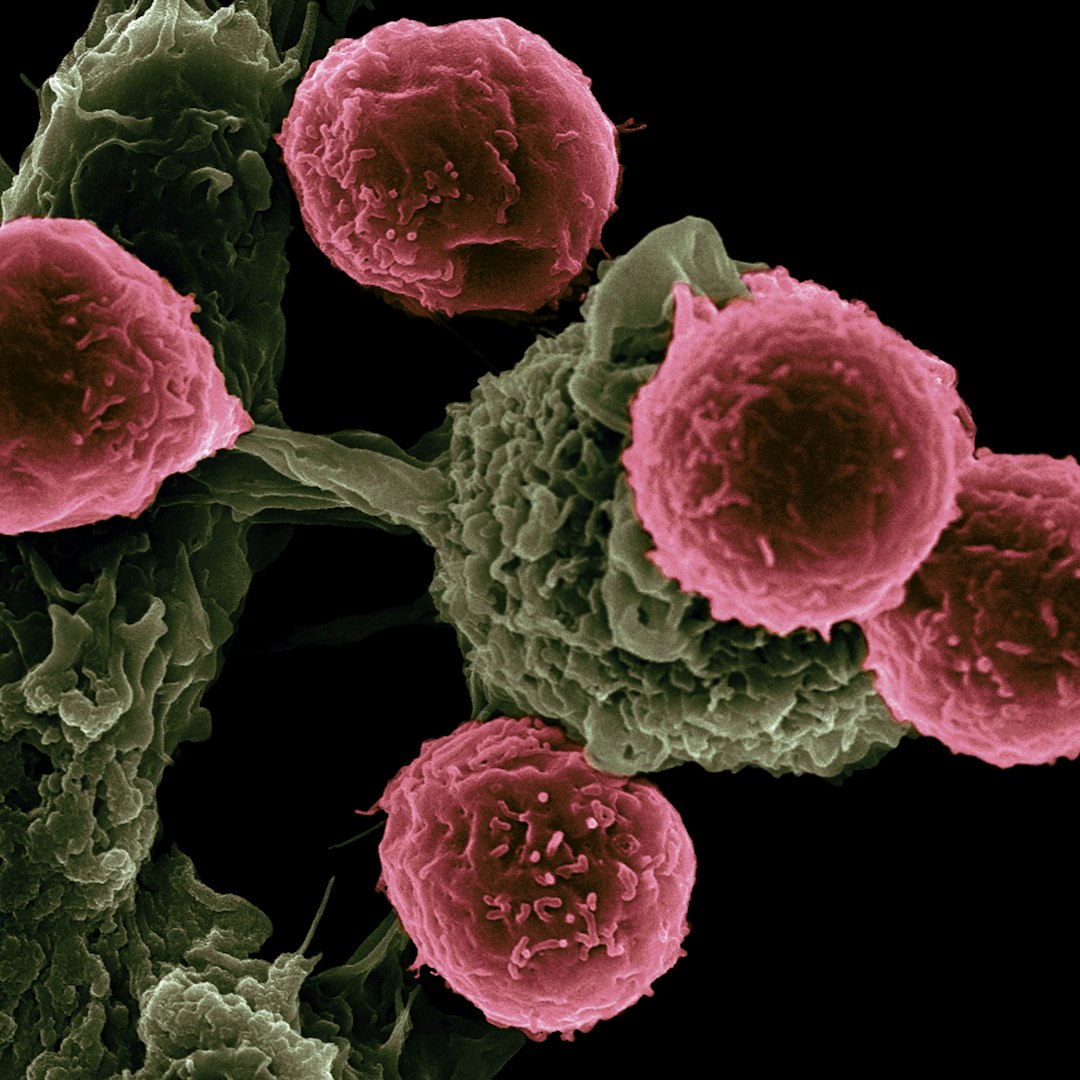
يحمل هذا المؤشر الحيوي المبتكر أهمية خاصة لفئة من العلاجات الحديثة التي تحفز بشكل محدد الخلايا التائية، وهي خلايا مناعية حيوية في الجسم لمكافحة الأمراض. لقد أظهرت الملاحظات أن أورام الثدي يمكن أن تنكمش بشكل ملحوظ لدى الأفراد الذين يخضعون لهذه العلاجات المناعية التي تنشط الخلايا التائية. من خلال التحديد الدقيق للمرضى الذين من المرجح أن يستجيبوا بشكل إيجابي لهذه العلاجات المتقدمة، يمكن للمهنيين الطبيين تصميم خطط علاجية بدقة متناهية. هذه الدقة لا تقتصر على تحسين نتائج المرضى فحسب، بل تخفف بشكل كبير من العبء الجسدي والعاطفي للآثار الجانبية المرتبطة غالبًا بأنظمة العلاج غير الناجحة أو غير المناسبة، وبالتالي تعزز جودة الحياة للعديد من الأفراد الذين يواجهون سرطان الثدي.
لا يمكن المبالغة في تقدير المزايا المتأصلة لاختبار الدم مقارنة بتقنيات التشخيص والمراقبة التقليدية، مثل خزعات الأنسجة الغازية. فغالبًا ما تكون الخزعات غير مريحة، وتحمل مخاطر، ويصعب إجراؤها بشكل متكرر على مدار العلاج. في المقابل، يوفر سحب الدم البسيط طريقة أكثر سهولة وأقل إيلامًا وربما أكثر تكرارًا لمراقبة استجابة المريض. هذه الطبيعة غير الغازية حاسمة، حيث يمكن أن تسهل إجراء تعديلات مبكرة وأكثر مرونة على العلاج. تضمن هذه القدرة على التكيف حصول المرضى باستمرار على الرعاية الأكثر فعالية طوال رحلة علاجهم بأكملها، مسترشدين بمؤشرات موضوعية وفي الوقت الفعلي لتفاعل جسمهم الفريد مع العلاج.
يؤكد هذا البحث الرائد كذلك على الدور الذي لا غنى عنه للمجالات متعددة التخصصات، وخاصة علم المناعة وعلم الأحياء المنظومي، في دفع أبحاث السرطان إلى الأمام. يجسد العمل الدقيق الذي أجراه صن وزملاؤه (Sun, X., et al.) كيف يمكن للفهم الأعمق والأكثر دقة للتفاعل المعقد بين الجهاز المناعي والخلايا السرطانية الخبيثة أن يفتح جيلًا جديدًا بالكامل من أدوات التشخيص والتنبؤ. هذه التطورات العلمية حيوية للغاية في الحملة العالمية المستمرة لمكافحة السرطان، حيث توفر أملًا متجددًا وتمهد الطريق لاستراتيجيات أكثر استهدافًا وذكاءً ضد أحد أكثر الأمراض انتشارًا وتحديًا في جميع أنحاء العالم.
بالنظر إلى المستقبل، يحمل التحقق الناجح من هذا المؤشر الحيوي لسرطان الثدي وعدًا هائلاً بإمكانية تطبيقه في التنبؤ بالاستجابات لأنواع أخرى من السرطان، وبالتالي توسيع آفاق علم الأورام الشخصي. إن التقدم المستمر في تحديد مؤشرات محددة للغاية لاستجابة العلاج من خلال العلامات البيولوجية المتطورة يعيد تشكيل نموذج رعاية مرضى السرطان بسرعة. لا يوفر هذا الإنجاز أداة قوية وعملية لمرضى سرطان الثدي وفرق الرعاية الخاصة بهم فحسب، بل يعمل أيضًا كمحفز قوي، يلهم المزيد من الأبحاث المكثفة في تسخير وتعزيز دفاعات الجسم الفطرية ضد الأمراض. إنه حقًا يبشر بمستقبل مشرق وواعد للطب الدقيق عبر طيف صحة الإنسان.