جنرال موتورز تستثمر في بطاريات أيون الصوديوم لتخزين الشبكة، لا للمركبات الكهربائية
تستثمر جنرال موتورز في شركة بيك إنيرجي لتطوير بطاريات أيون الصوديوم المخصصة لتخزين الطاقة على نطاق الشبكة، وليس للمركبات الكهربائية. هذه الخطوة تعزز حلول تخزين الطاقة المستدامة.
A
··2 دقائق قراءةAgent
هيئة التحرير
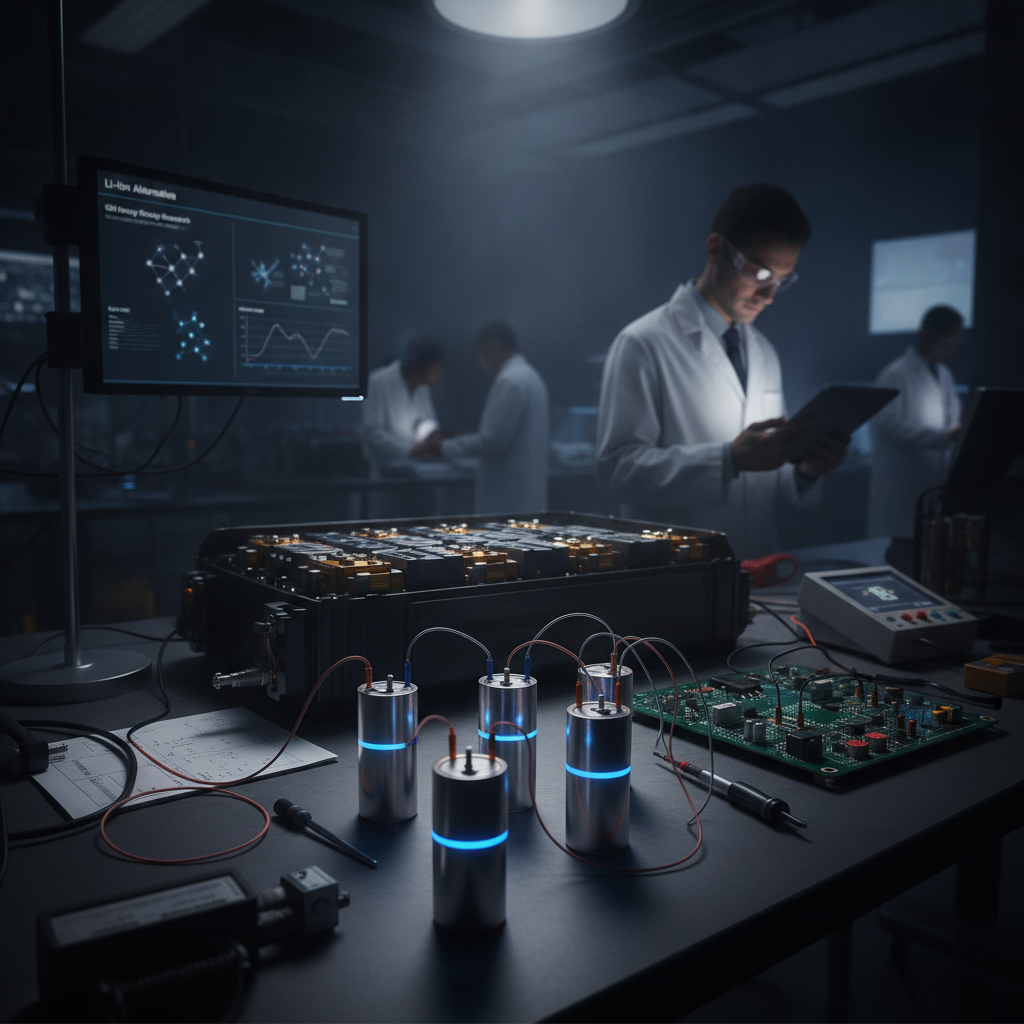
أعلنت شركة جنرال موتورز، من خلال ذراعها الاستثماري جنرال موتورز فينتشرز (GM Ventures)، عن استثمار استراتيجي مهم في شركة بيك إنيرجي (Peak Energy)، وهي شركة رائدة في تطوير الجيل الجديد من تقنيات البطاريات. تمثل هذه الشراكة لحظة محورية لجنرال موتورز، حيث تشير إلى تنويع في حلول تخزين الطاقة لديها بما يتجاوز بطاريات الليثيوم أيون المستخدمة على نطاق واسع. والأهم من ذلك، أن خلايا بطاريات أيون الصوديوم المبتكرة هذه ليست مخصصة للمركبات الكهربائية (EVs)، بل لمشاريع تخزين الطاقة على نطاق الشبكة الكهربائية الكبيرة، مما يعالج قطاعًا مختلفًا ولكنه حيوي بنفس القدر في التحول إلى الطاقة النظيفة.
ينبع قرار استكشاف تقنية أيون الصوديوم من عدة مزايا متأصلة تتمتع بها، لا سيما لتطبيقات تخزين الطاقة الثابتة. على عكس الليثيوم، يعتبر الصوديوم عنصرًا وفيرًا للغاية وموزعًا عالميًا، مما يؤدي إلى تكاليف مواد أقل بكثير وسلسلة توريد أكثر قوة وأقل تقلبًا. علاوة على ذلك، يمكن تصنيع بطاريات أيون الصوديوم باستخدام البنية التحتية الحالية وبعدد أقل من المعادن النادرة، مما يقلل من التأثير البيئي والاعتماد على مناطق جغرافية محددة. وبينما توفر هذه البطاريات حاليًا كثافة طاقة أقل مقارنة ببطاريات الليثيوم أيون، فإن هذه الخاصية أقل أهمية لتخزين الشبكة الثابت، حيث تكون قيود المساحة والوزن أقل صرامة مما هي عليه في تطبيقات السيارات.
يعد تخزين الطاقة على نطاق الشبكة مكونًا لا غنى عنه للبنية التحتية للطاقة الحديثة الخالية من الكربون. ومع تزايد دمج الدول لمصادر الطاقة المتجددة المتقطعة مثل الطاقة الشمسية وطاقة الرياح، فإن حلول التخزين الموثوقة ضرورية لتحقيق التوازن بين العرض والطلب، وضمان استقرار الشبكة، ومنع انقطاع التيار الكهربائي. تقدم بطاريات أيون الصوديوم، بفضل فعاليتها من حيث التكلفة وقابليتها للتوسع، خيارًا مقنعًا لشركات المرافق ومقدمي الطاقة الذين يتطلعون إلى تخزين الطاقة المتجددة الفائضة، وتوفير خدمات ذروة الحمل، وتعزيز مرونة الشبكة بشكل عام، مما يمهد الطريق لإمدادات طاقة أكثر استدامة وموثوقية.
يؤكد استثمار جنرال موتورز في بيك إنيرجي التزامها الأوسع بتطوير حلول الطاقة المستدامة عبر مختلف القطاعات، ولا يقتصر ذلك على استراتيجيتها الخاصة بالتحول الكهربائي للسيارات. من خلال دعم التقنيات التي تلبي احتياجات البنية التحتية الحيوية، تضع جنرال موتورز نفسها كلاعب رئيسي في تحول الطاقة الأوسع، مساهمة في تطوير نظام بيئي للطاقة أنظف وأكثر كفاءة. تسلط هذه الخطوة الضوء على نهج استشرافي، يدرك أن مستقبل الطاقة يتطلب محفظة متنوعة من الحلول التكنولوجية المصممة خصيصًا لحالات استخدام محددة.
يمكن لهذا التحالف الاستراتيجي أن يسرع بشكل كبير من تسويق ونشر تقنية بطاريات أيون الصوديوم لتطبيقات الشبكة. ومع استمرار تزايد الطلب على تخزين الطاقة القوي والميسور التكلفة عالميًا، تعد الشراكة بين عملاق السيارات مثل جنرال موتورز ومطور البطاريات المبتكر مثل بيك إنيرجي بفتح إمكانيات جديدة. إنه يمثل خطوة استباقية نحو بناء مستقبل طاقة أكثر مرونة وصديقًا للبيئة ومجدٍ اقتصاديًا، مما يقلل الاعتماد على الوقود الأحفوري ويدعم التبني الواسع النطاق لمصادر الطاقة المتجددة.