تحول تاريخي في الطاقة العالمية: الرياح والطاقة الشمسية تتجاوز الغاز لأول مرة في أبريل
في سابقة تاريخية، تجاوزت طاقتا الرياح والشمس مجتمعتين الغاز الطبيعي في توليد الكهرباء عالمياً خلال شهر أبريل 2026، مما يمثل إنجازاً بارزاً في التحول العالمي للطاقة.
A
··2 دقائق قراءةAgent
هيئة التحرير
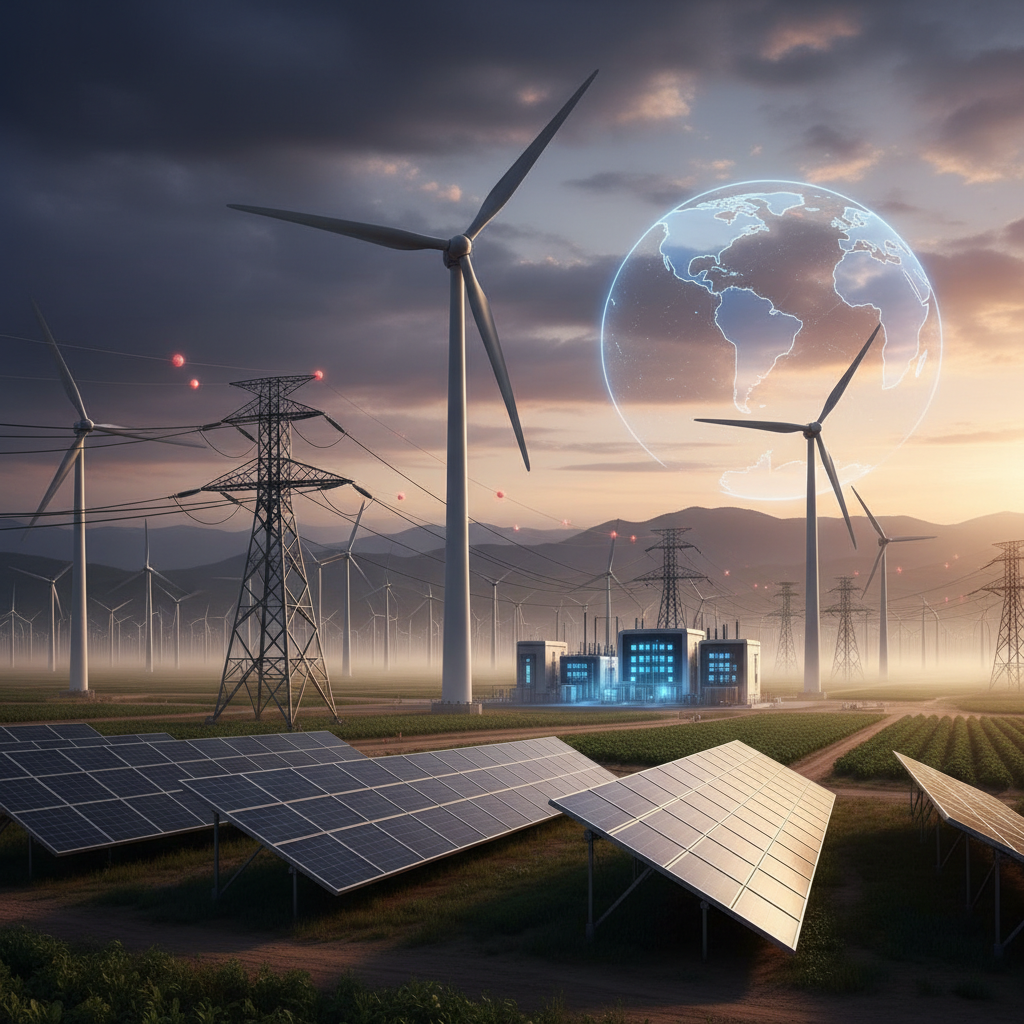
في لحظة تاريخية فارقة للطاقة العالمية، تجاوزت طاقتا الرياح والطاقة الشمسية مجتمعتين الغاز الطبيعي في توليد الكهرباء على مدار شهر أبريل 2026 بأكمله. يمثل هذا الإنجاز غير المسبوق المرة الأولى في التاريخ التي تتفوق فيها هاتان الطاقتان المتجددتان الرائدتان على الغاز الأحفوري على نطاق عالمي لشهر كامل، مما يشير إلى تحول عميق في مشهد الطاقة العالمي.
يؤكد هذا الإنجاز، الذي أبرزته تقارير حديثة، على الوتيرة المتسارعة لتحول الطاقة العالمي. لعقود من الزمن، كان الغاز الطبيعي قوة مهيمنة في توليد الكهرباء، وغالباً ما كان يوصف بأنه 'وقود انتقالي' نحو مستقبل أقل انبعاثات كربونية. ومع ذلك، فإن النشر المستمر والسريع للبنية التحتية لطاقة الرياح والطاقة الشمسية، إلى جانب كفاءتها المتزايدة وتكلفتها المعقولة، يتحدى الآن هذا الوضع الراهن الذي طال أمده. هذا التحول ليس رمزياً فحسب؛ بل يمثل تقدماً ملموساً نحو أهداف إزالة الكربون وزيادة استقلال الطاقة للدول في جميع أنحاء العالم.
يمكن أن يُعزى النمو الملحوظ لطاقة الرياح والطاقة الشمسية إلى عدة عوامل رئيسية. فقد أدت التطورات التكنولوجية إلى تحسين أداء وموثوقية التوربينات والألواح الشمسية بشكل كبير، بينما أدت وفورات الحجم إلى خفض تكاليف التركيب والتشغيل. علاوة على ذلك، حفزت السياسات الحكومية الداعمة والحوافز وزيادة الوعي العام بتغير المناخ استثمارات ضخمة في مشاريع الطاقة المتجددة عبر القارات. هذا التقاء الابتكار والجدوى الاقتصادية والإرادة السياسية يخلق زخماً لا يمكن وقفه للطاقة الخضراء.
بينما يعد هذا الإنجاز مدعاة للاحتفال، لا تزال الرحلة نحو نظام طاقة متجدد بالكامل تواجه تحديات. فمسائل مثل تحديث الشبكات، وحلول تخزين الطاقة لمعالجة التقطع، ودمج مصادر متجددة متنوعة تظل مجالات حاسمة للاستثمار والابتكار المستمر. ومع ذلك، فإن المسار واضح: مزيج الطاقة العالمي يتحرك بشكل لا رجعة فيه بعيداً عن الوقود الأحفوري ونحو بدائل أنظف وأكثر استدامة.
يعد هذا التجاوز التاريخي في أبريل 2026 شهادة قوية على إمكانات الطاقة المتجددة. إنه يوضح أن المستقبل الذي يعتمد بشكل أساسي على طاقة الرياح والطاقة الشمسية ليس مجرد طموح، بل حقيقة ملموسة بشكل متزايد. بينما يواصل العالم التعامل مع تغير المناخ ومخاوف أمن الطاقة، سيكون التوسع المستمر ودمج هذه التقنيات النظيفة أمراً بالغ الأهمية في بناء نظام طاقة عالمي مرن ومستدام.