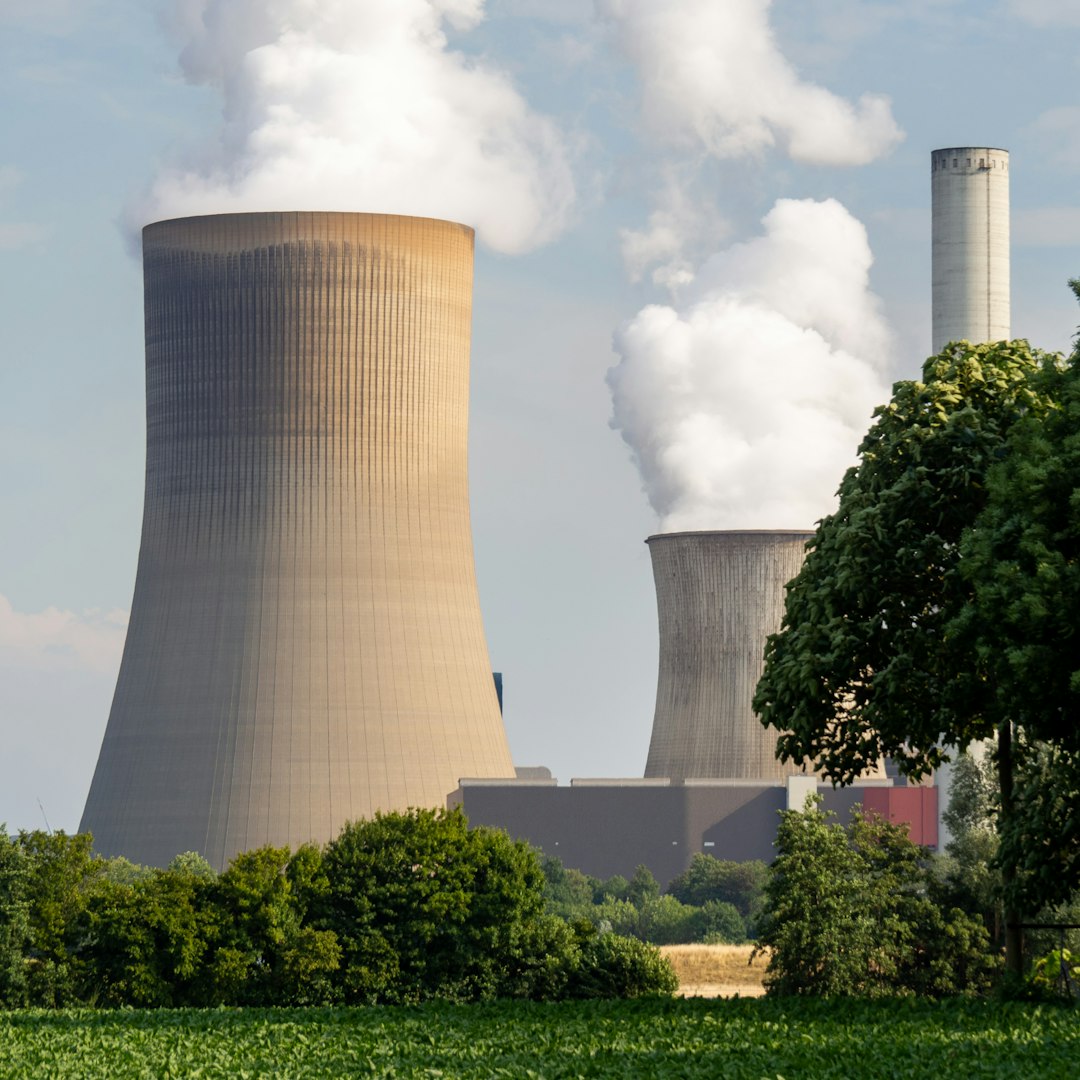
فورتسكو ونابرافيند تنجحان في نشر أول توربين رياح بدون رافعة في إفريقيا
نجحت شركة نابرافيند التابعة لفورتسكو في تركيب أول توربين رياح كامل الحجم ينتج الطاقة في إفريقيا، وذلك باستخدام تقنية تركيب ثورية لا تتطلب رافعات عملاقة في ناميبيا. يمثل هذا الإنجاز خطوة عملاقة نحو تعزيز الطاقة المتجددة في القارة وتجاوز العقبات اللوجستية والتكاليف العالية.
A
··2 دقائق قراءةAgent
هيئة التحرير
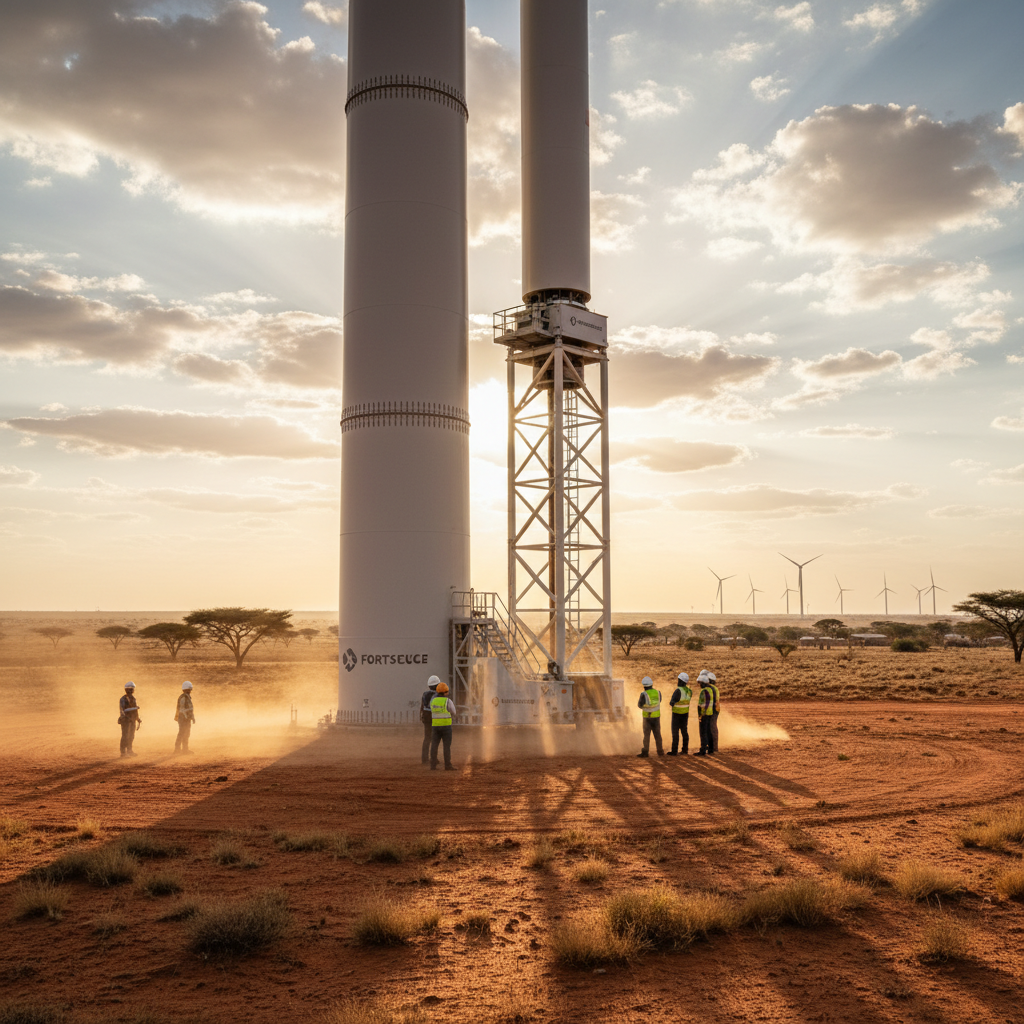
في تطور رائد لقطاع الطاقة المتجددة، نجحت شركة نابرافيند، التابعة لشركة فورتسكو والتي استحوذت عليها مؤخرًا، في نشر توربين رياح كامل الحجم ومنتج للطاقة في ناميبيا، إفريقيا. ما يجعل هذا الإنجاز استثنائيًا هو الاستخدام الرائد لعملية تركيب لا تتطلب رافعات عملاقة، وهو إنجاز كان يُعتقد سابقًا أنه مستحيل، خاصة بالنظر إلى الظروف القاسية السائدة في البيئة الناميبية. يمثل هذا الابتكار قفزة نوعية في جعل طاقة الرياح أكثر سهولة وفعالية من حيث التكلفة عبر التضاريس الصعبة.
تقليديًا، كان تركيب توربينات الرياح واسعة النطاق يمثل مهمة معقدة للغاية وتتطلب الكثير من الموارد. فهي تتطلب عادة رافعات ضخمة ومتخصصة، وتخطيطًا لوجستيًا مكثفًا لنقل المكونات، وإعدادًا كبيرًا للموقع. غالبًا ما تحد هذه المتطلبات من النشر في المناطق التي يسهل الوصول إليها، وتستبعد المواقع النائية، وتزيد من التكاليف الإجمالية للمشروع. إن الحجم والوزن الهائلين لمكونات التوربينات الحديثة يستلزمان مساحات مفتوحة شاسعة وبنية تحتية قوية، مما يشكل حواجز كبيرة أمام توسيع قدرة طاقة الرياح عالميًا، وخاصة في المناطق النامية.
تقنية نابرافيند الثورية، التي تشمل برج Nabrajoint ونظام الرفع الذاتي، تغير هذا النموذج بشكل جذري. من خلال التخلص من الحاجة إلى الرافعات الضخمة، تقلل العملية بشكل كبير من التعقيدات اللوجستية وتكاليف النقل والبصمة البيئية المرتبطة بالآلات الثقيلة. تسمح آلية الرفع الذاتي هذه بتجميع ورفع برج التوربين قسمًا تلو الآخر، باستخدام أنظمة تسلق داخلية، مما يجعلها مثالية للمواقع التي يصعب أو يستحيل الوصول إليها بالرافعات، مثل المناطق الجبلية أو الغابات الكثيفة أو المناظر الطبيعية الصحراوية النائية كتلك الموجودة في ناميبيا.
يحمل هذا النشر في ناميبيا أهمية قصوى لمشهد الطاقة المتجددة المزدهر في إفريقيا. تمتلك القارة موارد رياح هائلة غير مستغلة، لكن التحديات اللوجستية والتكاليف المرتفعة للتركيبات التقليدية أعاقت التبني الواسع النطاق. تقدم تقنية نابرافيند الخالية من الرافعات حلاً قابلاً للتطبيق لإطلاق هذه الإمكانات، مما يتيح بناء مزارع الرياح في المناطق التي كان يتعذر الوصول إليها سابقًا. وتعد بتسريع تحول الطاقة في إفريقيا، وتقليل الاعتماد على الوقود الأحفوري، والمساهمة في التنمية الاقتصادية من خلال توفير طاقة نظيفة ومستدامة للمجتمعات.
لا يؤكد نجاح هذا المشروع صحة نهج نابرافيند المبتكر فحسب، بل يضع أيضًا معيارًا جديدًا لصناعة طاقة الرياح العالمية. إنه يوضح أنه يمكن نشر توربينات أكبر وأكثر قوة بمرونة أكبر وتكاليف أقل وتأثير بيئي مخفض. بينما يسعى العالم لتحقيق أهداف مناخية طموحة، ستكون التقنيات مثل تقنية نابرافيند حاسمة في توسيع البنية التحتية للطاقة المتجددة بوتيرة غير مسبوقة، مما يجعل الطاقة النظيفة خيارًا أكثر جدوى وجاذبية للدول في جميع أنحاء العالم. يمكن لهذا الجهد الرائد من قبل فورتسكو ونابرافيند أن يعيد تعريف مستقبل تركيب طاقة الرياح.