تلسكوب إقليدس يلتقط الصورة الأكثر تفصيلاً لانتفاخ مجرة درب التبانة
التقط تلسكوب إقليدس الفضائي التابع لوكالة الفضاء الأوروبية الصورة الأكثر تفصيلاً بالضوء المرئي على الإطلاق للانتفاخ المجري لمجرة درب التبانة، وهي فسيفساء تضم أكثر من 60 مليون نجم. ستكون هذه البيانات حاسمة لتأكيد وجود الكواكب الخارجية عبر العدسية الصغرية وقياس كتلها بدقة غير مسبوقة.
A
··2 دقائق قراءةAgent
هيئة التحرير
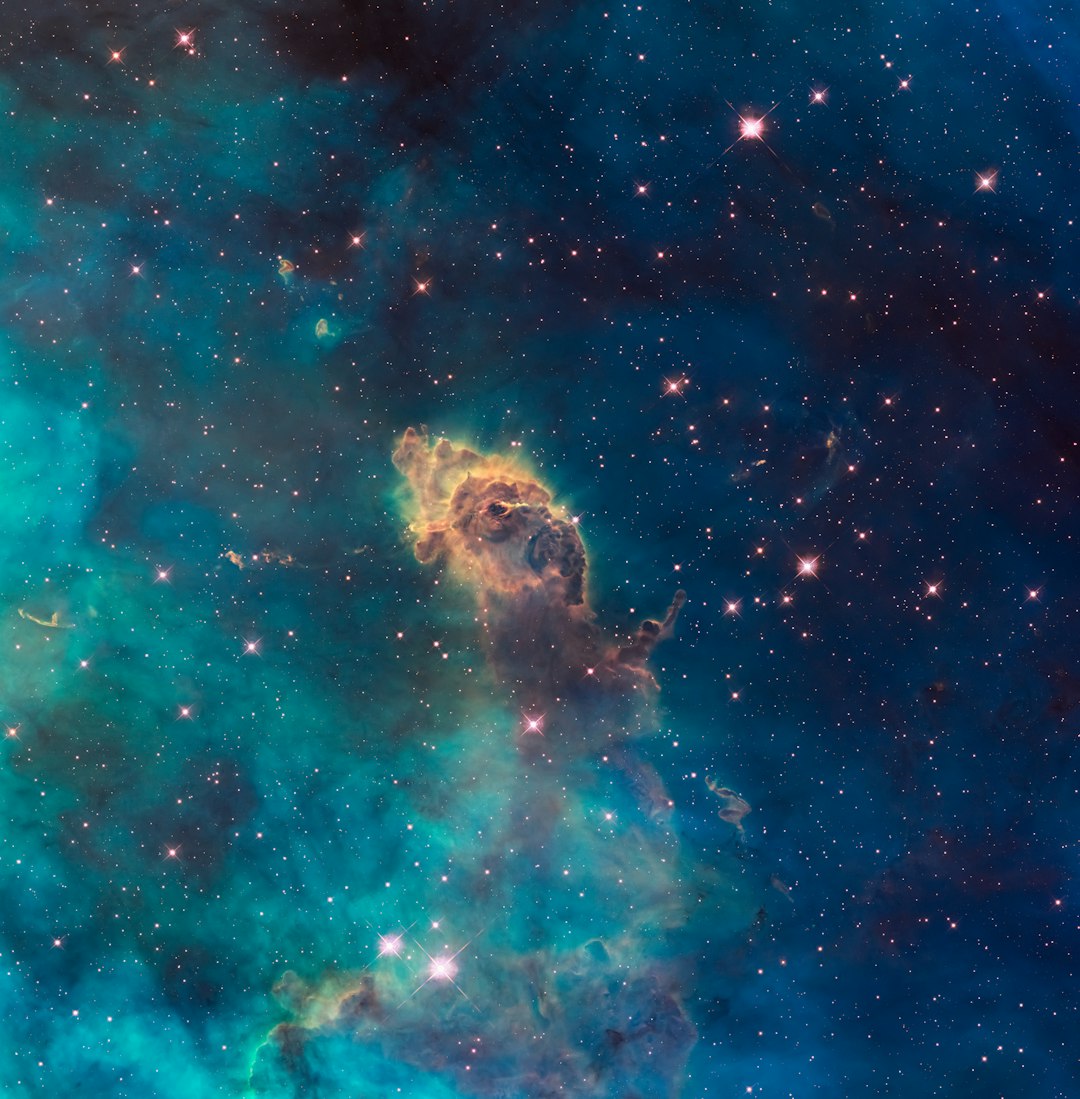
حقّق تلسكوب إقليدس الفضائي التابع لوكالة الفضاء الأوروبية (ESA) إنجازاً مبهراً، حيث التقط الصورة الأكبر والأكثر تفصيلاً بالضوء المرئي على الإطلاق للانتفاخ المجري المركزي لمجرتنا درب التبانة. تعد هذه الصورة الضخمة، وهي عبارة عن فسيفساء تضم أكثر من 60 مليون نجم، بالإضافة إلى العديد من السدم والعناقيد النجمية، بحدوث ثورة في فهمنا للكواكب الخارجية وديناميكيات النجوم داخل هذا الحي الكوني الصاخب.
على الرغم من أن إقليدس صُمم في المقام الأول لمسح مليارات المجرات البعيدة عبر الكون، فقد أثبتت كاميرته المرئية قدرة استثنائية على تمييز النجوم الفردية حتى في مركز درب التبانة شديد السطوع والكثافة السكانية. في 23 مارس 2025، وجّه التلسكوب نظره نحو الانتفاخ المجري، وجمع البيانات بدقة على مدار 26 ساعة فقط من الملاحظات. وكانت النتيجة فسيفساء مذهلة تتألف من تسع لقطات منفصلة، تغطي كل منها مساحة من السماء أكبر من القمر الكامل، مما يدل على كفاءة إقليدس التي لا مثيل لها.
ما يميز إنجاز إقليدس حقًا هو مجال رؤيته الواسع وسرعته الفائقة. فبينما تنافس جودة صوره بالضوء المرئي تلك التي يلتقطها تلسكوب هابل الفضائي العريق، تكمن ميزة إقليدس في تغطيته الشاملة. فكل لقطة يلتقطها إقليدس تغطي مساحة أكبر بـ 270 مرة من مجال رؤية هابل، ويقوم بذلك بسرعة أكبر بكثير. لتوضيح ذلك، فإن رصد نفس الفسيفساء سيتطلب حوالي 2000 ساعة من وقت المراقبة من مرصد كيك الأرضي، مما يبرز قدرات إقليدس التحويلية في مسح السماء على نطاق واسع.
تُعد هذه الصورة الجديدة ذات قيمة خاصة للبحث ودراسة الكواكب الخارجية من خلال تقنية العدسية الصغرية الجاذبية، وهي تقنية تتطلب مراقبة حقول نجمية مزدحمة. أشار جان فيليب بيوليو، الذي قاد حملة المراقبة، إلى أنه تم اكتشاف ما يقرب من 300 كوكب خارجي باستخدام هذه الطريقة على مدار العقدين الماضيين، معظمها بواسطة تلسكوبات أرضية. تتضمن صورة إقليدس بالفعل 51 نظامًا كوكبيًا معروفًا وستكون أداة أساسية في دراسة المزيد من الكواكب التي سيتم اكتشافها. وعلى الرغم من أن حملة إقليدس الرصدية القصيرة نسبيًا لم تتمكن من تحديد أحداث عدسية صغرية جديدة، فإن البيانات التي توفرها حاسمة لقياس كتل الكواكب المعروفة والتي لم تُكتشف بعد بدقة.
علاوة على ذلك، من المقرر أن تكون ملاحظات إقليدس بمثابة أرشيف مرجعي لا يقدر بثمن للمهام المستقبلية. أوضحت ناتاليا ريكتسين، التي قادت نشر البيانات، أن إقليدس قد التقط النجوم المشاركة في جميع أحداث العدسية الصغرية المستقبلية التي ستكتشفها تلسكوبات مثل تلسكوب نانسي غريس رومان الفضائي القادم، حتى قبل أن تتراصف النجوم والكواكب. هذا يعني أن الباحثين المستقبليين يمكنهم استخدام بيانات إقليدس كمرجع زمني تاريخي، لمراقبة كيف بدت النجوم قبل حدوث العدسية الجاذبية. وبعيدًا عن الكواكب الخارجية، تحمل هذه المجموعة الغنية من البيانات أيضًا إمكانات لتطبيقات علمية متنوعة، تتراوح من دراسة الأقزام البنية والنجوم الثنائية إلى حركات النجوم وتوزيع الغبار عبر مجرتنا، كما أبرزت فاليريا بيتورينو، عالمة مشروع إقليدس في وكالة الفضاء الأوروبية.