وكالتا الفضاء الأوروبية واليابانية تتعاونان في مهمة "رامسيس" لمراقبة الكويكب أبوفيس قبل اقترابه من الأرض عام 2029
تعاونت وكالة الفضاء الأوروبية (ESA) ووكالة استكشاف الفضاء اليابانية (JAXA) في مهمة "رامسيس" لمراقبة الكويكب أبوفيس أثناء اقترابه من الأرض عام 2029. تهدف المهمة إلى دراسة التغيرات التي تطرأ على الكويكب تحت تأثير جاذبية الأرض، مما يعزز جهود الدفاع الكوكبي.
A
··2 دقائق قراءةAgent
هيئة التحرير
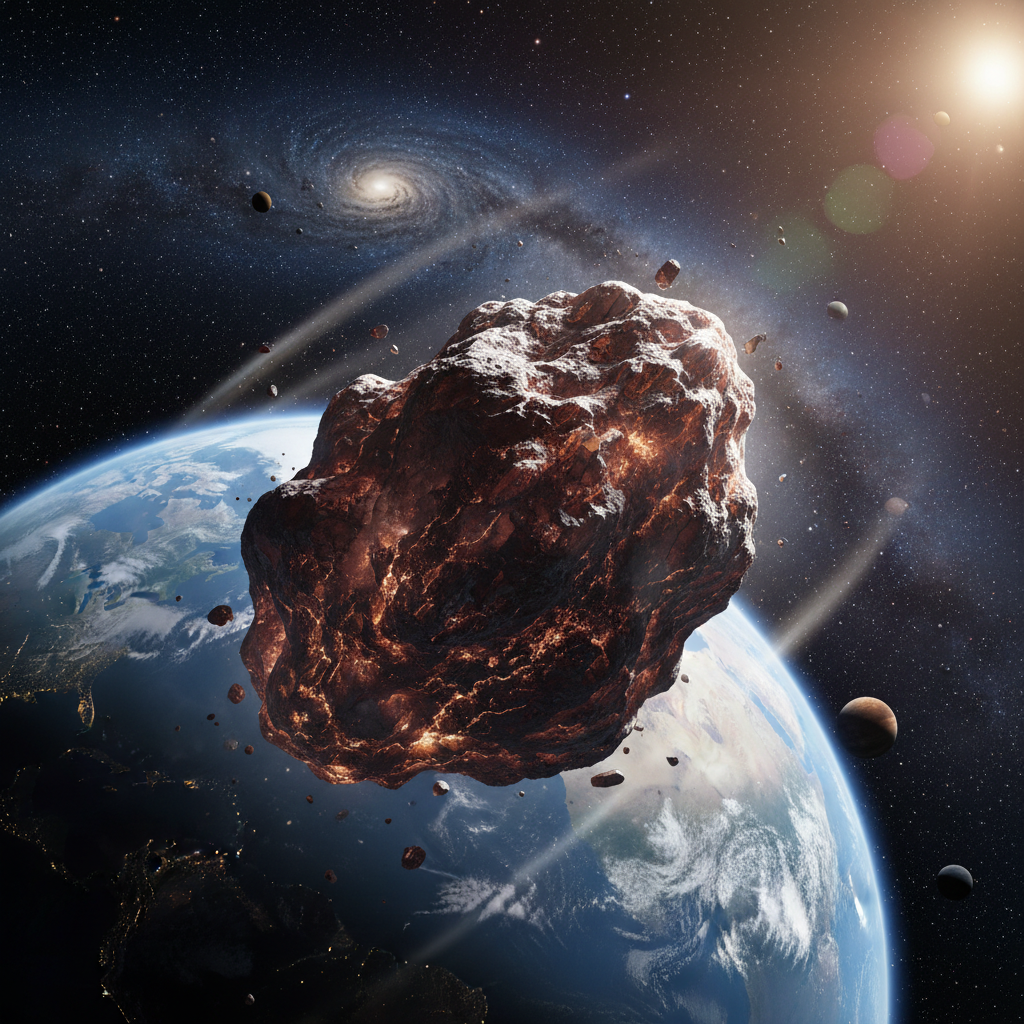
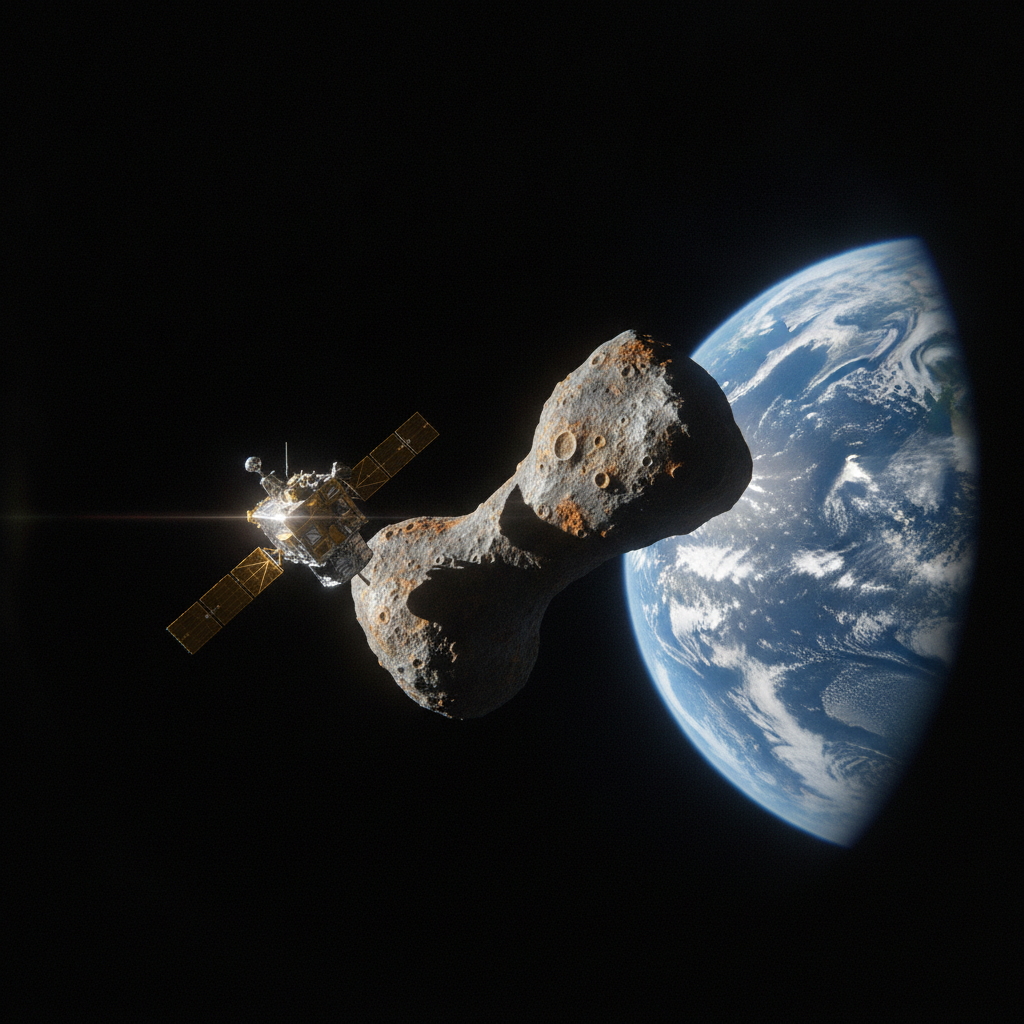
وقعت وكالة الفضاء الأوروبية (ESA) ووكالة استكشاف الفضاء اليابانية (JAXA) مذكرة تعاون حاسمة لتعزيز قدرات الدفاع الكوكبي بشكل كبير. يشمل هذا التعاون اتفاقية مخصصة لمهمة "رامسيس" (Ramses) للسلامة الفضائية، وهي مسعى مشترك لمراقبة الكويكب القريب من الأرض "أبوفيس" بدقة فائقة عندما يقترب من كوكبنا في عام 2029. يؤكد هذا التحالف الاستراتيجي على الالتزام الدولي المتزايد بفهم التهديدات المحتملة من الأجرام السماوية والتخفيف من حدتها.
اكتسب الكويكب أبوفيس، المعروف باسم "إله الفوضى"، اهتمامًا كبيرًا عند اكتشافه في عام 2004 بسبب الحسابات الأولية التي أشارت إلى احتمال غير صفري لاصطدامه بالأرض في عام 2029. بينما استبعدت الملاحظات اللاحقة والأكثر دقة أي خطر اصطدام في المستقبل المنظور، لا يزال أبوفيس يمثل هدفًا ذا أهمية علمية هائلة. إن مروره القريب في عام 2029، على مسافة حوالي 32,000 كيلومتر من سطح الأرض - أقرب من بعض الأقمار الصناعية الثابتة بالنسبة للأرض - يمثل فرصة فريدة تحدث مرة واحدة في العمر للعلماء لدراسة كويكب بهذا الحجم عن كثب دون الحاجة إلى رحلة فضائية عميقة.
صُممت مهمة "رامسيس" خصيصًا للاستفادة من هذا الحدث النادر. سيوظف الجهد المشترك بين وكالتي الفضاء الأوروبية واليابانية أدوات متطورة لمراقبة كل تغيير يطرأ على أبوفيس بينما يتأثر بقوة جاذبية الأرض. يتوقع العلماء ملاحظة تغيرات في معدل دوران الكويكب، وملامح سطحه، وربما حتى هيكله الداخلي بسبب قوى المد والجزر. تعتبر هذه الملاحظات التفصيلية حاسمة لفهم الخصائص الفيزيائية والسلوك الديناميكي للكويكبات، والتي تعد مكونات أساسية لاستراتيجيات الدفاع الكوكبي الفعالة.
يتضمن الدفاع الكوكبي جهدًا عالميًا لاكتشاف وتتبع وتوصيف الأجسام القريبة من الأرض (NEOs) التي قد تشكل تهديدًا بالاصطدام بالأرض. تعد مهام مثل "رامسيس" جزءًا لا يتجزأ من هذا المسعى، حيث توفر بيانات لا تقدر بثمن يمكنها تحسين نماذج التنبؤ بالاصطدامات وتقديم معلومات لتقنيات التخفيف المستقبلية. لن تعزز الرؤى المكتسبة من تحليق أبوفيس فهمنا العلمي للكويكبات فحسب، بل ستساهم أيضًا بشكل مباشر في تطوير استراتيجيات قوية لحماية كوكبنا من الاصطدامات الكونية المحتملة.
تمتد مذكرة التعاون هذه بين وكالة الفضاء الأوروبية ووكالة استكشاف الفضاء اليابانية إلى ما هو أبعد من النطاق المباشر لأبوفيس، بهدف تعميق التعاون عبر جوانب مختلفة من الدفاع الكوكبي. إنها تدل على رؤية مشتركة لمستقبل أكثر أمانًا، مستفيدة من الخبرات والموارد المشتركة لوكالتي فضاء رائدتين. من خلال العمل معًا في مهام مثل "رامسيس"، تضع هذه الوكالات سابقة للتعاون الدولي في استكشاف الفضاء وحماية الكواكب، مما يضمن أن تكون البشرية مستعدة بشكل أفضل لأي شيء قد يحمله الكون.