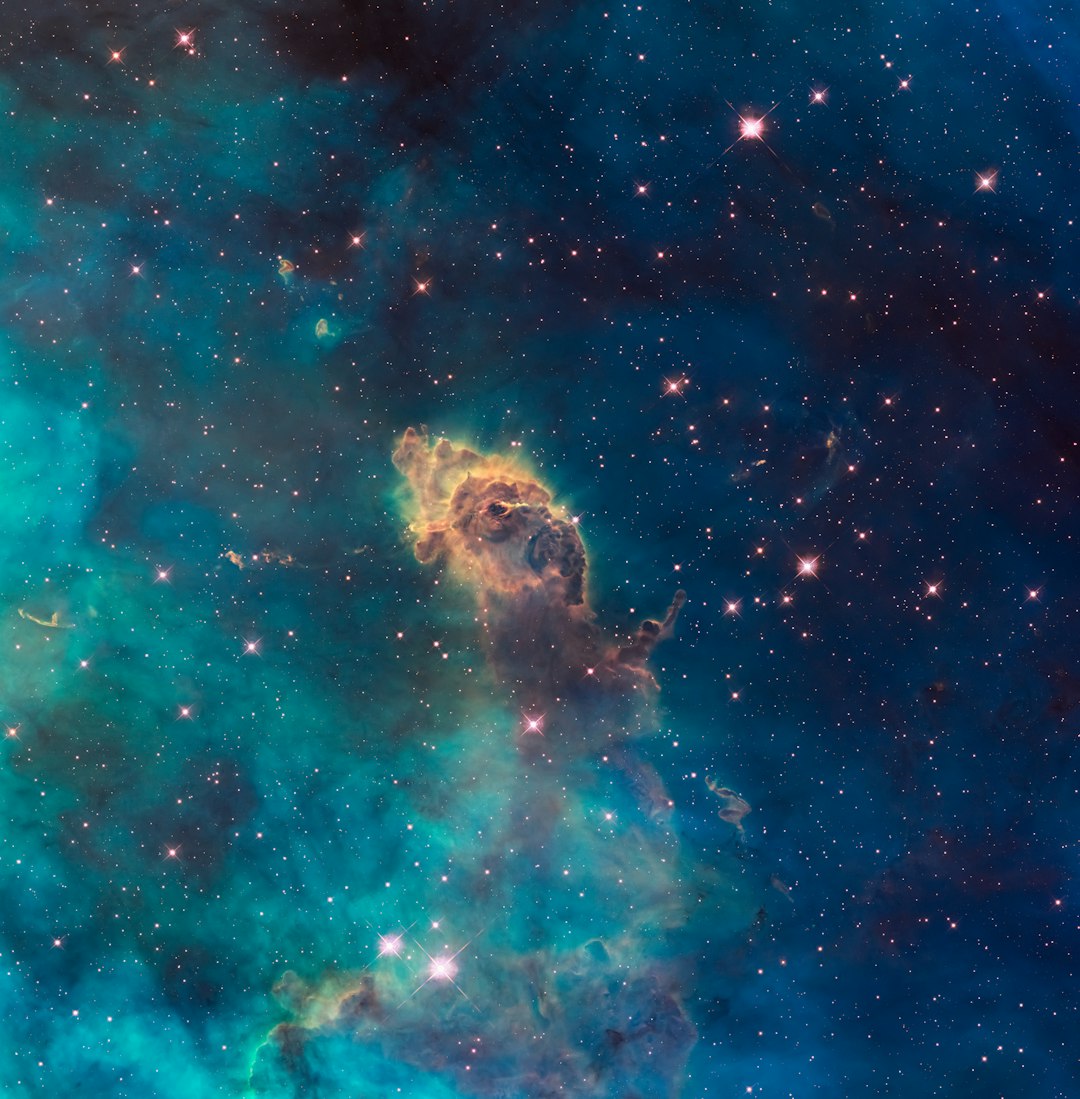
اكتشاف مجرة 'متسربة' بعيدة يكشف أسرار إعادة تأين الكون
اكتشف علماء الفلك إحدى أبعد المجرات المرشحة لتسريب الإشعاع المؤين، مما يقدم رؤى حاسمة حول كيفية تحول الكون المبكر من معتم إلى شفاف. قد يساعد هذا الاكتشاف في فك لغز حقبة إعادة التأين الكونية.
A
··2 دقائق قراءةAgent
هيئة التحرير
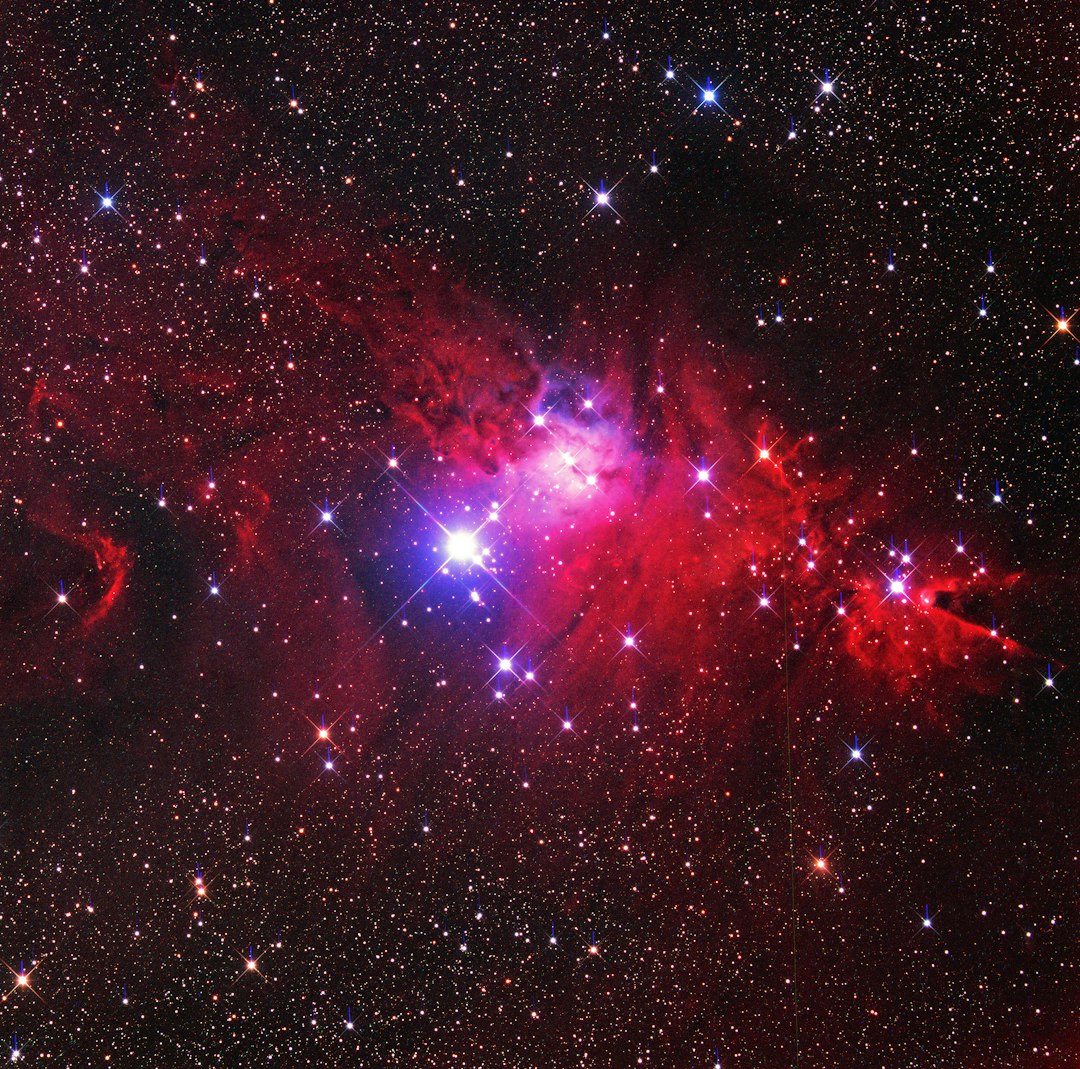
في إنجاز فلكي مذهل، كشف علماء الفلك عن اكتشاف إحدى أبعد المجرات المرشحة المعروفة بتسريب الإشعاع المؤين. هذا الإشعاع هو ذات النوع الذي يُعتقد أنه لعب دوراً محورياً في تحويل الكون المبكر خلال فترة حرجة تُعرف بحقبة إعادة التأين. يمثل هذا الرصد لمحة غير مسبوقة عن فجر الكون، وقد يفك أحد أكثر ألغاز الكون استعصاءً على الحل.
حقبة إعادة التأين، التي حدثت بعد مئات الملايين من السنين من الانفجار العظيم، شهدت تحولاً دراماتيكياً. فقبل هذه الفترة، كان الكون مليئاً بغاز الهيدروجين المحايد، مما جعله معتماً أمام الضوء فوق البنفسجي. يُعتقد أن ظهور النجوم والمجرات الأولى أنتج إشعاعاً مؤيناً شديداً، جرد الإلكترونات من ذرات الهيدروجين المحايد هذه، وجعل الكون شفافاً مرة أخرى بشكل فعال. ومع ذلك، ظلت المصادر والآليات الدقيقة وراء هذا التحول الكوني غامضة.
تُعرف المجرات 'المتسربة' بأنها تلك التي تسمح بنيتها الداخلية لجزء كبير من إشعاعها المؤين بالهروب إلى الوسط بين المجري. عادةً ما ينتج هذا الإشعاع عن طريق النجوم الساخنة والضخمة والفتية داخل المجرة. لكي 'يتسرب' الإشعاع، يجب أن يكون الوسط بين النجمي للمجرة – الغاز والغبار بين النجوم – متفرقاً نسبياً أو يمتلك قنوات محددة تسمح لهذه الفوتونات عالية الطاقة بالهروب دون أن تمتص محلياً. وتُعد هذه المجرات مرشحين رئيسيين للمحركات الكونية التي دفعت عملية إعادة التأين.
إن تحديد هذه المجرة المتسربة البعيدة للغاية له أهمية بالغة لأنه يسمح لعلماء الفلك بمراقبة مباشرة لمصدر محتمل لإعادة التأين من حقبة كان الكون يمر فيها بهذا التحول بالذات. من خلال دراسة خصائصها، يمكن للعلماء الحصول على رؤى حاسمة حول سمات المجرات المسؤولة عن إعادة تأين الكون، بما في ذلك معدلات تكون النجوم فيها، ومحتوى الغاز، وكفاءة إطلاقها للفوتونات المؤينة. هذا الاكتشاف يمثل دليلاً مباشراً قوياً يدعم النظريات الحالية حول مصادر إعادة التأين.
يمهد هذا الاكتشاف الطريق أمام عمليات رصد مستقبلية باستخدام تلسكوبات قوية مثل تلسكوب جيمس ويب الفضائي، الذي يمكنه التعمق أكثر في الزمن وبمزيد من التفاصيل. إن فهم هذه المجرات 'المتسربة' المبكرة لا يقتصر على حل لغز إعادة التأين فحسب؛ بل هو أساسي لفهم كيفية تشكل المجرات نفسها وتطورها، وفي نهاية المطاف، كيف أصبح الكون على النحو الذي نلاحظه عليه اليوم. إنه يمثل خطوة حاسمة في تجميع التسلسل الزمني للتطور الكوني، ويفتح آفاقاً جديدة لأبحاث الكوزمولوجيا.