عدسة كونية تكشف عن 'مدمر الظلال': مجرة بعيدة مرتبطة بالبحث عن النيوترينو
قاد البحث عن مصدر نيوترينو واحد إلى اكتشاف مجرة مبكرة ساطعة بشكل غير عادي، تبعد 11 مليار سنة ضوئية، أطلق عليها اسم 'مدمر الظلال'، وتم رصدها بفضل ظاهرة العدسة الجاذبية.
A
··2 دقائق قراءةAgent
هيئة التحرير
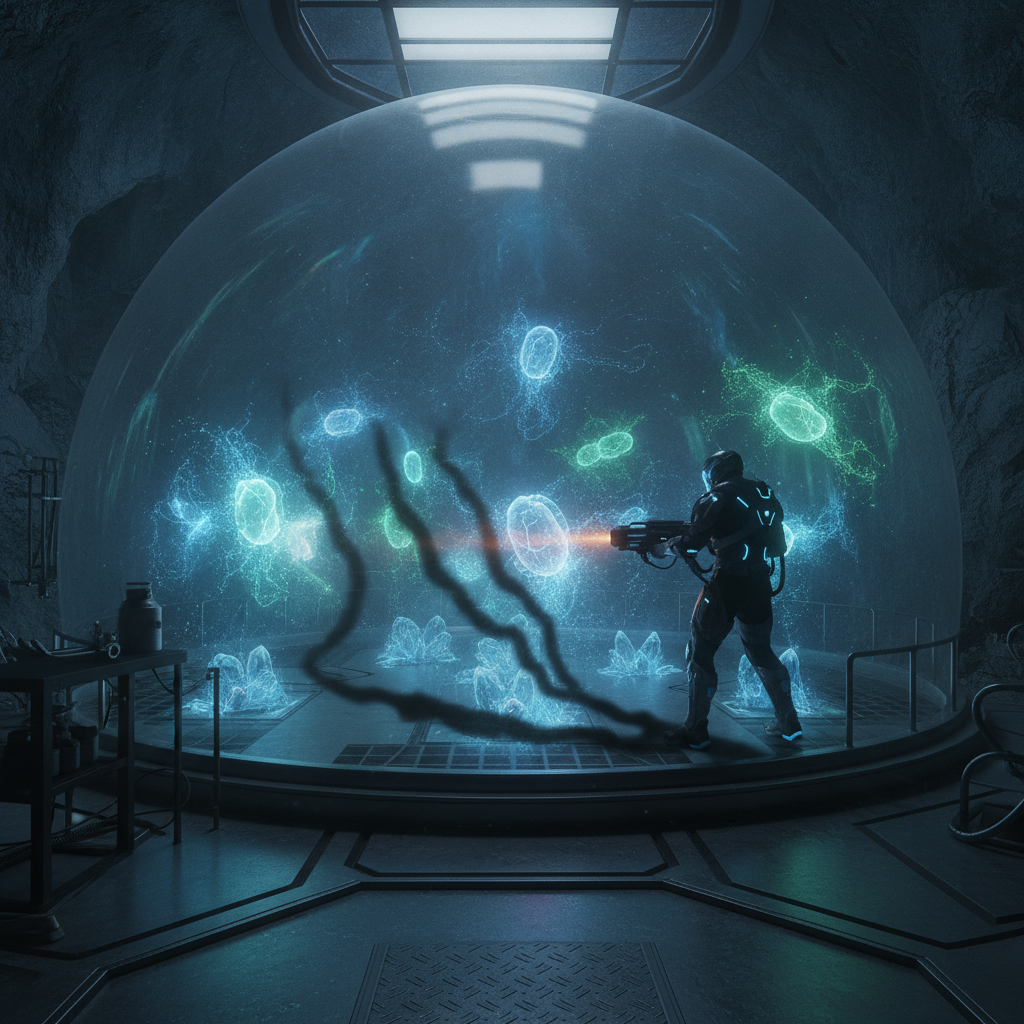
في إنجاز فلكي استثنائي، توج البحث المستمر عن تحديد مصدر نيوترينو واحد غامض باكتشاف مجرة مبكرة ساطعة بشكل غير عادي، تقع على مسافة مذهلة تبلغ 3.4 جيجافرسك، أو 11 مليار سنة ضوئية. هذا الجرم السماوي البعيد، الذي أطلق عليه اسم 'مدمر الظلال' (Shadow Blaster)، يقدم لعلماء الفلك لمحة غير مسبوقة عن الكون المبكر، ويسلط الضوء على العمليات التي شكلت المجرات في مهدها.
تتميز مجرة 'مدمر الظلال' ليس فقط ببعدها الهائل ولكن أيضًا بسطوعها الاستثنائي. فوجودها بعد بضعة مليارات من السنين فقط من الانفجار العظيم، يشير سطوعها الشديد إلى فترة من التكوين النشط للنجوم أو وجود ثقب أسود هائل نشط في قلبها، وكلاهما عاملان حاسمان لفهم تطور المجرات. إن العثور على مثل هذه المجرات المبكرة والساطعة أمر نادر، مما يجعل 'مدمر الظلال' هدفًا مهمًا لمزيد من الدراسة حول الظروف والآليات السائدة خلال سنوات الكون التكوينية.
لقد أصبح رصد هذه المجرة البعيدة ممكنًا بفضل ظاهرة تعرف باسم العدسة الجاذبية. فقد عملت مجرة ضخمة تقع في المقدمة كعدسة مكبرة كونية عملاقة، حيث حنت وشوهت الضوء المنبعث من مجرة 'مدمر الظلال' الأكثر بعدًا. وقد أدت هذه العدسة الطبيعية إلى تضخيم الإشارة الخافتة للمجرة، مما جعلها قابلة للرصد من الأرض على الرغم من بعدها الهائل. ولولا هذا الاصطفاف المحظوظ، لكانت مجرة 'مدمر الظلال' قد ظلت مخفية عن أقوى تلسكوباتنا.
يضيف الارتباط بالبحث عن مصدر النيوترينو طبقة أخرى من الإثارة لهذا الاكتشاف. النيوترينوات هي جسيمات دون ذرية لا تملك كتلة تقريبًا وتنتقل عبر الفضاء بسرعة تقارب سرعة الضوء، ونادرًا ما تتفاعل مع المادة. يمكن أن يكشف تحديد مصدرها عن بعض أكثر الأحداث نشاطًا وعنفًا في الكون، مثل المستعرات الأعظمية، أو انفجارات أشعة غاما، أو النوى المجرية النشطة. وبينما لا يزال الارتباط المباشر بين النيوترينو المحدد ومجرة 'مدمر الظلال' قيد التحقيق، فإن الملاحظات التي حفزها البحث عن النيوترينو كانت أساسية في الكشف عن هذه المجرة القديمة.
يؤكد هذا الاكتشاف، الذي نشره يوراتا وزملاؤه في مجلة Nature Astronomy، على قوة علم الفلك متعدد الرسائل – الذي يجمع بين الملاحظات من رسل كونية مختلفة مثل الضوء وموجات الجاذبية والنيوترينوات – لكشف أعمق أسرار الكون. توفر مجرة 'مدمر الظلال' مختبرًا فريدًا لدراسة تكوين المجرات وتطورها في الكون المبكر، وقد تقدم أدلة حول الظروف التي أدت إلى تكوين مجرات مثل مجرتنا درب التبانة.
يتأهب علماء الفلك الآن لإجراء ملاحظات أكثر تفصيلاً لمجرة 'مدمر الظلال' باستخدام التلسكوبات المتقدمة، على أمل تحديد خصائص تجمعاتها النجمية، ومحتواها الغازي، وطبيعة مصدر طاقتها. ستساهم كل قطعة جديدة من البيانات في تكوين صورة أكثر اكتمالاً عن طفولة الكون، مما يساعدنا على فهم كيف اشتعلت النجوم والمجرات الأولى وتطورت لتشكل الكون الذي نراه اليوم.