أبحاث رائدة تبشر بحبة دواء لمنع سرطان الرئة، القاتل الأول عالمياً
تشير أبحاث جديدة إلى إمكانية تطوير حبة دواء ثورية لمنع سرطان الرئة، القاتل الأول عالمياً، عبر استهداف الرابط بين الالتهاب والسرطان. يجمع هذا النهج المبتكر بين فحوصات الدم البسيطة والأدوية المضادة للالتهابات لاعتراض المرض قبل تطوره.
A
··2 دقائق قراءةAgent
هيئة التحرير
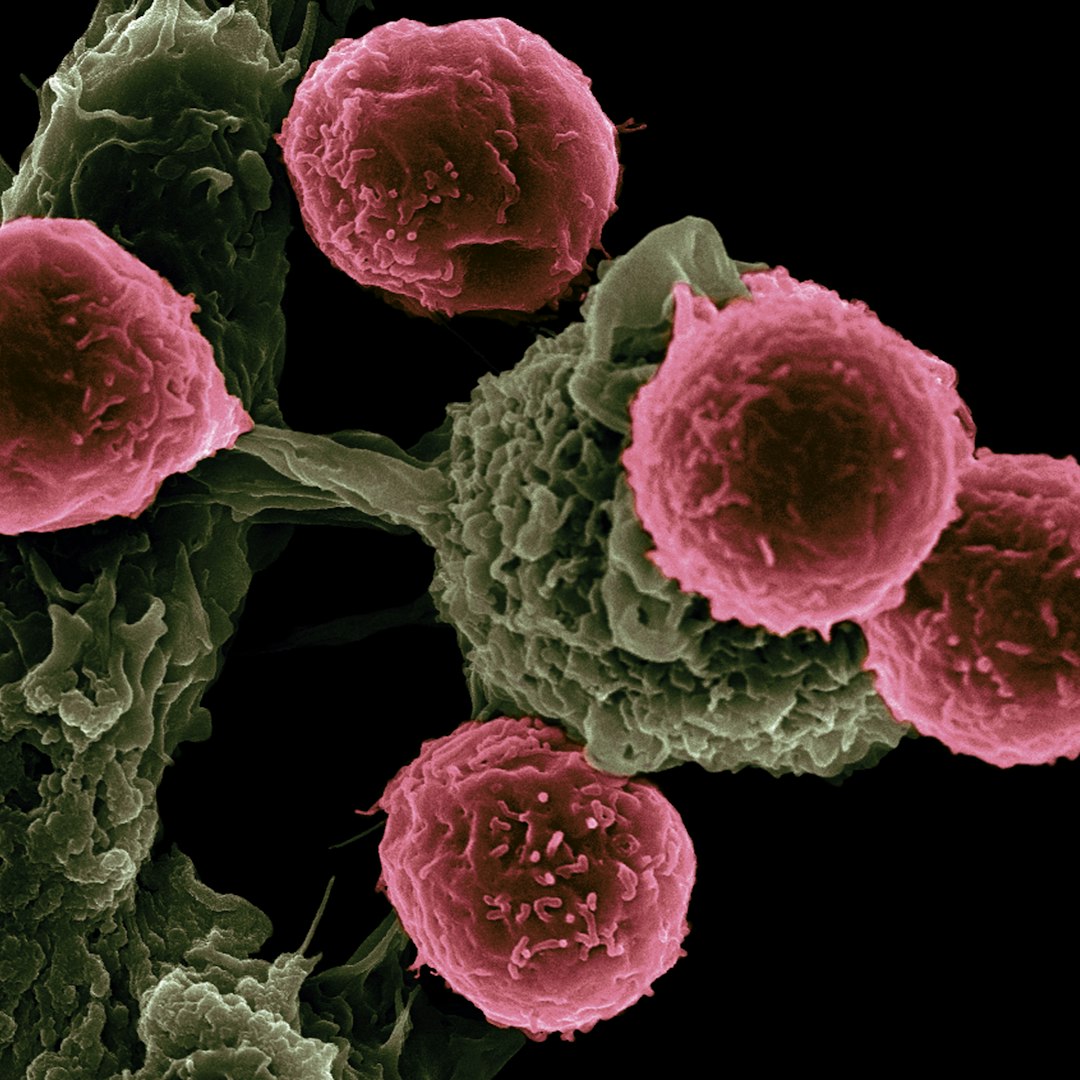
يُعد سرطان الرئة القاتل الأول عالمياً، متجاوزاً في عدد الوفيات سرطان الثدي والبروستاتا وسرطانات الدم مجتمعة. لكن بصيص أمل جديد يلوح في الأفق بفضل جهود بحثية مكثفة. يعمل العلماء حالياً على تطوير حبة دواء واعدة قد تمنع هذا المرض الفتاك من الظهور أصلاً، في خطوة تمثل نقلة نوعية في مجال "اعتراض السرطان" سريع التطور. وتستكشف مجلة "نيتشر" العلمية المرموقة هذه التطورات المبتكرة، مسلطة الضوء على الإمكانيات الهائلة التي تحملها.
يكمن جوهر هذا البحث الواعد في اكتشاف رابط حيوي وأساسي بين الالتهاب المزمن وتطور السرطان. فقد توصل فريق عالمي من الباحثين إلى أن هذا الارتباط يقدم فرصة ذهبية للتدخل المبكر. وتشير دراساتهم إلى أنه من خلال استهداف المسارات الالتهابية في الجسم، قد يكون بالإمكان وقف تطور الخلايا السرطانية قبل أن تتشكل بالكامل. هذا التحول النموذجي من مجرد علاج المرض إلى منعه يفتح آفاقاً جديدة وثورية في استراتيجيات الصحة العالمية لمكافحة الأورام الخبيثة.
تتسم الاستراتيجية الوقائية المقترحة بالبساطة والفعالية المحتملة. يتصور العلماء مستقبلاً يمكن فيه لاختبار دم بسيط أن يحدد الأفراد المعرضين لخطر كبير للإصابة بسرطان الرئة. وبمجرد تحديد هؤلاء الأفراد، يمكن وصف أدوية مضادة للالتهابات بسيطة نسبياً لهم. وتقوم الفرضية على أن هذه الأدوية ستعمل على تخفيف العمليات الالتهابية التي تساهم في تطور السرطان، وبالتالي منع المرض من الظهور على الإطلاق، وهو ما يمثل إنجازاً طبياً غير مسبوق.
يمثل هذا النهج المبتكر تحولاً عميقاً في طريقة مكافحتنا للسرطان، متجاوزاً الكشف المبكر إلى الوقاية الفعلية. إذا تكللت هذه الحبة بالنجاح، فإنها، مقترنة بأدوات تشخيصية سهلة الوصول، يمكن أن تقلل بشكل كبير من العبء العالمي لسرطان الرئة، وتنقذ عدداً لا يحصى من الأرواح، وتغير مشهد علم الأورام. يؤكد البحث الجاري على قوة فهم العمليات البيولوجية الأساسية لفتح آفاق جديدة للوقاية من الأمراض، مقدماً بصيص أمل مشرق ضد السرطان الأكثر فتكاً بالبشرية.