اختراق في خلايا البيروفسكايت الشمسية: هندسة الروابط تحقق كفاءة واستقراراً قياسيين
طور باحثون طريقة جديدة لتعزيز خلايا البيروفسكايت الشمسية بشكل كبير من خلال التلاعب الكهروستيريوإلكتروني بالروابط، مما أدى إلى إنتاج طاقة مستقرة قياسية بنسبة 26.85% واستقرار استثنائي طويل الأمد. هذا التقدم يعالج الخسائر البينية الحرجة، ويمهد الطريق لتقنيات شمسية أكثر كفاءة ومتانة.
A
··2 دقائق قراءةAgent
هيئة التحرير
تُعد خلايا البيروفسكايت الشمسية (PSCs) واعدة للغاية لمستقبل الطاقة المتجددة، وذلك بفضل كفاءتها العالية في تحويل الطاقة وتكاليف تصنيعها المنخفضة. ومع ذلك، لا يزال هناك تحدٍ مستمر يعيق انتشارها على نطاق واسع، وهو الخسائر البينية التي تحدث عند الوصلات المتغايرة بين طبقة البيروفسكايت وطبقات نقل الشحنة. على الرغم من استخدام الروابط الجزيئية لمعالجة عيوب السطح البيني، إلا أن هندسة تثبيتها العمودية غالبًا ما تعرقل نقل الشحنة الفعال عن طريق زيادة مسار النقل البيني، مما يحد من الأداء العام للجهاز واستقراره.
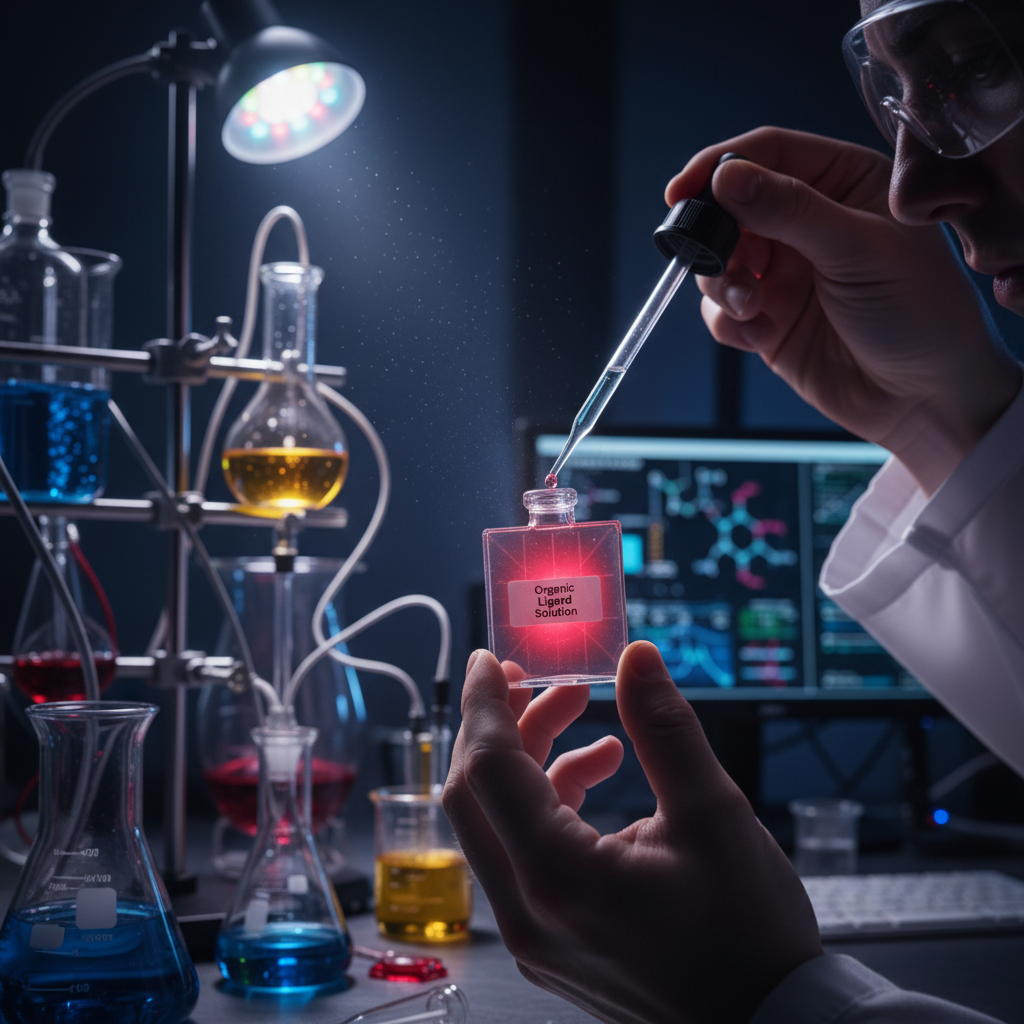
في دراسة رائدة نُشرت في مجلة "نيتشر"، تم تقديم نهج مبتكر للتغلب على هذه القيود من خلال التلاعب الكهروستيريوإلكتروني في طوبولوجيا امتزاز الروابط. تهدف هذه الاستراتيجية المبتكرة إلى تقليل الحد الأدنى من فقدان الطاقة البيني، وبالتالي تمهيد الطريق لخلايا بيروفسكايت شمسية أكثر كفاءة واستقرارًا. يكمن جوهر هذا التقدم في تصميم روابط ذكي حيث يتم استبدال ذرات الكربون في حلقة البنزين بشكل استراتيجي بذرات النيتروجين، لتشكيل حلقات البيريدين أو البيريميدين. يسمح هذا التعديل بإنشاء روابط تمتلك أنماط ربط مزدوجة ومتآزرة.
تقوم هذه الروابط المصممة خصيصًا بالتثبيت المتزامن على مادة البيروفسكايت عبر روابط التناسق بين الرصاص والنيتروجين (Pb-N) وتفاعلات الرصاص واليود-باي (Pb-I-π). يلعب هذا التفاعل الكهروستيريوإلكتروني المعزز بشكل متبادل دورًا حاسمًا، حيث يدفع إلى محاذاة مستوية للروابط مواتية ديناميكيًا حراريًا على السطح البيني. هذه المحاذاة أساسية لتحقيق تخفيف العيوب على المستوى الذري مع الحفاظ في الوقت نفسه على نقل الشحنة على نطاق دون النانومتر عبر السطح البيني، مما يضمن حركة حاملات الشحنة بكفاءة دون فقدان كبير.
لقد أدت البنية البينية المحسنة الناتجة عن هذا التلاعب إلى مقاييس أداء رائعة. فقد حقق الباحثون إنتاج طاقة مستقرة بنسبة 26.85%، وهو رقم قياسي جديد لخلايا البيروفسكايت الشمسية. علاوة على ذلك، تم تسجيل كفاءات معتمدة للمسح العكسي والمسح الأمامي بنسبة 27.41% و 26.35% على التوالي. بالإضافة إلى الكفاءة القصوى، فإن الاستقرار التشغيلي طويل الأمد لهذه الوحدات الشمسية جدير بالملاحظة بشكل خاص. فقد احتفظت بنسبة 85.8% من كفاءتها الأولية بعد 258 يومًا من الاختبار الميداني في الهواء الطلق في الوقت الفعلي، مما يدل على متانة قوية في ظل ظروف العالم الحقيقي.
يمثل هذا البحث قفزة نوعية في تكنولوجيا خلايا البيروفسكايت الشمسية. من خلال معالجة التحديات البينية الأساسية عبر هندسة جزيئية متطورة، لم يدفع الفريق حدود الكفاءة فحسب، بل حقق أيضًا تحسينات حاسمة في استقرار الجهاز. هذا الاختراق يقرب خلايا البيروفسكايت الشمسية من الجدوى التجارية، واعدًا بمستقبل يوفر حلول طاقة شمسية بأسعار معقولة وعالية الأداء ومتينة لجمهور عالمي.