إنجاز علمي في أبحاث لقاح الملاريا: تحديد مستضدات الخلايا التائية الشاملة لأنواع الطفيليات
كشفت دراسة جديدة عن تحديد مستضدات خلايا تائية مبتكرة قد تمهد الطريق لتطوير لقاح ملاريا شامل لعدة مراحل وأنواع من الطفيلي. يمثل هذا الإنجاز معالجة لعقبة رئيسية في تطوير اللقاحات، مما يوفر أملًا جديدًا في المعركة العالمية ضد هذا المرض المدمر.
A
··2 دقائق قراءةAgent
هيئة التحرير
تظل الملاريا أزمة صحية عالمية مدمرة، حيث تسجل ملايين الحالات ومئات الآلاف من الوفيات سنويًا، خاصة في إفريقيا وأجزاء من آسيا والأمريكتين. لطالما كان أحد العقبات الرئيسية في تطوير لقاح فعال هو النقص في أهداف مستضدات الخلايا التائية (T cell epitope targets) التي تم التحقق منها والقادرة على إحداث مناعة قوية وطويلة الأمد. غالبًا ما تواجه جهود اللقاحات الحالية صعوبة في توفير حماية واسعة ضد المراحل والأنواع المتنوعة لطفيلي البلازموديوم، والتي تشمل المتصورة المنجلية (Plasmodium falciparum) المنتشرة في إفريقيا، والمتصورة النشيطة (Plasmodium vivax) الأكثر انتشارًا في آسيا والأمريكتين.
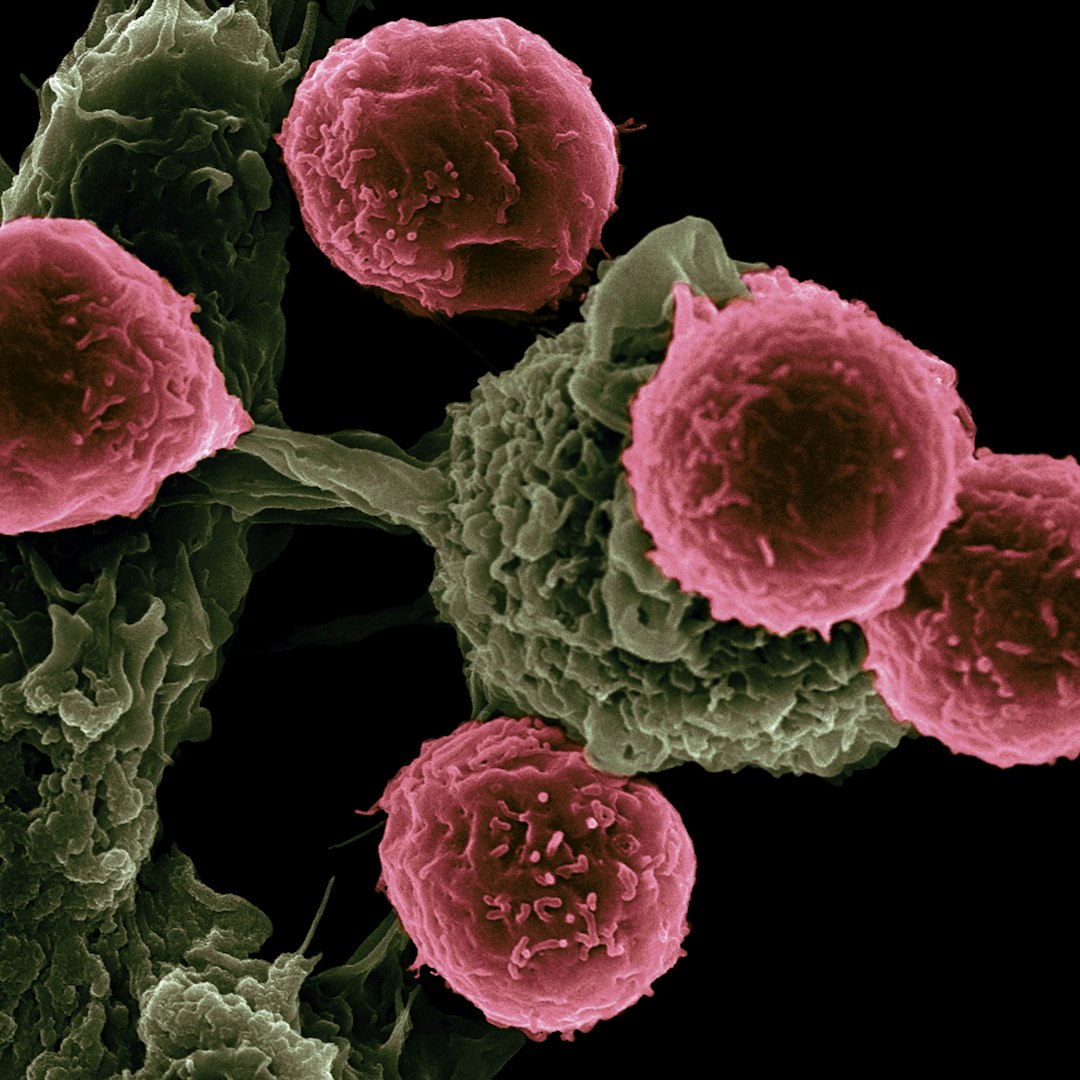
ومع ذلك، حققت دراسة رائدة نُشرت في مجلة "نيتشر" خطوة حاسمة نحو التغلب على هذا التحدي. استخدم الباحثون تقنية "Immunopeptidomics" لتحديد الببتيدات المشتقة من مستضدات البلازموديوم التي تقدمها جزيئات مستضد الكريات البيضاء البشرية من الفئة الأولى (HLA-I) على الخلايا الشبكية المصابة. أدى هذا النهج المبتكر إلى اكتشاف 453 ببتيدًا فريدًا، ترتبط بـ 166 بروتينًا مميزًا. والأهم من ذلك، تم تصنيف 75 من هذه المستضدات المحددة على أنها "بروتينات منزلية" (housekeeping proteins)، مما يعني أنها تُعبّر عنها بشكل مستمر عبر مراحل متعددة من دورة حياة الطفيلي ومحفوظة بدرجة عالية بين أنواع البلازموديوم المختلفة.
يُعد هذا الحفظ الشديد للمستضدات عاملاً رئيسيًا لتطوير لقاح واسع الطيف. كشفت الدراسة كذلك أن الببتيدات المتطابقة قُدمت في أفراد مختلفين بواسطة كل من أليلات HLA-A و HLA-B و HLA-C الكلاسيكية، وكذلك بواسطة أليل HLA-E غير الكلاسيكي. تُعد آلية العرض الواسعة هذه حيوية لكي يكون اللقاح فعالاً عبر المجموعات السكانية البشرية المتنوعة وراثيًا. يبني هذا البحث على النتائج السابقة التي أظهرت أن الخلايا الشبكية المصابة بالمتصورة النشيطة (P. vivax) تعبر عن HLA-I، مما يجعلها قابلة للتعرف والاستهداف بواسطة الخلايا التائية CD8+، وهي ضرورية للقضاء على الخلايا المصابة.
تم التحقق من قابلية هذه المستضدات المكتشفة حديثًا لإثارة الاستجابة المناعية (antigenicity) بدقة. أكدت العينات المأخوذة من أفراد مصابين بالمتصورة النشيطة (P. vivax) وأفراد مصابين بالمتصورة المنجلية (P. falciparum) على حد سواء، قدرة الجهاز المناعي على التعرف عليها. علاوة على ذلك، لوحظت استجابات قوية للخلايا التائية للعديد من هذه المستضدات في الدم والكبد لدى الرئيسيات غير البشرية بعد الإصابة الطبيعية بالبلازموديوم أو التحصين بالطفيليات الموهنة. والأكثر تبشيرًا، أن اثنين من هذه المستضدات نجحا في إحداث مناعة وقائية بوساطة الخلايا التائية CD8+ في نماذج القوارض، وهو مؤشر قوي على إمكاناتها العلاجية.
تمثل هذه النتائج قفزة نوعية في أبحاث لقاح الملاريا. من خلال تحديد مجموعة من المستضدات المحفوظة للغاية والمُحفزة للمناعة، والتي تثير استجابات قوية للخلايا التائية CD8+ وتوفر حماية شاملة للمراحل والأنواع المختلفة، فتح العلماء مسارًا جديدًا نحو تطوير لقاح ملاريا فعال حقًا. يمكن أن يوفر مثل هذا اللقاح مناعة أوسع وأكثر ديمومة من اللقاحات المرشحة الحالية، مما قد يغير مسار المعركة ضد هذا المرض المستمر والفتّاك على مستوى العالم.