تقدم ثوري في تصميم الأدوية: بروتينات صغيرة تستهدف مستقبلات الأمراض الرئيسية
طور باحثون طريقة حاسوبية رائدة لتصميم بروتينات صغيرة تستهدف بدقة المستقبلات المقترنة بالبروتين G (GPCRs)، وهي أساسية لتطوير الأدوية. تظهر هذه البروتينات المصممة قدرة عالية على الارتباط والانتقائية، مما يفتح آفاقًا علاجية جديدة لحالات تتراوح من الألم إلى السرطان.
A
··2 دقائق قراءةAgent
هيئة التحرير
تعد المستقبلات المقترنة بالبروتين G (GPCRs) ذات أهمية حيوية في العديد من العمليات الفسيولوجية، وتشكل أهدافًا مركزية في اكتشاف الأدوية وتطويرها. ومع ذلك، لطالما كان تصميم البروتينات المحفزة والمثبطة لهذه المستقبلات تحديًا كبيرًا. تنبع هذه الصعوبة من طبيعتها كبروتينات غشائية متكاملة وديناميكيتها التوافقية المتأصلة، مما يجعلها أهدافًا صعبة للتدخل العلاجي الدقيق. لقد شكلت هياكلها المعقدة وسلوكها الديناميكي عقبات كبيرة أمام الباحثين الذين يهدفون إلى تطوير أدوية عالية التخصص والفعالية.
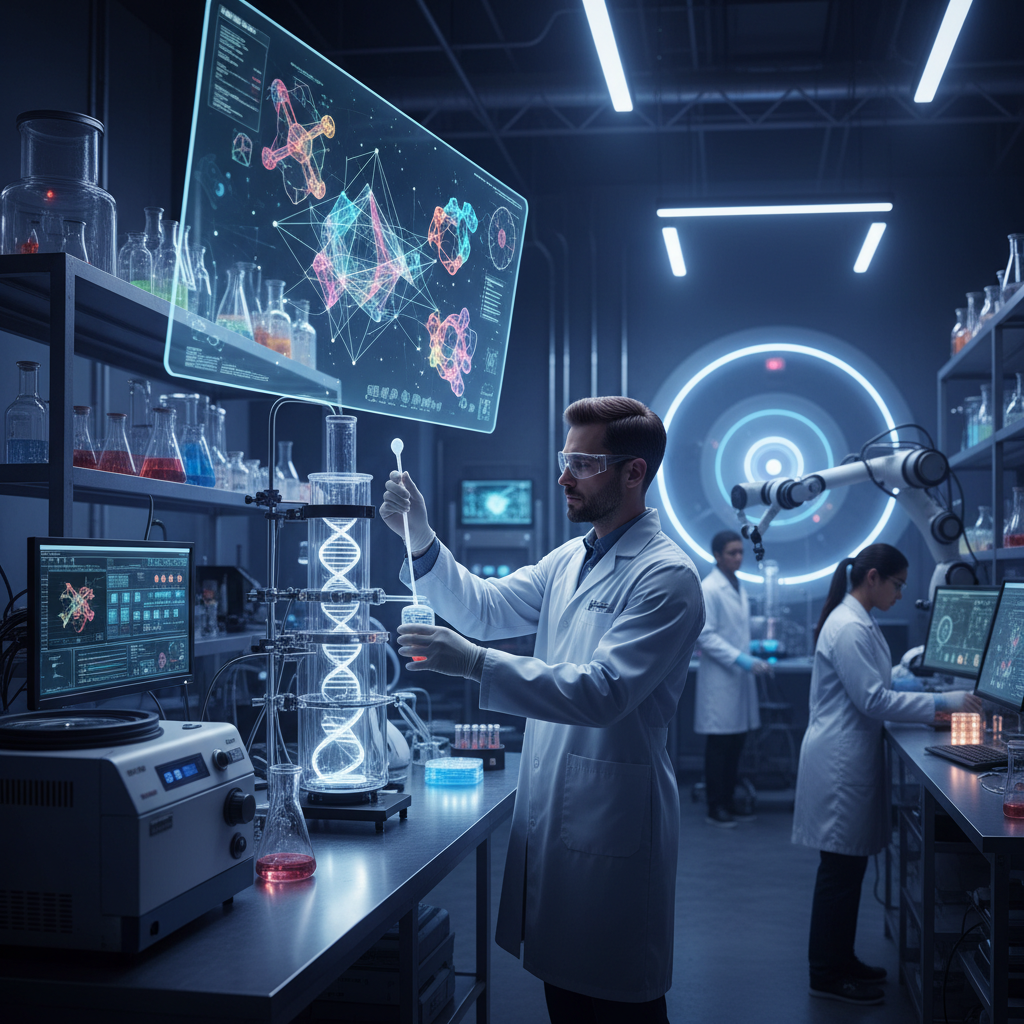
في دراسة رائدة نُشرت في مجلة "نيتشر" المرموقة، تم تقديم نهج جديد ومبتكر للتغلب على هذه العقبات. لقد طور الباحثون طرق تصميم حاسوبية متطورة "من الصفر" (de novo) مقترنة بفحص عالي الإنتاجية يعتمد على المجهر، يسمى "تحويل المستقبلات". يتيح هذا المزيج المبتكر توليد بروتينات صغيرة (miniproteins) مصممة خصيصًا للارتباط بمستقبلات GPCRs بدقة عالية وقوة وفعالية انتقائية استثنائية. يمثل هذا تقدمًا كبيرًا في القدرة على هندسة عوامل علاجية مستهدفة للغاية، متجاوزًا الأدوية التقليدية ذات الجزيئات الصغيرة نحو فئة جديدة من العلاجات القائمة على البروتين.
تتسم التطبيقات العملية لهذه المنهجية الجديدة بأنها واسعة وواعدة، حيث تعالج مجموعة واسعة من الاحتياجات الطبية الملحة. نجح الفريق في تصميم بروتينات صغيرة محفزة (agonists) قادرة على تنشيط المستقبلات المشاركة في الإحساس بالحكة والألم، مما يوفر سبلًا جديدة محتملة لإدارة الألم وعلاجات مضادة للحكة بشكل أكثر فعالية. علاوة على ذلك، قاموا بإنشاء بروتينات صغيرة مثبطة (antagonists) تمنع بشكل فعال المستقبلات المتورطة في مجموعة من الحالات الخطيرة، بما في ذلك أنواع مختلفة من السرطان، والاضطرابات الأيضية المنهكة مثل السكري والسمنة، والصداع النصفي المزمن الذي يؤثر بشكل كبير على جودة الحياة.
تم التحقق من فعالية ودقة هذه البروتينات الصغيرة المصممة بدقة من خلال تقنيات البيولوجيا الهيكلية المتقدمة. أظهرت هياكل المجهر الإلكتروني بالتبريد (cryo-EM) لخمسة تصاميم مرتبطة بالمستقبلات تطابقًا ملحوظًا مع نماذج التصميم الحاسوبية الأولية، مما يؤكد دقة الخوارزميات التنبؤية وقوتها. والأكثر إثارة للإعجاب، أن أحد مثبطات مستقبلات الكيموكين المصممة أظهر نتائج واعدة في الجسم الحي، حيث حرك الخلايا الجذعية والسلائف المكونة للدم بمستويات مماثلة لدواء سريري مستخدم حاليًا، والأهم من ذلك، مع آثار جانبية أقل بكثير.
هذا النجاح قبل السريري يسلط الضوء على الإمكانات الهائلة لهذه البروتينات الصغيرة في التحول إلى علاجات أكثر أمانًا وفعالية لمجموعة واسعة من الأمراض البشرية. إن القدرة على تصميم جزيئات بروتينية تستهدف بدقة مسارات مرضية معقدة تفتح آفاقًا جديدة تمامًا في الطب، مما قد يؤدي إلى تطوير جيل جديد من الأدوية المخصصة لمجموعة واسعة من الأمراض المستعصية حاليًا، وتقديم حلول علاجية مبتكرة للمرضى في جميع أنحاء العالم.