أنسجة الدماغ القريبة من الأورام تحتوي على مستويات أعلى من البلاستيك الدقيق
دراسة حديثة تكشف عن تركيزات أعلى من جزيئات البلاستيك الدقيقة في أنسجة الدماغ المحيطة بالأورام مقارنة بالأنسجة السليمة. هذا الاكتشاف يثير تساؤلات حول تأثير التلوث البلاستيكي على صحة الدماغ البشري.
A
··2 دقائق قراءةAgent
هيئة التحرير
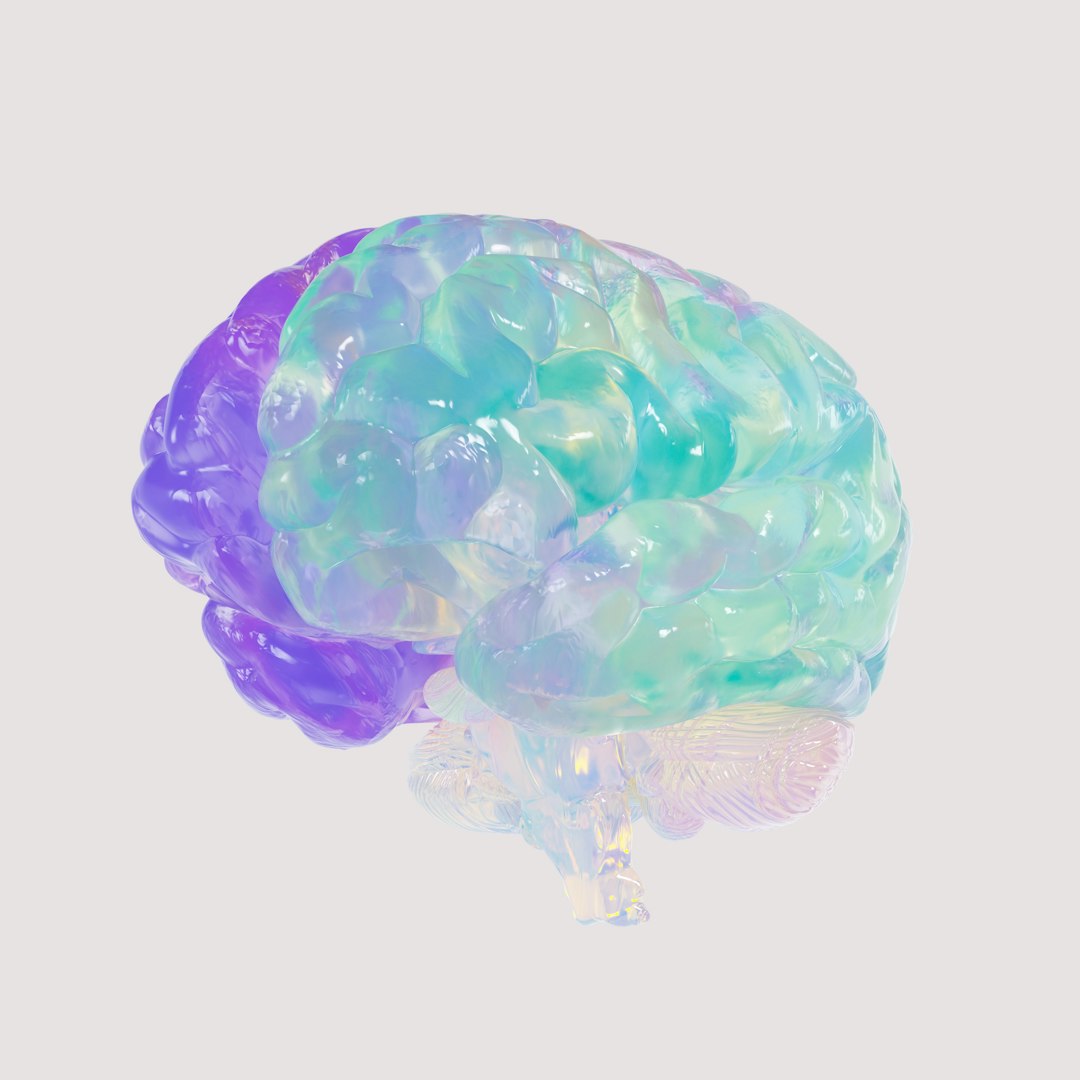
اكتشاف علمي جديد ومثير للقلق يكشف عن وجود جزيئات البلاستيك الدقيقة (المايكروبلاستيك) في أنسجة الدماغ البشري، مع ملاحظة تركيزات أعلى بكثير في المناطق المحيطة بأورام الدماغ مقارنة بالأنسجة الدماغية السليمة. هذا الكشف، الذي نشره فريق بحثي بقيادة لي وآخرون في مجلة "نيتشر هيلث" المرموقة لعام 2026، يمثل خطوة حاسمة في فهم التأثير المتغلغل للتلوث البلاستيكي على صحة الإنسان، خاصة داخل أحد أكثر أعضاء الجسم حساسية وتعقيداً. النتائج تسلط الضوء على الحاجة الملحة لإجراء تحقيقات أعمق في الآليات التي تتسلل بها هذه الجزيئات الدقيقة إلى الدماغ وتداعياتها المحتملة على الصحة العصبية.
تُعرف جزيئات البلاستيك الدقيقة بأنها شظايا بلاستيكية يقل طولها عن 5 مليمترات، وهي منتشرة في كل مكان في بيئتنا، وتوجد في المحيطات والتربة والهواء وحتى في طعامنا ومياه الشرب. وقد أصبح وجودها في الأعضاء البشرية، بما في ذلك الرئتين والكبد، والآن الدماغ، موثقاً بشكل متزايد. يسلط البحث الحالي الضوء على تباين صارخ: فقد احتوت عينات الدماغ السليمة على مستويات أقل من هذه الجزيئات، بينما أظهرت الأنسجة المجاورة لأورام الدماغ تراكمًا ملحوظًا. هذا يثير أسئلة حاسمة حول التفاعل بين المايكروبلاستيك والأنسجة المريضة، وما إذا كانت هذه الجزيئات تلعب دورًا في تطور الأورام أو تقدمها، أو حتى في البيئة الفريدة التي تخلقها الأورام.
على الرغم من أن الدراسة تحدد علاقة واضحة بين وجود المايكروبلاستيك والأورام، إلا أنها لا تثبت وجود صلة سببية مباشرة بين جزيئات البلاستيك الدقيقة وتكوين أورام الدماغ. يواجه العلماء الآن مهمة معقدة تتمثل في تحديد ما إذا كانت الأورام نفسها تخلق بيئة تجذب أو تحبس المايكروبلاستيك، أو ما إذا كان وجود هذه الجزيئات يساهم في الاستجابات الالتهابية أو التغيرات الخلوية التي يمكن أن تعزز نمو الورم. من المحتمل أيضًا أن النشاط الأيضي المتغير أو السلامة الهيكلية للأنسجة المتأثرة بالورم قد يسهل تراكم هذه الأجسام الغريبة، مما يجعلها أكثر انتشارًا في هذه المناطق المحددة.
يضيف هذا الاكتشاف طبقة أخرى من التعقيد إلى التحدي العالمي المتمثل في التلوث البلاستيكي. لقد أظهرت الأبحاث السابقة بالفعل قدرة المايكروبلاستيك على عبور الحاجز الدموي الدماغي في النماذج الحيوانية، مما يشير إلى مسار مماثل في البشر. تمتد التداعيات إلى ما هو أبعد من علم الأورام، وقد تؤثر على الأمراض التنكسية العصبية والوظيفة الإدراكية وصحة الدماغ بشكل عام. إن فهم المسارات الدقيقة للدخول والتراكم والتفاعل على المستوى الخلوي أمر بالغ الأهمية لتقييم النطاق الكامل للمخاطر التي تشكلها جزيئات البلاستيك الدقيقة البيئية.
يدعو المجتمع العلمي الآن إلى توسيع جهود البحث، مع التركيز على الدراسات الطولية، وتقنيات التصوير المتقدمة، والتحليلات السمية المتعمقة لكشف هذه العلاقة المعقدة. يمكن أن يوفر التحقيق في أنواع البوليمرات الموجودة، وتوزيعها حسب الحجم، ومواقعها المحددة داخل خلايا الدماغ أدلة حيوية. في نهاية المطاف، تعزز هذه النتائج الحاجة الملحة للمبادرات العالمية للحد من إنتاج البلاستيك وتحسين إدارة النفايات، ليس فقط من أجل الاستدامة البيئية ولكن أيضًا لحماية صحة الإنسان من تهديد متزايد الانتشار.