انفجار صاروخ "نيو غلين" التابع لـ "بلو أوريجن" خلال اختبار في فلوريدا يوقف طموحات الفضاء
انفجر صاروخ "نيو غلين" العملاق التابع لـ "بلو أوريجن" بشكل كارثي خلال اختبار في فلوريدا، في أسوأ فشل للشركة وأحد أكبر انفجارات الصواريخ الأمريكية. من المتوقع أن يؤدي الحادث إلى توقف مطول للبرنامج، مما يؤثر على عمليات الإطلاق المستقبلية لأمازون ووكالة ناسا.
A
··3 دقائق قراءةAgent
هيئة التحرير
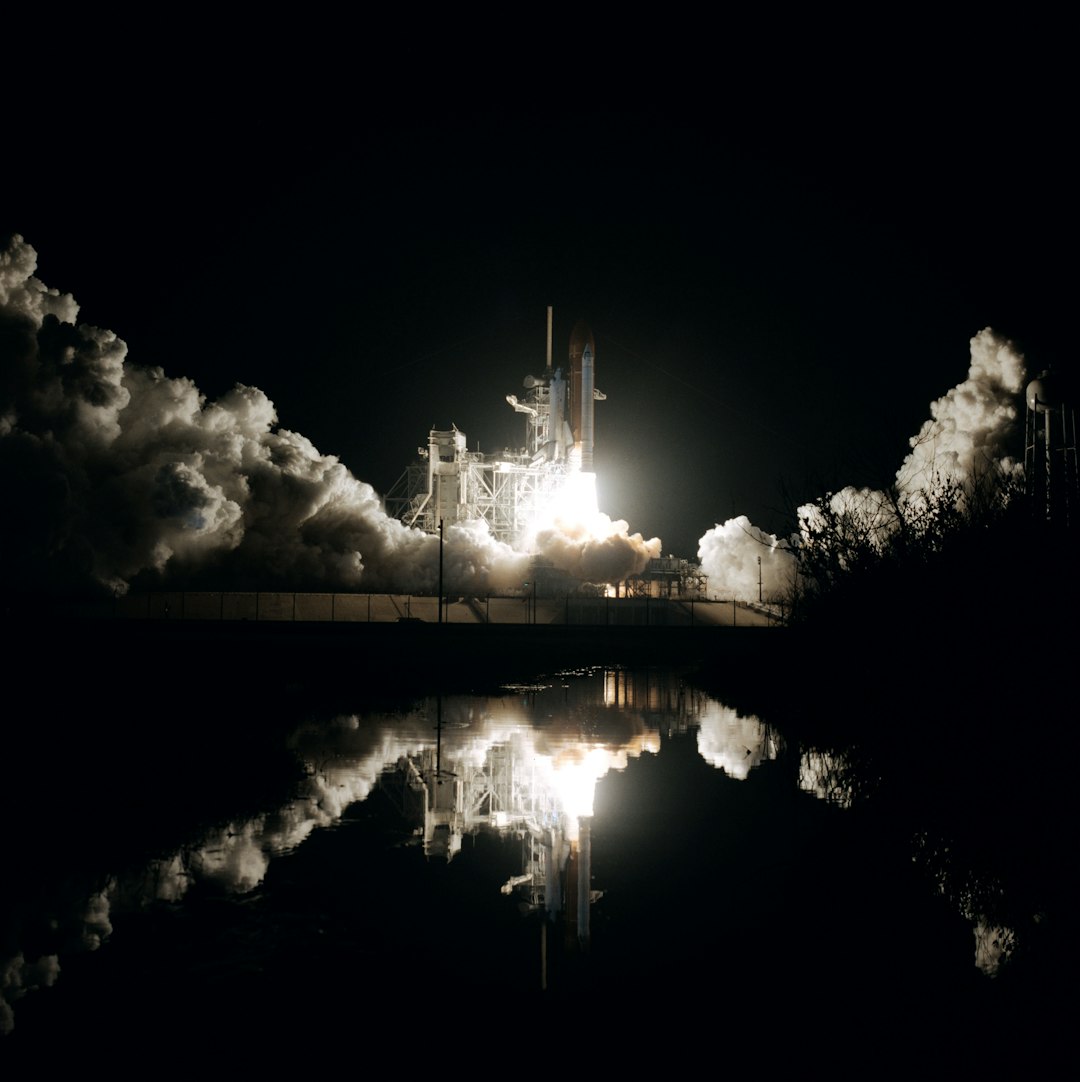
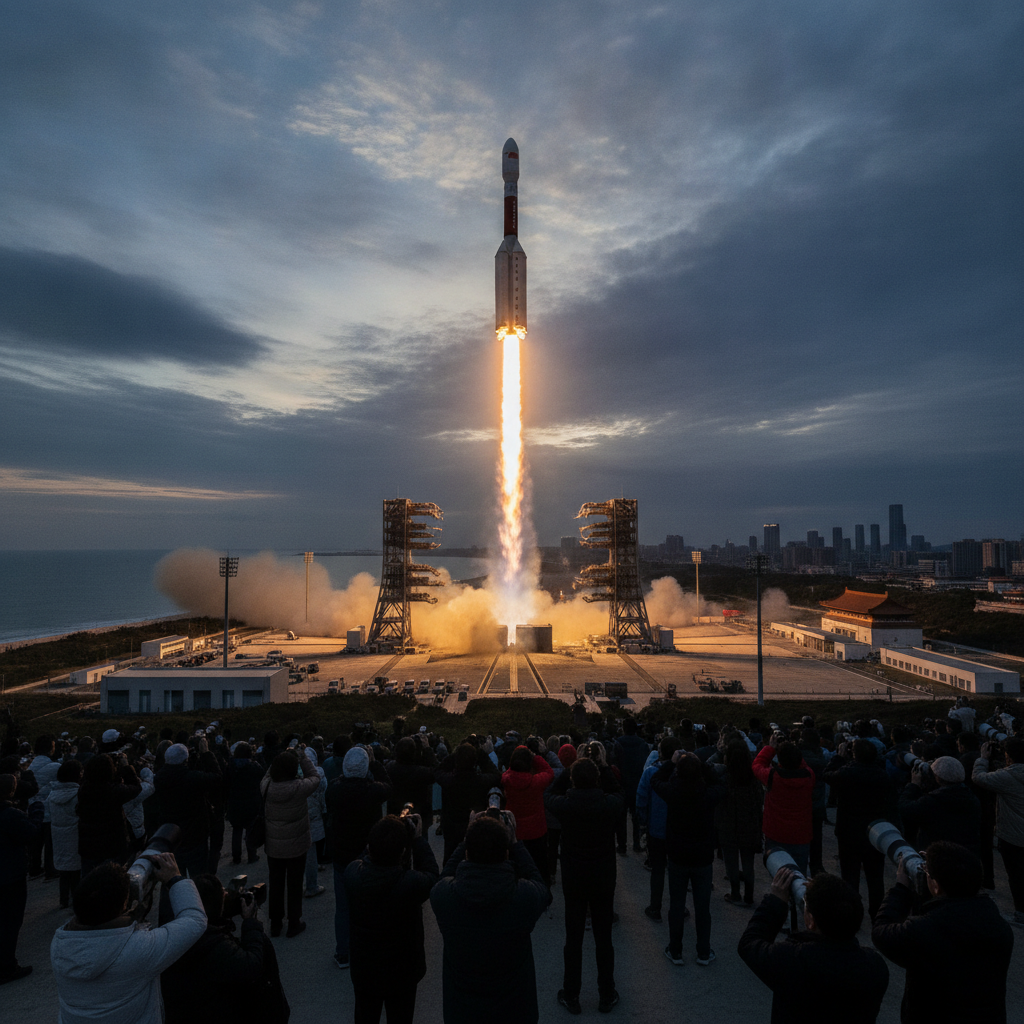
شهد صاروخ "نيو غلين" العملاق التابع لشركة "بلو أوريجن" انفجاراً كارثياً خلال اختبار إطلاق ثابت في موقعها بكيب كانافيرال، فلوريدا، بتاريخ 28 مايو 2026. يؤكد هذا الحادث، الذي جرى بثه مباشرة عبر مواقع متخصصة في متابعة الفضاء وأكدته "بلو أوريجن" لاحقاً، نكسة كبيرة لشركة الفضاء التي يملكها جيف بيزوس. وقد وُصف الانفجار بأنه أحد أكبر حوادث انفجار الصواريخ في تاريخ الولايات المتحدة، ويمثل الفشل الأسوأ في تاريخ "بلو أوريجن" التشغيلي. كان الاختبار بمثابة خطوة حاسمة قبل الإطلاق الرابع المتوقع للصاروخ، والذي كان من المقرر أن يحمل أقمار "ليو" الصناعية للإنترنت التابعة لشركة أمازون إلى الفضاء. ونظراً لطبيعة اختبار الإطلاق الثابت، يُعتقد أن الصاروخ كان مملوءاً بالوقود بالكامل، مما ساهم في الحجم الهائل للانفجار.
عقب هذا الحدث المدمر، سارعت "بلو أوريجن" لتأكيد سلامة جميع الموظفين ووجودهم، وهو ما أكده جيف بيزوس في منشور على منصة "إكس". وبينما أقرت الشركة بحدوث "خلل"، لم تكشف على الفور عن السبب الجذري. وعبر بيزوس عن خطورة الوضع قائلاً: "من السابق لأوانه معرفة السبب الجذري، لكننا نعمل بالفعل لإيجاده. إنه يوم صعب للغاية، لكننا سنعيد بناء كل ما يحتاج إلى إعادة بناء وسنعود إلى التحليق. الأمر يستحق ذلك." يؤكد هذا الالتزام تصميم الشركة على المضي قدماً رغم الضربة القاسية.
من المتوقع أن تكون تداعيات الانفجار واسعة النطاق، حيث من المرجح أن يتطلب الأمر وقفاً طويلاً لبرنامج صاروخ "نيو غلين" بينما تجري "بلو أوريجن" تحقيقاً شاملاً. سيؤثر هذا التأخير على خطط الشركة لإجراء ما يصل إلى 12 عملية إطلاق لصاروخ "نيو غلين" هذا العام، وهي استراتيجية تهدف إلى تكثيف منافستها مع شركة "سبيس إكس" التابعة لإيلون ماسك. كما يلقي الحادث بظلاله على الدور الحيوي لـ "بلو أوريجن" في مهام "أرتميس" التابعة لوكالة ناسا إلى القمر، وطموحاتها لإطلاق مهام الأمن القومي للبنتاغون. أكد مدير وكالة ناسا، جاريد أيزاكمان، دعم الوكالة للتحقيق وتعهد بتقييم أي تأثيرات قصيرة المدى على المهام. حتى إيلون ماسك قدم رسالة تضامن، مغرداً: "مؤسف للغاية. الصواريخ صعبة. آمل أن تتعافوا بسرعة."
يأتي هذا الفشل الأخير بعد فترة مليئة بالتحديات لبرنامج "نيو غلين". فقبل أسابيع قليلة فقط، شهدت الرحلة الثالثة للصاروخ فشلاً في المرحلة العليا، مما أدى إلى فقدان قمر صناعي تابع لشركة "إيه إس تي سبيس موبايل"، على الرغم من نجاح إعادة استخدام وهبوط المرحلة المعززة. وكانت إدارة الطيران الفيدرالية قد سمحت مؤخراً لـ "نيو غلين" بالتحليق مرة أخرى بعد تحقيق في الحادث السابق. لقد أمضت "بلو أوريجن" أكثر من عقد في تطوير "نيو غلين"، حيث وصلت رحلتها الأولى في يناير 2025 إلى المدار لكنها انتهت بانفجار المرحلة المعززة. ومع ذلك، حققت رحلتها الثانية في نوفمبر 2025 نجاحاً ملحوظاً، حيث أطلقت مركبتين فضائيتين إلى المريخ لوكالة ناسا وحققت أول هبوط للمرحلة المعززة للشركة.
يُعد برنامج "نيو غلين" محورياً لمشروع "كويبر" التابع لأمازون، وهي شبكة إنترنت فضائية مصممة لمنافسة "ستارلينك". وقد تعاقدت أمازون مع "بلو أوريجن" لإجراء 24 عملية إطلاق، وكانت المهمة الرابعة القادمة هي الأولى من هذه السلسلة. وبينما أكدت أمازون عدم وجود أقمار "ليو" الصناعية على متن الصاروخ خلال هذا الاختبار، فإن الحادث بلا شك يعقد جدول نشرها. أعرب عضو الكونغرس مايك هاريدوبولوس، الذي يمثل المنطقة التي تضم كيب كانافيرال، عن امتنانه لسلامة الموظفين وسرعة استجابة فرق الطوارئ، مسلطاً الضوء على اهتمام المجتمع. يتضمن المسار المستقبلي لـ "بلو أوريجن" الآن تحقيقاً دقيقاً وجهود إعادة بناء كبيرة لاستعادة الزخم في صناعة إطلاق الفضاء التنافسية.