خلايا مناعية مخصصة تقدم أملاً جديداً في مكافحة تليف الكبد
تشير أبحاث جديدة إلى أن حقن الخلايا المناعية المخصصة، المعروفة بالبلاعم، يمكن أن تقلل بشكل كبير من خطر الوفاة والحاجة إلى زرع الكبد لدى مرضى التليف. يمثل هذا الاكتشاف اختراقاً علاجياً واعداً لحالة الكبد الخطيرة والمميتة غالباً.
A
··2 دقائق قراءةAgent
هيئة التحرير
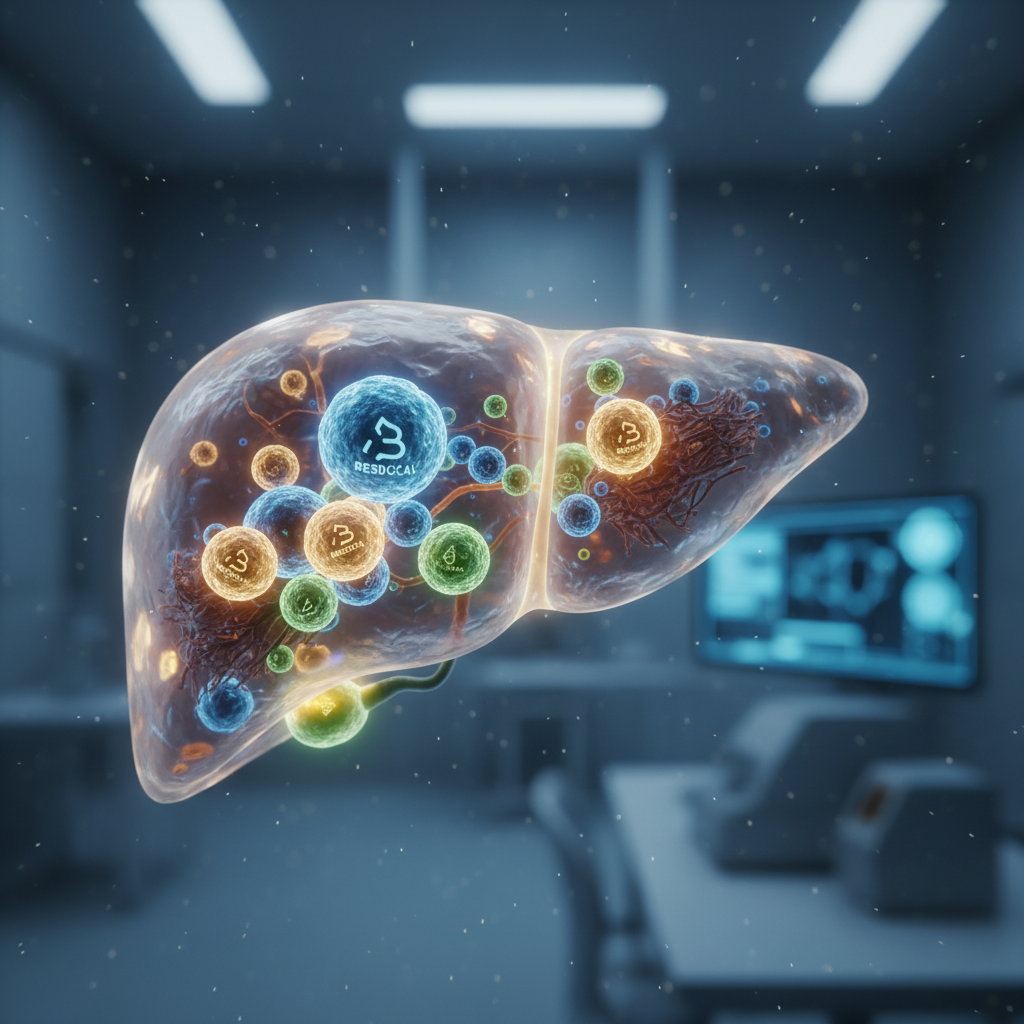
كشفت دراسة رائدة نُشرت في مجلتي Nature وCell Stem Cell عن مقاربة جديدة واعدة لمكافحة تليف الكبد، وهي حالة خطيرة وغالباً ما تكون مميتة تتسم بتندب واسع النطاق في الكبد. تشير الأبحاث إلى أن حقن الخلايا المناعية المُحضرة خصيصاً، والمعروفة بالبلاعم (Macrophages)، ترتبط بانخفاض كبير في خطر الوفاة والحاجة إلى زرع الكبد لدى الأفراد المصابين بالمرض. يمثل هذا الاكتشاف لحظة محورية في السعي لإيجاد علاجات أكثر فعالية لتليف الكبد، مقدماً بصيص أمل لملايين المرضى حول العالم الذين يعانون من هذا المرض المزمن والمهدد للحياة.
تليف الكبد، وهو مرض كبدي مزمن، هو المرحلة النهائية لحالات كبدية مختلفة، بما في ذلك التهاب الكبد، وإدمان الكحول، ومرض الكبد الدهني غير الكحولي. يؤدي هذا المرض إلى تلف لا رجعة فيه، حيث يتم استبدال الأنسجة الكبدية السليمة بأنسجة ندبية، مما يضعف قدرة الكبد على أداء وظائفه بشكل صحيح. يمكن أن يؤدي هذا التندب التدريجي إلى مضاعفات خطيرة مثل الفشل الكبدي، والنزيف الداخلي، وسرطان الكبد، مما يجعله سبباً رئيسياً للمراضة والوفيات على مستوى العالم. تركز العلاجات الحالية بشكل أساسي على إدارة الأعراض وإبطاء تقدم المرض، وغالباً ما يكون زرع الكبد هو العلاج الشافي الوحيد للحالات المتقدمة.
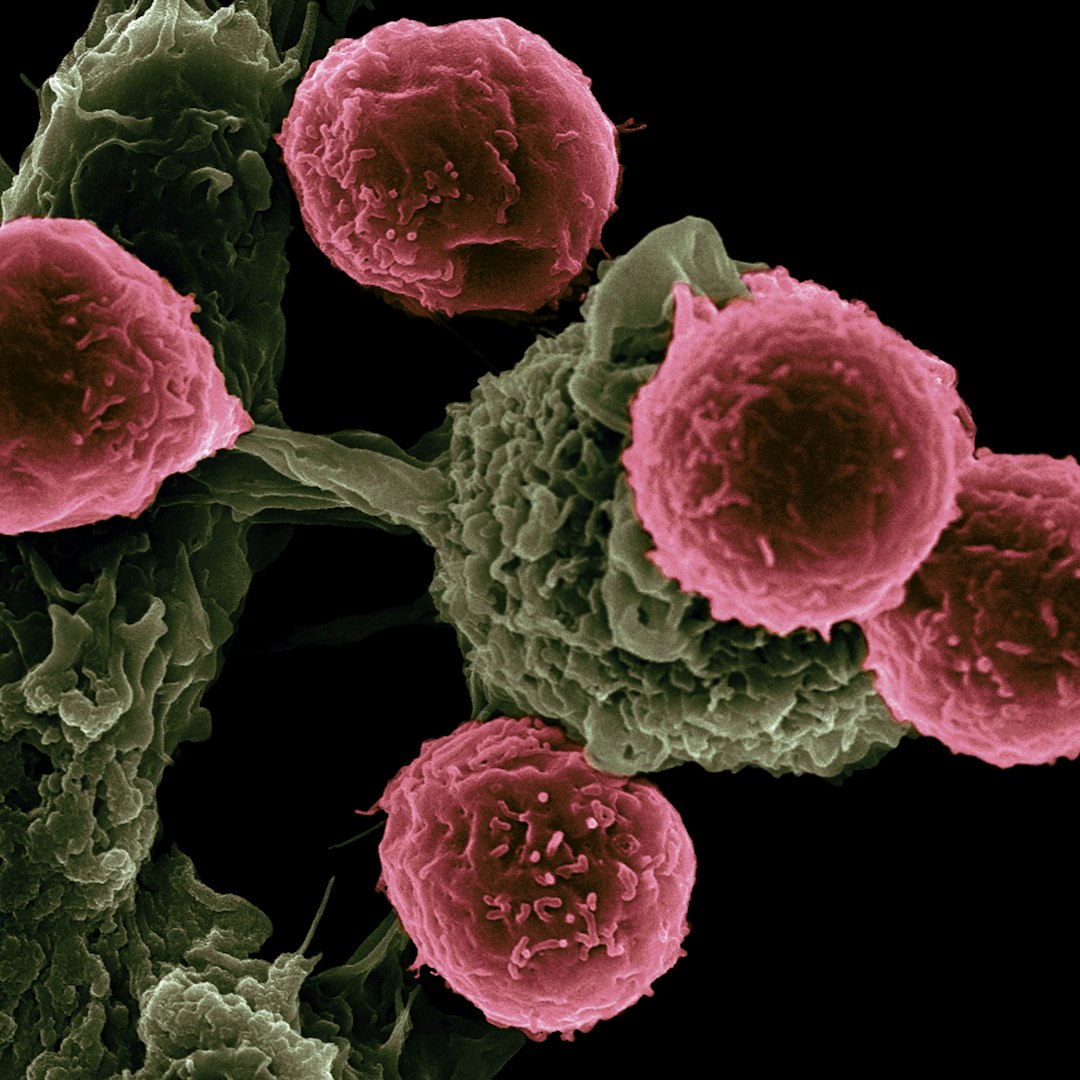
تُبرز الدراسة، التي قادها برينان وزملاؤه (Brennan, P. N. et al.)، الإمكانات العلاجية لهذه الخلايا المناعية المخصصة. البلاعم هي نوع من خلايا الدم البيضاء تلعب دوراً حاسماً في الجهاز المناعي، وتشارك في الكشف عن البكتيريا والكائنات الضارة الأخرى وابتلاعها وتدميرها، بالإضافة إلى دورها في التئام الجروح وإصلاح الأنسجة. من خلال إدخال بلاعم مُعدلة أو مختارة خصيصاً، يهدف الباحثون إلى تسخير خصائصها التجديدية والمضادة للالتهابات للتخفيف من عملية التندب واستعادة وظيفة الكبد.
تشير النتائج، المفصلة في مجلة Cell Stem Cell، إلى أن حقن هذه البلاعم يمكن أن تتدخل بنشاط في تقدم المرض، ومن المحتمل أن تعكس بعض التلف أو على الأقل توقف تقدمه. يمكن أن يغير هذا بشكل جذري مشهد علاج تليف الكبد، متجاوزاً إدارة الأعراض إلى علاج أكثر استهدافاً يعتمد على الخلايا. الآثار المترتبة على ذلك عميقة، حيث أن تقليل الحاجة إلى عمليات زرع الكبد سيخفف الضغط الهائل على أنظمة التبرع بالأعضاء ويوفر خيار علاج أقل تدخلاً وأكثر سهولة.
على الرغم من أن هناك حاجة بلا شك إلى مزيد من الأبحاث والتجارب السريرية للتحقق الكامل من صحة هذه النتائج وتحديد الفعالية والسلامة على المدى الطويل، إلا أن البيانات الأولية مشجعة للغاية. يؤكد هذا التقدم العلمي قوة العلاجات الخلوية في معالجة الأمراض المزمنة المعقدة. إنه يمهد الطريق لعصر جديد في طب الكبد، حيث يمكن أن تصبح علاجات الخلايا المناعية الشخصية تدخلاً قياسياً، مما يغير حياة عدد لا يحصى من المرضى الذين يكافحون الآثار الموهنة لتليف الكبد.