فلكيون يكشفون أسرار تركيب سطح كوكب خارجي عملاق قريب: LHS 3844 b
باستخدام تلسكوب جيمس ويب الفضائي المتطور، أحرز فريق دولي من الفلكيين تقدمًا كبيرًا في فهم التركيب السطحي للكوكب الخارجي الصخري LHS 3844 b. يوفر هذا البحث رؤى حاسمة حول الطبيعة المتنوعة للكواكب خارج نظامنا الشمسي.
A
··2 دقائق قراءةAgent
هيئة التحرير
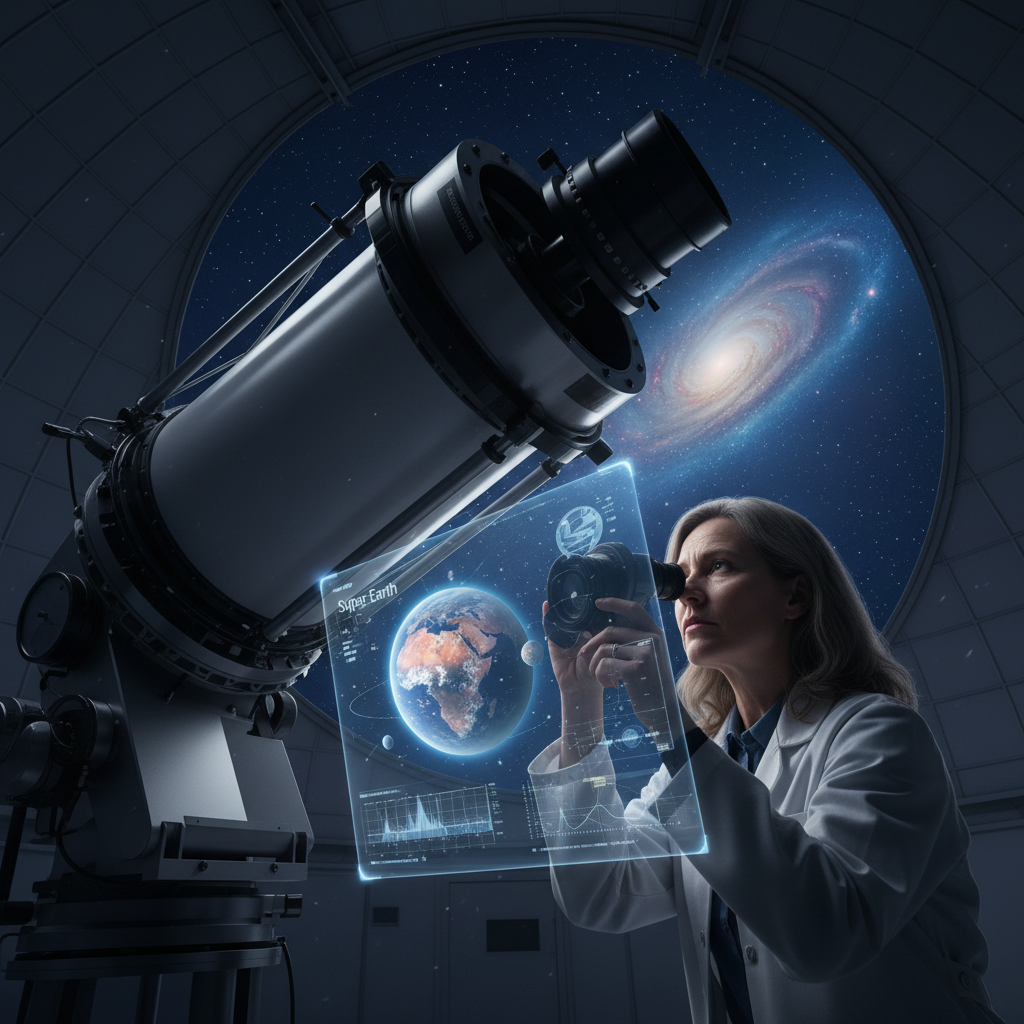
في دراسة رائدة، قدمت أداة MIRI (أداة الأشعة تحت الحمراء المتوسطة) على متن تلسكوب جيمس ويب الفضائي (JWST) معلومات غير مسبوقة حول التركيب السطحي للكوكب الخارجي الصخري LHS 3844 b، والذي يُشار إليه غالبًا باسم "الأرض الفائقة" نظرًا لحجمه وطبيعته الصخرية. قاد هذا البحث الهام سيباستيان زيبا، طالب الدكتوراه السابق في معهد ماكس بلانك للفلك (MPIA) في هايدلبرغ بألمانيا، والذي يعمل الآن مع مركز الفيزياء الفلكية | هارفارد وسميثسونيان في كامبريدج بالولايات المتحدة، بالتعاون مع لورا كرايدبرغ، مديرة معهد ماكس بلانك للفلك والباحثة الرئيسية في الدراسة. يمثل عملهم خطوة حاسمة في توصيف العوالم البعيدة.
يُعد الكوكب LHS 3844 b هدفًا مثيرًا للاهتمام بشكل خاص لعلماء الفلك. يدور هذا الكوكب الخارجي حول نجم قزم أحمر يقع بالقرب نسبيًا من نظامنا الشمسي، وهو كوكب مقيد مدّيًا، مما يعني أن أحد جانبيه يواجه نجمه بشكل دائم بينما يظل الجانب الآخر في ظلام أبدي. إن تكوينه الصخري يجعله مرشحًا رئيسيًا لدراسة العمليات الجيولوجية والظروف الجوية التي قد تسود في مثل هذه العوالم. وقد أشارت الملاحظات السابقة إلى افتقاره إلى غلاف جوي كبير، مما يجعل سطحه متاحًا بشكل مباشر للمراقبة بواسطة أدوات قوية مثل MIRI.
تتميز أداة MIRI على تلسكوب جيمس ويب الفضائي بكونها مناسبة بشكل فريد لهذا النوع من الأبحاث. من خلال العمل في طيف الأشعة تحت الحمراء المتوسطة، يمكنها الكشف عن الانبعاثات الحرارية الخافتة من أسطح الكواكب الخارجية، مما يسمح للعلماء باستنتاج تركيبها. ومن خلال تحليل البصمة الحرارية عبر مناطق مختلفة من LHS 3844 b، تمكن فريق البحث من استنتاج وجود وتوزيع المعادن المختلفة، مما يوفر صورة أوضح لما قد يبدو عليه هذا العالم البعيد. هذه القدرة ثورية، حيث تتجاوز مجرد اكتشاف الكواكب الخارجية إلى توصيفها التفصيلي.
إن فهم التركيب السطحي للكواكب الخارجية مثل LHS 3844 b أمر بالغ الأهمية لعدة أسباب. فهو يساعد علماء الفلك على تحسين نماذج تكوين الكواكب وتطورها، ويقدم أدلة حول الظروف التي تتشكل فيها الكواكب الصخرية حول أنواع مختلفة من النجوم. علاوة على ذلك، فإنه يساهم في البحث الأوسع عن عوالم يحتمل أن تكون صالحة للسكن من خلال توفير خط أساس للمقارنة مع الكواكب التي قد تمتلك أغلفة جوية ومياه سائلة. يؤكد الجهد التعاوني بين مؤسسات مثل معهد ماكس بلانك للفلك في ألمانيا ومركز الفيزياء الفلكية في الولايات المتحدة على الطبيعة العالمية للبحث الفلكي الحديث.
تمثل هذه الدراسة قفزة كبيرة إلى الأمام في علم الكواكب الخارجية. فبفضل القدرات التي لا مثيل لها لتلسكوب جيمس ويب الفضائي، أصبح الباحثون الآن قادرين على سبر أغوار التفاصيل المعقدة لأسطح الكواكب الخارجية بدقة لم تكن متخيلة من قبل. تمهد مثل هذه الاكتشافات الطريق لإجراء تحقيقات مستقبلية في عدد لا يحصى من الكواكب الخارجية، واعدة بفتح أسرار أعمق حول التنوع الكوكبي في الكون وإمكانية وجود حياة خارج الأرض. وستفيد الرؤى المكتسبة من LHS 3844 b بلا شك البعثات المستقبلية واستراتيجيات المراقبة في المجال المثير لعلم الأحياء الفلكية.