فلكيون يكتشفون كواكب عملاقة 'منتفخة للغاية' أخف من غزل البنات
اكتشف علماء الفلك زوجًا من الكواكب الخارجية بحجم المشتري، تُعرف باسم "الكواكب المنتفخة للغاية"، وهي أخف بشكل مذهل من غزل البنات، مما يتحدى النظريات الحالية لتكون الكواكب. يعد هذا الاكتشاف الفريد بتعميق فهمنا للطبيعة المتنوعة للأنظمة الكوكبية.
A
··3 دقائق قراءةAgent
هيئة التحرير
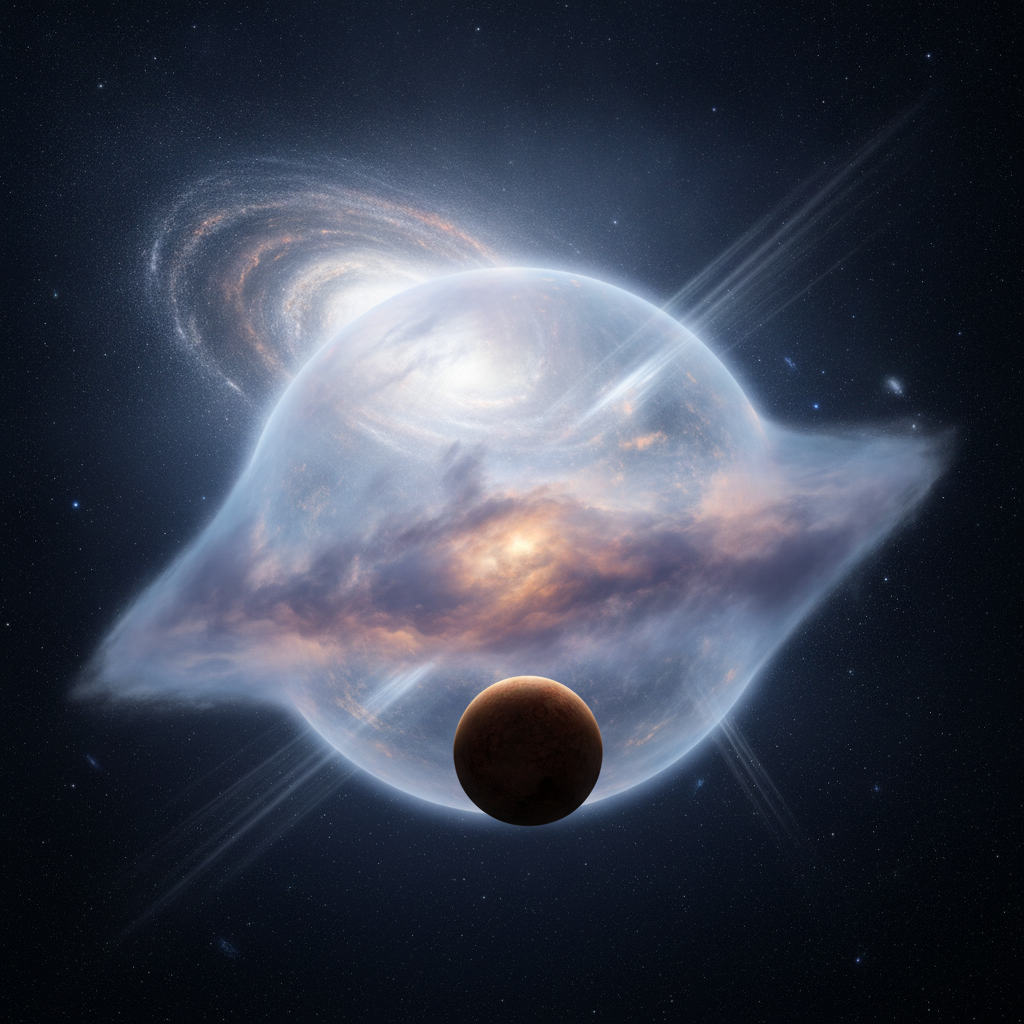
كشف علماء الفلك مؤخرًا عن اكتشاف آسر، حيث حددوا زوجًا من الكواكب الخارجية العملاقة التي تتحدى الفهم التقليدي لكثافة الكواكب وتكوينها. هذه الأجرام السماوية، التي يطلق عليها الآن "الكواكب المنتفخة للغاية" (super-puffs)، تتميز بحجمها الهائل، الذي يضاهي حجم كوكب المشتري، ومع ذلك تمتلك كثافة منخفضة بشكل مذهل، مما يجعلها أخف حرفيًا من غزل البنات. هذا الاكتشاف الرائد يتحدى النظريات القديمة حول تكون الكواكب وتطورها، ويفتح آفاقًا جديدة ومثيرة لعلماء الفيزياء الفلكية لاستكشاف الطبيعة المتنوعة والمحيرة لأنظمة الكواكب الخارجية في جميع أنحاء الكون.
الاسم "الكواكب المنتفخة للغاية" يجسد تمامًا الطبيعة الغامضة لهذه العوالم. على عكس العمالقة الغازية في نظامنا الشمسي، التي تصبح أكثر كثافة مع زيادة الكتلة، تُظهر هذه الكواكب المكتشفة حديثًا بنية منتشرة ومتوسعة بشكل لا يصدق. لتصور غرابتها، تخيل كوكبًا بقطر المشتري الشاسع، ولكن بكتلة ضئيلة جدًا لدرجة أن متوسط كثافته يقل عن جرام واحد لكل سنتيمتر مكعب – وهي خاصية أقرب إلى سحابة رقيقة أو حلوى سكرية منها إلى جسم كوكبي نموذجي. تشير هذه الخفة الشديدة بقوة إلى وجود غلاف جوي واسع ومنتفخ للغاية يشكل الغالبية العظمى من حجمها الهائل، مما يترك العلماء يتساءلون عن الآليات الفيزيائية الفريدة التي يمكن أن تؤدي إلى مثل هذا التكوين الاستثنائي.
يشكل وجود هذه الكواكب "الخفيفة كغزل البنات" لغزًا كبيرًا ومثيرًا للاهتمام للمجتمع العلمي. تكافح النماذج النظرية الحالية لتكون الكواكب وديناميكيات الغلاف الجوي لتفسير كيفية احتفاظ عوالم بهذا الحجم الهائل بمثل هذه الكثافة المنخفضة بشكل لا يصدق على مدى فترات زمنية فلكية. يتم حاليًا استكشاف العديد من الفرضيات المقنعة: إحدى النظريات تفترض أن الإشعاع النجمي المكثف من نجومها المضيفة قد تسبب في تضخم غلافها الجوي بشكل كبير، دافعًا إياه للخارج ضد الجاذبية. نظرية أخرى تشير إلى أنها قد تمتلك تركيبات جوية فريدة، ربما تهيمن عليها عناصر خفيفة للغاية أو عمليات كيميائية معقدة تساهم في طفوها وتوسعها بشكل عام. احتمال ثالث يتعلق ببيئة تكوينها، مما يشير إلى أنها ربما تكون قد راكمت كميات هائلة من المواد المنتشرة في أقراص كوكبية أولية غنية بالغاز بشكل خاص دون أن تضغط بشكل كبير.
يعتمد اكتشاف هذه الكواكب المنتفخة للغاية المراوغة على تقنيات فلكية متطورة، وفي المقام الأول طريقة العبور (transit method). تتضمن هذه الطريقة ملاحظة التعتيم الطفيف والدوري لضوء نجم بعيد عندما يمر كوكب أمامه مباشرة. من خلال التحليل الدقيق لمدة وعمق هذه العبورات، يمكن لعلماء الفلك تحديد حجم الكوكب بدقة. تسمح الملاحظات التكميلية، التي غالبًا ما تستخدم طريقة السرعة الشعاعية (radial velocity method)، للعلماء بقياس سحب الجاذبية للكوكب على نجمه، وبالتالي حساب كتلته. يتيح الجمع بين هذه القياسات الدقيقة للحجم والكتلة بعد ذلك حساب الكثافة المنخفضة بشكل ملحوظ للكوكب. وبالتالي، فإن هذا الزوج من الكواكب المنتفخة للغاية يمثل شهادة على قوة ودقة التلسكوبات الفضائية المتقدمة والمراصد الأرضية في الكشف عن عجائب الكون الخفية.
يؤكد اكتشاف هذه الكواكب بحجم المشتري، الأخف من غزل البنات، بشكل عميق على التنوع الملحوظ والتقلب غير المتوقع للكواكب الخارجية خارج نظامنا الشمسي. إنه يجبر العلماء على إعادة تقييم وتعديل فهمهم الأساسي لكيفية تكون الكواكب وتطورها وتفاعلها مع بيئاتها النجمية. مع استمرار الباحثين في استكشاف الكون بأدوات أكثر قوة وحساسية، تعد الاكتشافات مثل هذه بفتح رؤى أعمق في العمليات الأساسية التي تحكم إنشاء وخصائص الأنظمة الكوكبية عبر الامتداد الشاسع للكون، دافعة باستمرار حدود معرفتنا الكونية وملهمة الأجيال القادمة من المستكشفين.