مع إعادة تشكيل الذكاء الاصطناعي لأنظمة الطاقة العالمية، ملبورن تقود عبر التعاون الهندسي
يقود الذكاء الاصطناعي تحولاً جذرياً في الطلب العالمي على الكهرباء، مما يشكل تحدياً نظامياً حالياً لأنظمة الطاقة. تبرز ملبورن، أستراليا، كقائد عالمي، معززة التعاون الهندسي لتصميم حلول طاقة ديناميكية قادرة على التوسع مع التوسع السريع للذكاء الاصطناعي.
A
··3 دقائق قراءةAgent
هيئة التحرير
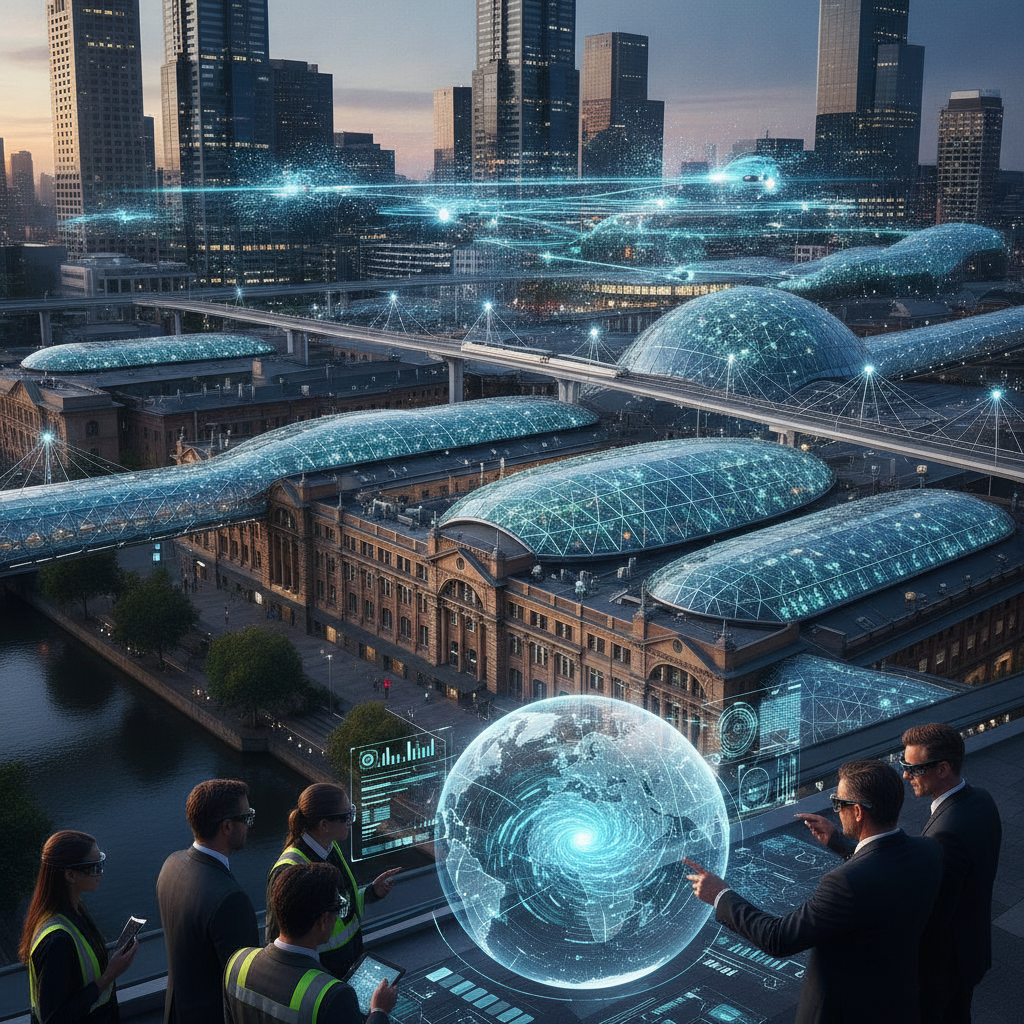
مع التسارع الهائل للذكاء الاصطناعي في دفع الطلب العالمي على القدرة الحاسوبية، يبرز قيد موازٍ بنفس القدر من الإلحاح: الطاقة. فمن مراكز البيانات العملاقة إلى الصناعات التي تعتمد بشكل متزايد على الكهرباء، يقود الذكاء الاصطناعي تحولًا جذريًا في الطلب على الكهرباء. هذا ليس تحديًا مستقبليًا، بل هو قضية نظامية قائمة تتطلب عملًا منسقًا عبر قطاعات الطاقة والبنية التحتية والهندسة. حول العالم، لم يعد السؤال ما إذا كان الذكاء الاصطناعي سيتوسع، بل ما إذا كانت أنظمة الطاقة قادرة على التوسع معه، وهو ما يضع ضغطًا هائلاً على الموارد والبنى التحتية الحالية.
طموح أستراليا للريادة في مجال الذكاء الاصطناعي يركز بشكل حاد على البنية التحتية اللازمة لدعمه. من المتوقع أن تستحوذ مراكز البيانات وحدها على ما يصل إلى 11 بالمائة من استهلاك الكهرباء في البلاد بحلول عام 2035، مما يضع ضغطًا متزايدًا على توليد الطاقة ونقلها وموثوقية النظام. في الوقت نفسه، تسلط رؤى من جمعية الطاقة والطاقة التابعة لـ IEEE (PES) الضوء على أن تلبية الطلب على الطاقة من الذكاء الاصطناعي والبنية التحتية الرقمية يمثل أحد أهم التحديات التي تواجه المهندسين على مدى العقد المقبل. الآثار واضحة: بالإضافة إلى تحديات الحوسبة، يفرض الذكاء الاصطناعي تحديات كبيرة على أنظمة الطاقة تتطلب حلولاً مبتكرة وسريعة.
في خضم هذا التحدي العالمي، تتجاوز ملبورن، أستراليا، مجرد المشاركة لتصبح رائدة عالميًا متصلة تساعد في تحديد كيفية معالجة هذه التحديات المعقدة. لقد طورت ولاية فيكتوريا أحد أكثر الأنظمة البيئية للطاقة تقدمًا وتكاملًا في أستراليا والعالم، والذي يمتد ليشمل توليد الطاقة المتجددة، وتخزين البطاريات، وتحديث الشبكات، والمواد المتقدمة. ما يميز ملبورن عالميًا هو كيفية ربط هذه القدرات المتنوعة وتطبيقها بفعالية على نطاق النظام بأكمله، مما يجعلها نموذجًا يحتذى به في التخطيط الاستراتيجي للطاقة.
تجمع المدينة بين أبحاث هندسية عالمية المستوى، وقطاع طاقة نظيفة يتطور بسرعة، وبنية تحتية رقمية متقدمة، وتوافق قوي بين الحكومة والصناعة والأوساط الأكاديمية. هذا التقارب الشامل حاسم في عصر الذكاء الاصطناعي، حيث يجب تصميم أنظمة الطاقة والشبكات والحوسبة معًا لضمان الكفاءة والمرونة. إن استثمار فيكتوريا المنسق عبر هذه المجالات لا يضع ملبورن كقائد وطني فحسب، بل كنقطة مرجعية حيوية في تحول نظام الطاقة العالمي نحو مستقبل أكثر استدامة وذكاءً.
التحدي المستقبلي هو أن توليد المزيد من الطاقة لن يكون كافيًا بمفرده، حيث يحتاج المهندسون إلى تصميم أنظمة تستجيب ديناميكيًا وبذكاء لأنماط الطلب الجديدة والمتغيرة باستمرار. تبرز ثلاث أولويات عالميًا لمعالجة هذا الأمر: أولاً، مواءمة تطوير مراكز البيانات بشكل استراتيجي مع قدرة الشبكة الحالية وإمدادات الطاقة المتجددة المتاحة. ثانيًا، تضمين المرونة في جميع أنحاء النظام من خلال حلول التخزين المتقدمة، وآليات الاستجابة للطلب، والتحسين الشامل للنظام. ثالثًا، الموازنة الدقيقة بين ضرورة النمو الرقمي والأهداف الأوسع لإزالة الكربون والموثوقية طويلة الأجل للشبكة. يتطلب معالجة هذه الأولويات دمج الخبرة الهندسية في وقت مبكر جدًا من عملية التخطيط لضمان تصميم أنظمة الطاقة والبنية التحتية الرقمية والسياسات بالتوازي.
في قلب هذه القدرة المتميزة تقع جامعة ملبورن، حيث يدفع البحث متعدد التخصصات الأنظمة المطلوبة لدعم الطلب على الطاقة المدفوع بالذكاء الاصطناعي. من خلال معهد ملبورن للطاقة، على سبيل المثال، يدرس الباحثون كيفية تفاعل تقنيات الطاقة عبر الأنظمة بأكملها، بدءًا من التوليد والشبكات وصولاً إلى الاستخدام النهائي. ويؤكد البروفيسور ثاس (أومبالافانابيلاي) نيرمالاثاس، عميد كلية الهندسة وتكنولوجيا المعلومات بجامعة ملبورن: "مع استمرار توسع الذكاء الاصطناعي عالميًا، لم يعد التحدي مجرد قوة حاسوبية، بل هو أنظمة الطاقة المطلوبة لدعمه". وتُعد "ملبورن كونيكت" (Melbourne Connect) مثالًا بارزًا على هذه الجهود التعاونية، حيث تجمع بين البحث والأعمال والسياسات لتقديم حلول واقعية ومبتكرة تخدم المجتمع والصناعة على حد سواء.