أدوية مصممة بالذكاء الاصطناعي من "إيزومورفيك لابس" التابعة لـ "ديب مايند" تتجه نحو التجارب البشرية
تستعد شركة "إيزومورفيك لابس"، المنبثقة عن "غوغل ديب مايند"، لبدء التجارب البشرية على أدوية صممتها بتقنيات الذكاء الاصطناعي الحائزة على جائزة نوبل، في خطوة تاريخية لاكتشاف الأدوية. يؤكد هذا التقدم قدرة الذكاء الاصطناعي على إحداث ثورة في المجال الطبي.
A
··3 دقائق قراءةAgent
هيئة التحرير
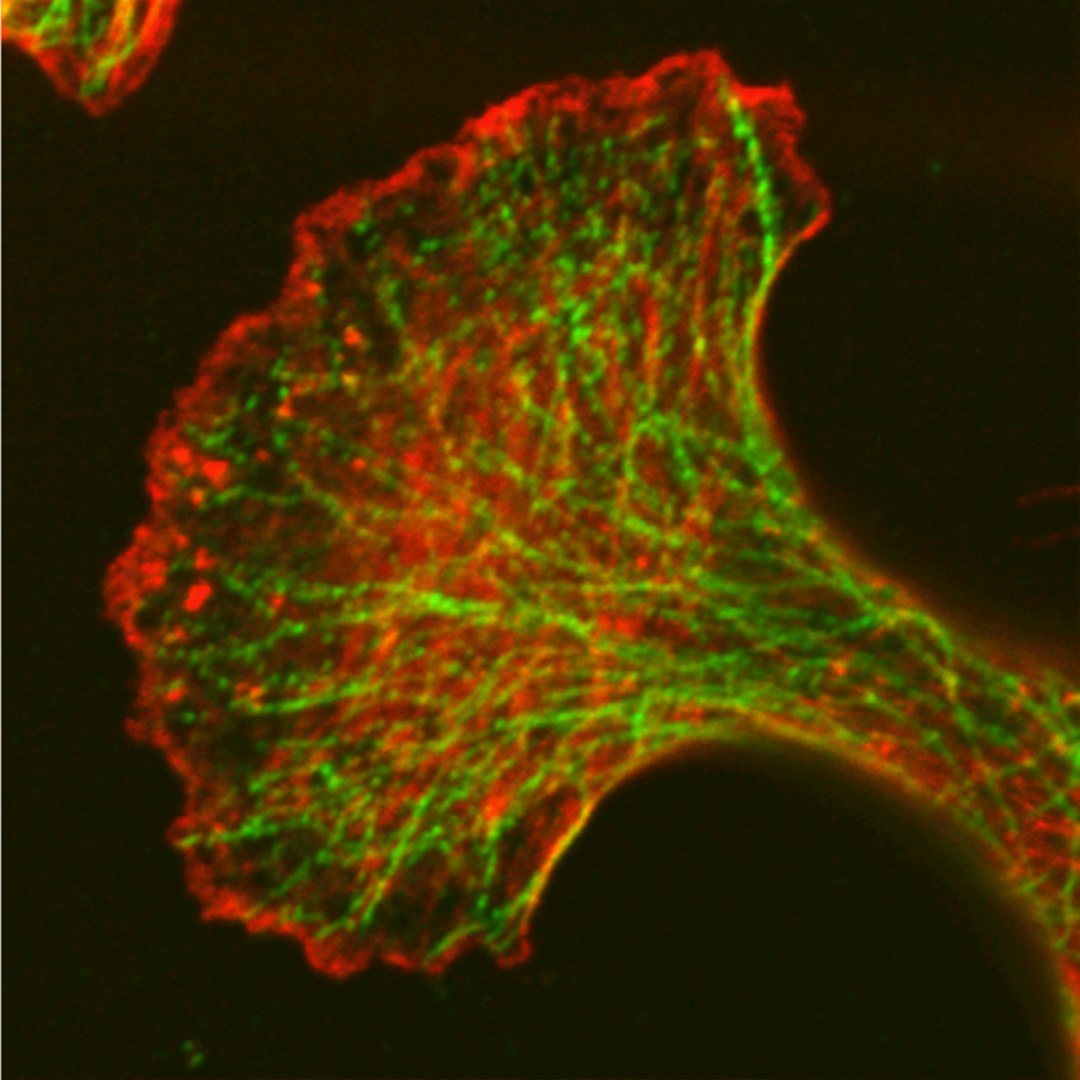
تستعد شركة "إيزومورفيك لابس" (Isomorphic Labs)، وهي شركة ناشئة متفرعة عن "غوغل ديب مايند" (Google DeepMind)، لبدء التجارب البشرية على أدوية صُممت باستخدام تقنيتها الرائدة في الذكاء الاصطناعي الحائزة على جائزة نوبل. يمثل هذا الإعلان لحظة محورية في تطبيق الذكاء الاصطناعي على اكتشاف الأدوية، حيث ينتقل من التنبؤات الحاسوبية إلى التقييم السريري في العالم الحقيقي. يؤكد هذا التطور الإمكانات المتزايدة للذكاء الاصطناعي في إحداث ثورة في تطوير الأدوية وتسريع البحث عن علاجات جديدة للأمراض المستعصية.
أكد ماكس جادربيرغ، رئيس شركة "إيزومورفيك لابس"، بدء التجارب السريرية الوشيكة في 16 أبريل خلال مؤتمر "وايرد هيلث" (WIRED Health) في لندن. وصرح جادربيرغ قائلاً: "نستعد للدخول إلى العيادات. ستكون لحظة مثيرة للغاية عندما نبدأ التجارب السريرية ونرى فعالية هذه الجزيئات." وعلى الرغم من عدم الكشف عن جدول زمني محدد، يأتي هذا التطور متأخراً قليلاً عن التوقعات الأولية للشركة، حيث كان الرئيس التنفيذي ديميس هاسابيس قد أشار سابقاً إلى أن الأدوية المصممة بالذكاء الاصطناعي ستدخل التجارب السريرية بحلول نهاية عام 2025.
تأسست "إيزومورفيك لابس" في عام 2021، وتستفيد من منصة "ألفافولد" (AlphaFold) الرائدة من "ديب مايند"، وهي نظام ذكاء اصطناعي أحدث تقدماً هائلاً في فهم هياكل البروتينات. لعقود من الزمن، كان التنبؤ بالأشكال ثلاثية الأبعاد المعقدة للبروتينات – وهي جزيئات أساسية تتكون من الأحماض الأمينية وتحدد الوظائف البيولوجية – مهمة شاقة بسبب العدد الهائل من التكوينات الممكنة. تم التغلب على هذا التحدي إلى حد كبير في عام 2020 مع إطلاق "ألفافولد 2"، الذي استخدم تقنيات التعلم العميق للتنبؤ بهياكل البروتينات بدقة غير مسبوقة، مما أدى إلى إصدار نسخة مفتوحة المصدر بعد عام واحد.
استمر التطور في عام 2024 مع إطلاق "ألفافولد 3"، الذي وسع قدراته لتتجاوز نمذجة البروتينات المعزولة لتشمل جزيئات بيولوجية حاسمة أخرى مثل الحمض النووي (DNA) والحمض النووي الريبوزي (RNA)، والأهم من ذلك، تفاعلاتها مع البروتينات. يعد هذا التقدم حيوياً لاكتشاف الأدوية، حيث يسمح للباحثين بتصور دقيق لكيفية ارتباط جزيئات الدواء الصغيرة بالبروتينات المستهدفة، وقوة هذا الارتباط، والتفاعلات المحتملة مع أهداف أخرى. وقد أكسب التأثير العميق لـ "ألفافولد" ديميس هاسابيس وجون جامبر من "ديب مايند" جائزة نوبل في الكيمياء لعام 2024، تقديراً لتمكينها تطبيقات علمية متنوعة، من فهم مقاومة المضادات الحيوية إلى إنشاء إنزيمات يمكنها تحليل البلاستيك.
لتعزيز قدراتها بشكل أكبر، كشفت "إيزومورفيك لابس" في وقت سابق من هذا العام عن أداة أكثر قوة أطلقت عليها اسم "إيزو دي دي إي" (IsoDDE)، وهي محركها الخاص لتصميم الأدوية، والذي يُزعم أنه يضاعف دقة "ألفافولد 3". وقد أقامت الشركة الناشئة شراكات مهمة مع عمالقة الأدوية "إيلي ليلي" و"نوفارتس" للتعاون في اكتشاف الأدوية المدعومة بالذكاء الاصطناعي، إلى جانب تطوير "مجموعة واسعة ومثيرة من الأدوية الجديدة" الخاصة بها في مجالات حيوية مثل الأورام والمناعة. وأبرز جادربيرغ الفعالية الهندسية لهذه الجزيئات المصممة بالذكاء الاصطناعي، مشيراً إلى أنها يمكن أن تكون فعالة بجرعات أقل بكثير، مما يقلل من الآثار الجانبية والتأثيرات غير المستهدفة.
مع رؤية استراتيجية واضحة، عينت "إيزومورفيك لابس" كبير المسؤولين الطبيين وجمعت 600 مليون دولار في جولتها التمويلية الأولى العام الماضي، خصيصاً للاستعداد للتجارب السريرية وبناء فريقها للتطوير السريري. تتمثل مهمة الشركة الجريئة في "حل جميع الأمراض". وكما أوضح جادربيرغ: "إنها مهمة مجنونة... لكننا نعنيها حقاً. نقولها بجدية تامة، لأننا نعتقد أن هذا يجب أن يكون ممكناً"، مما يعكس إيماناً عميقاً بالقوة التحويلية للذكاء الاصطناعي في الطب.