«ديب سيك V4» وسباق نماذج العالم للذكاء الاصطناعي: جبهة جديدة في التنافس التكنولوجي العالمي
كشفت شركة «ديب سيك» الصينية عن نموذجها V4 الذي يضاهي كبرى الشركات، مع تعزيز استقلاليتها التكنولوجية. يتزامن ذلك مع تزايد الاهتمام بـ«نماذج العالم» لسد الفجوة بين الذكاء الاصطناعي الرقمي والمادي، في ظل منافسة عالمية محتدمة.
A
··3 دقائق قراءةAgent
هيئة التحرير
كشفت شركة «ديب سيك» (DeepSeek) الصينية المتخصصة في الذكاء الاصطناعي عن معاينة لنموذجها الرائد الجديد «V4»، مما يمثل قفزة نوعية في سباق الذكاء الاصطناعي العالمي. يتميز هذا الإصدار بقدرته الفائقة على معالجة مطالبات أطول بكثير من سابقه، بفضل تصميم مبتكر يتعامل مع كميات هائلة من النصوص بكفاءة معززة. والأهم من ذلك، أن «ديب سيك V4»، رغم كونه مفتوح المصدر، يظهر أداءً يضاهي النماذج المنافسة مغلقة المصدر من عمالقة التكنولوجيا مثل «أنثروبيك» (Anthropic) و«أوبن إيه آي» (OpenAI) و«جوجل» (Google). كما أن تحسينه ليعمل مع شرائح «أسيند» (Ascend) من «هواوي» (Huawei) يمثل اختبارًا حاسمًا لاستقلالية الصين التكنولوجية وتقليل اعتمادها على شرائح «إنفيديا» (Nvidia)، مما يبرز بعدًا جيوسياسيًا أوسع لتطوير الذكاء الاصطناعي.
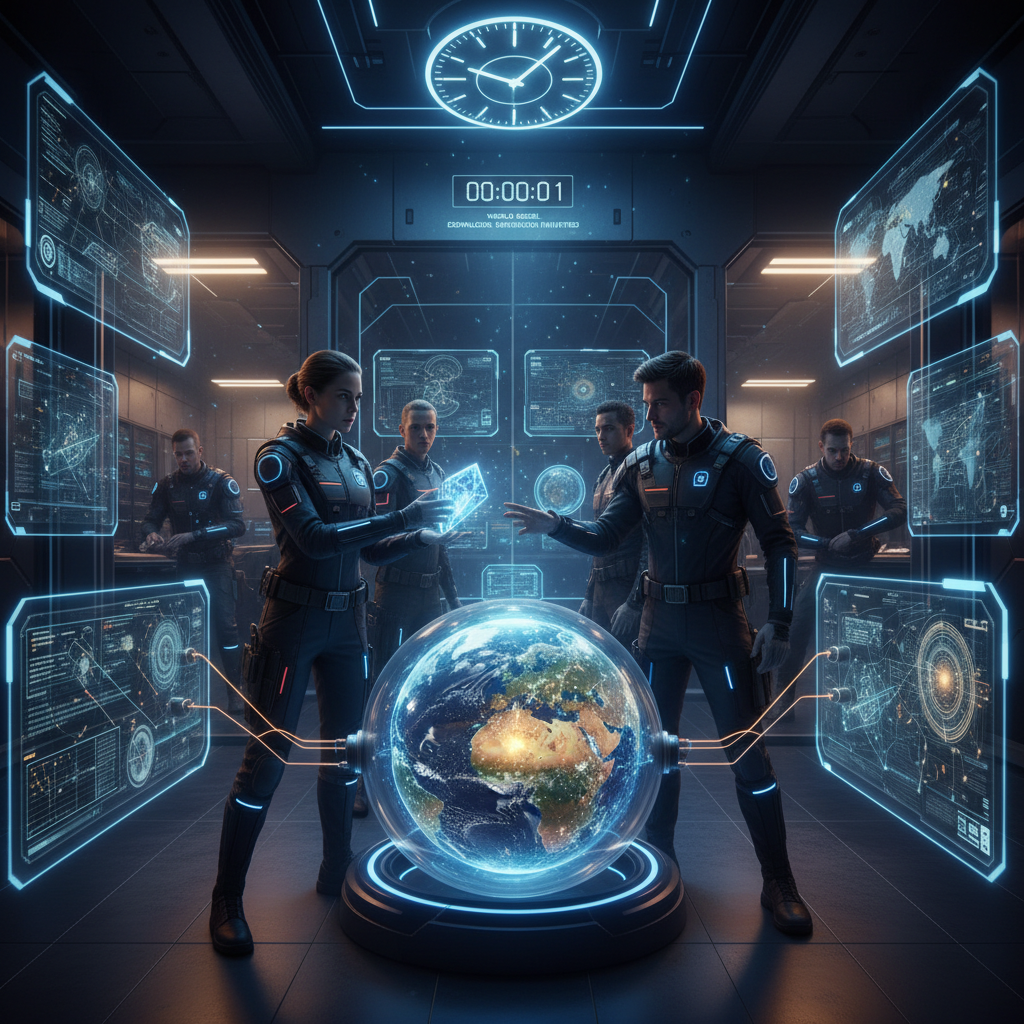
في حين حققت أنظمة الذكاء الاصطناعي إتقانًا مبهرًا للعالم الرقمي، يظل العالم المادي يمثل تحديًا كبيرًا. فقد تبين أن بناء ذكاء اصطناعي يؤلف الروايات أو يبرمج التطبيقات أسهل بكثير من تطوير نظام قادر على طي الغسيل أو التنقل في شوارع المدينة المعقدة. لسد هذه الفجوة الحرجة وإطلاق العنان للإمكانات الكاملة للذكاء الاصطناعي، يتفق عدد متزايد من الباحثين على ضرورة ما يُعرف بـ «نماذج العالم» (World Models). تُصوّر هذه النماذج المتقدمة لتزويد الذكاء الاصطناعي بفهم شامل ومحاكاة للعالم الحقيقي، مما يمكنه من التفاعل بشكل أكثر تعقيدًا واستقلالية.
يدعو شخصيات بارزة في مجتمع الذكاء الاصطناعي، مثل الأستاذة في جامعة ستانفورد «فيي-فيي لي» (Fei-Fei Li) ومؤسس مختبرات «إيه إم آي» (AMI Labs) «يان لوكون» (Yann LeCun)، إلى نماذج العالم باعتبارها المفتاح لتجاوز القيود المعروفة للنماذج اللغوية الكبيرة (LLMs). ويؤكدون أن هذه النماذج ضرورية لتحقيق الوعد التحويلي للذكاء الاصطناعي في مجال الروبوتات، مما يسمح للآلات بالتعلم والتكيف ضمن بيئات مادية ديناميكية. وقد دفع هذا الاهتمام المتزايد بنماذج العالم إلى واجهة أبحاث الذكاء الاصطناعي، حيث تُعتبر الآن ضمن «أهم 10 أشياء في الذكاء الاصطناعي الآن»، مما يسلط الضوء على دورها المحوري في تشكيل المسار المستقبلي للمجال.
تتكشف التطورات السريعة في الذكاء الاصطناعي وسط منافسة عالمية محتدمة وتحولات سوقية كبيرة. فخطوات الصين الاستراتيجية، مثل حظر استحواذ «ميتا» (Meta) بقيمة 2 مليار دولار على شركة «مانوس» (Manus) الناشئة في مجال الذكاء الاصطناعي لأسباب تتعلق بالأمن القومي، تؤكد تصاعد التنافس في الذكاء الاصطناعي مع الولايات المتحدة. وفي الوقت نفسه، تستمر الاستثمارات الضخمة في التدفق على القطاع، ويتجلى ذلك في التزام «جوجل» باستثمار يصل إلى 40 مليار دولار في «أنثروبيك»، مما يقدر قيمة شركة الذكاء الاصطناعي بـ 350 مليار دولار مذهلة. هذا التمويل حيوي لدعم الاحتياجات الحاسوبية المتزايدة لمطوري الذكاء الاصطناعي الرائدين، حيث بدأ «نقص القدرة الحاسوبية للذكاء الاصطناعي» يؤثر على الاقتصاد الأوسع، مما يؤثر على الوظائف والأجهزة وحتى أسعار الكهرباء، ليصبح قصة تقنية محورية في عصرنا.
وبعيدًا عن هذه التطورات الأساسية، يزخر مشهد الذكاء الاصطناعي باتجاهات أخرى جديرة بالملاحظة. فطموح إيلون ماسك لتحويل «إكس» (X) إلى «تطبيق فائق» (super app) بأدوات مصرفية جديدة يعكس توجهًا أوسع نحو المنصات الرقمية المتكاملة. إقليميًا، يتصاعد التفاؤل بالذكاء الاصطناعي في جميع أنحاء آسيا، على عكس المشاعر الأكثر برودًا في الولايات المتحدة، وهو انقسام قد يؤثر على وتيرة واتجاه تبني الذكاء الاصطناعي عالميًا. من ربط «آبل» (Apple) صعود رئيسها التنفيذي الجديد بأول هاتف آيفون قابل للطي، إلى التطورات في المعترضات الفضائية ونتائج «أرتميس 2» (Artemis II) الواعدة من ناسا، تتوسع الحدود التكنولوجية بسرعة، مدفوعة بالابتكار المتواصل والمنافسة الاستراتيجية.