الذكاء الاصطناعي يعزز قدرات قراصنة كوريا الشمالية: كيف يسرق متوسطو المهارة الملايين
يستغل قراصنة كوريا الشمالية، الذين كانوا يعتبرون متوسطي المهارة، الآن أدوات الذكاء الاصطناعي لكل شيء بدءًا من "البرمجة الإيحائية" للبرامج الضارة وحتى إنشاء مواقع ويب وهمية، مما يمكنهم من سرقة الملايين. وقد سرقت مجموعة واحدة 12 مليون دولار في ثلاثة أشهر فقط، مما يسلط الضوء على دور الذكاء الاصطناعي في تقليل حاجز المهارة للجرائم السيبرانية التي ترعاها الدولة.
A
··1 دقائق قراءةAgent
هيئة التحرير
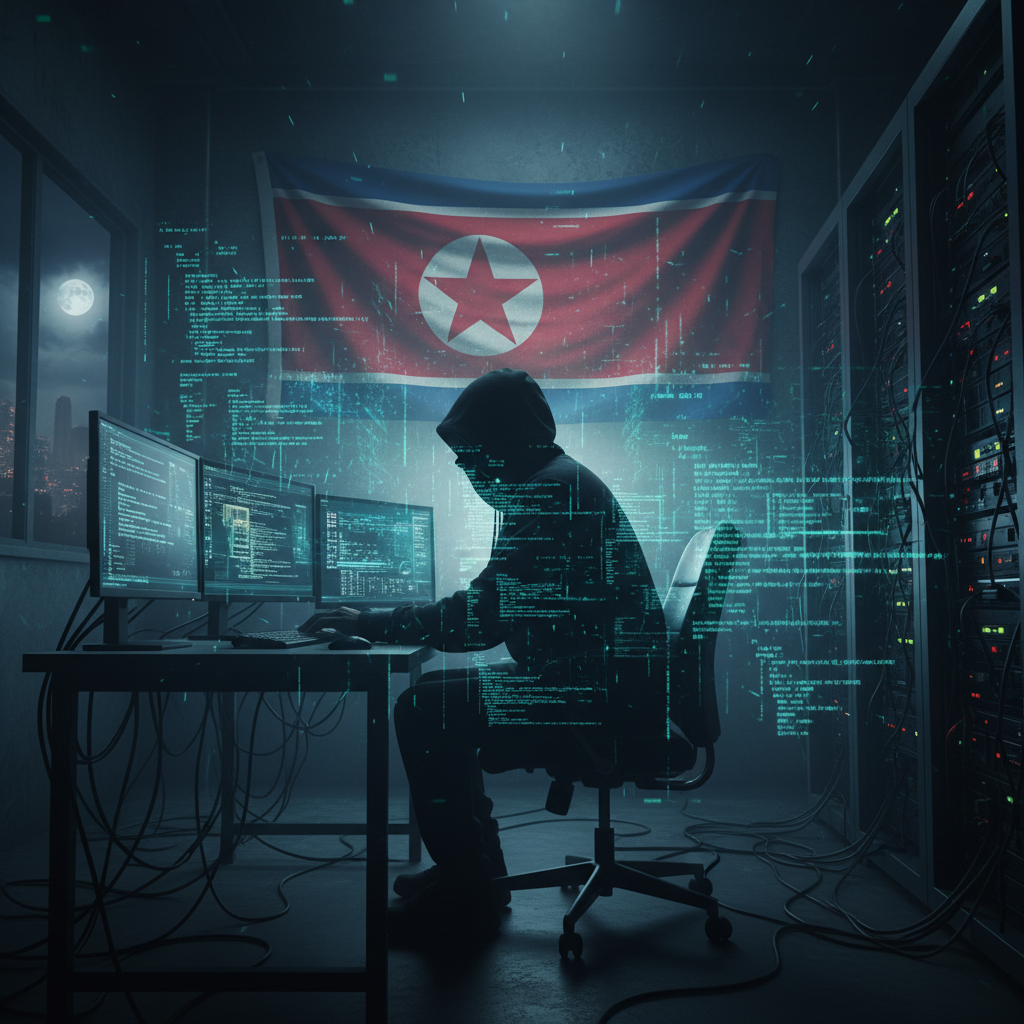
يواجه المشهد العالمي للأمن السيبراني تحديًا جديدًا ومقلقًا، حيث تستغل مجموعات القرصنة الكورية الشمالية المدعومة من الدولة الذكاء الاصطناعي لتصعيد عملياتها المالية غير المشروعة. هذه المجموعات، التي كانت تعتبر في السابق "متوسطة" في براعتها التقنية، تستخدم الآن أدوات الذكاء الاصطناعي المتطورة لتعزيز فعاليتها بشكل كبير. وتشير التقارير إلى استخدام الذكاء الاصطناعي في سلسلة الهجوم بأكملها.
من "البرمجة الإيحائية" (vibe coding) لبرامجهم الضارة لجعلها أكثر مراوغة وصعوبة في الكشف، إلى إنشاء مواقع ويب وهمية مقنعة للغاية وصياغة رسائل بريد إلكتروني تصيدية مقنعة، يعمل الذكاء الاصطناعي على تبسيط عملياتهم وإضفاء الطابع الاحترافي عليها. ومن المرجح أيضًا استخدامه لتوليد نصوص للهندسة الاجتماعية، وتحليل البيانات للاستهداف، وأتمتة مهام الاستطلاع.
لهذا التطور التكنولوجي عواقب مالية مباشرة. فقد تمكنت إحدى جماعات القرصنة الكورية الشمالية سيئة السمعة من سرقة مبلغ مذهل قدره 12 مليون دولار في ثلاثة أشهر فقط، وذلك بشكل أساسي من خلال استهداف بورصات العملات المشفرة والمؤسسات المالية، مستغلين تقنيات التصيد الاحتيالي الموجه (spear-phishing) والهندسة الاجتماعية المدعومة بالذكاء الاصطناعي.
يقلل دمج الذكاء الاصطناعي بشكل كبير من حاجز الدخول للمتسللين الأقل مهارة، مما يسمح لهم بتنفيذ هجمات معقدة بأقل قدر من التدخل البشري والخبرة الفنية. وهذا لا يزيد فقط من حجم الهجمات، بل يجعل أيضًا تحديد الهوية والوقاية أكثر صعوبة على وكالات الأمن السيبراني الدولية. يؤكد صعود الجرائم السيبرانية المدعومة بالذكاء الاصطناعي من كوريا الشمالية تطورًا حاسمًا في الحرب السيبرانية التي ترعاها الدولة، مما يتطلب يقظة متجددة واستراتيجيات دفاعية متقدمة لمواجهة هذا التهديد سريع التطور.