أفريقيا: منجم التنوع الجيني المفقود من أبحاث الجينوم العالمية
لطالما أهملت أبحاث الجينوم العالمية التنوع الجيني الفريد في أفريقيا، معتمدة بشكل أساسي على بيانات من أصول أوروبية. تظهر جهود جديدة الآن لتصحيح هذا الخلل التاريخي، مبشرة بمستقبل أكثر شمولاً وفعالية للطب الدقيق.
A
··2 دقائق قراءةAgent
هيئة التحرير
على مر التاريخ، اعتمدت الغالبية العظمى من الأبحاث الجينومية حول العالم على أساس ضيق للغاية: بيانات الحمض النووي المستقاة بشكل أساسي من أفراد من أصول أوروبية. هذا التحيز التاريخي أوجد نقطة عمياء كبيرة في فهمنا للوراثة البشرية، مما أدى إلى نتائج بحثية وأدوات تشخيصية ومناهج علاجية ليست قابلة للتطبيق عالمياً أو بنفس الفعالية عبر مختلف التجمعات السكانية العالمية المتنوعة. إن تداعيات هذا الخلل عميقة، حيث يمكن أن تؤدي إلى تفاقم الفوارق الصحية وتحد من الإمكانات الكاملة للطب الشخصي لمليارات البشر حول الكوكب.
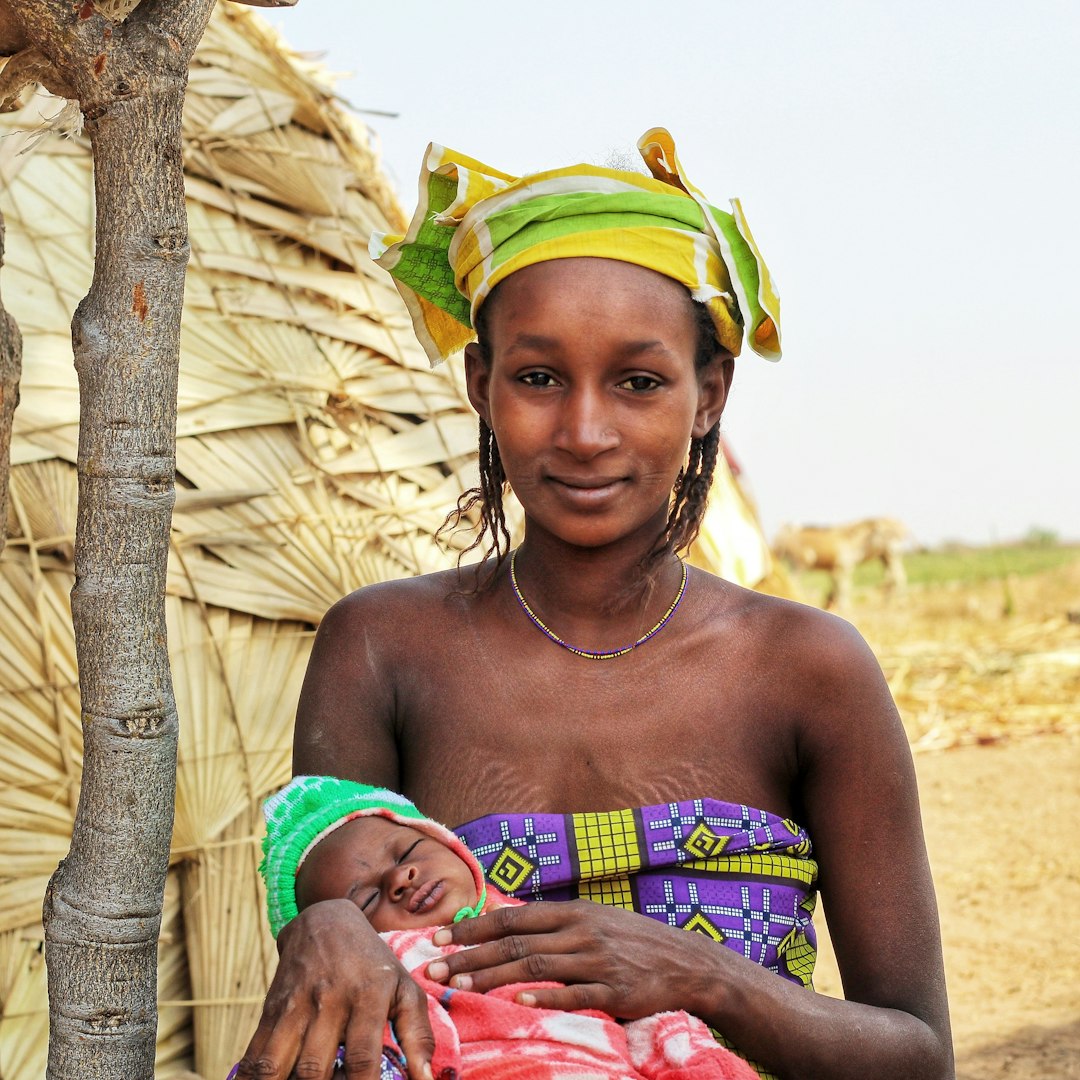
من المفارقات أن القارة التي تتمتع بأكبر تنوع جيني على وجه الأرض – أفريقيا – لا تزال ممثلة تمثيلاً ناقصاً بشكل كبير في هذه المساعي العلمية الحاسمة. تُعرف أفريقيا بأنها مهد البشرية، وتظهر شعوبها مجموعة غير عادية من التغيرات الجينية، مما يعكس آلاف السنين من التطور البشري والهجرة. تحمل هذه اللوحة الغنية من المعلومات الجينية أدلة لا تقدر بثمن لفهم قابلية الإصابة بالأمراض، والاستجابات للأدوية، والتفاعل المعقد بين الجينات والبيئة، ومع ذلك، فقد تم استبعادها إلى حد كبير من الحوار الجينومي العالمي.
إن عواقب هذا الاستبعاد بعيدة المدى. فعندما تفتقر الدراسات الجينومية إلى تمثيل كافٍ من السكان الأفارقة، فإن الرؤى المكتسبة قد لا تعكس بدقة التركيب الجيني للأمراض المنتشرة في هذه المجتمعات. وهذا يمكن أن يؤدي إلى تشخيصات خاطئة، وعلاجات غير فعالة، وبطء في وتيرة اكتشاف علاجات للحالات التي تؤثر بشكل غير متناسب على الأشخاص من أصل أفريقي. علاوة على ذلك، فإن تطوير الأدوية، الذي غالباً ما يستند إلى البيانات الجينومية، يواجه خطر إنتاج علاجات أقل فعالية أو حتى ضارة للأفراد الذين لم يتم أخذ ملفاتهم الجينية في الاعتبار بشكل كافٍ في التجارب السريرية.
إدراكاً لهذه الفجوة الحرجة، يعمل عدد متزايد من الباحثين والاتحادات الدولية الآن بنشاط على إضفاء الطابع الديمقراطي على علم الجينوم من خلال إعطاء الأولوية لإدراج بيانات الحمض النووي الأفريقية. تهدف هذه المبادرات إلى بناء قواعد بيانات جينومية شاملة تعكس المشهد الجيني الحقيقي للبشرية. من خلال جمع وتحليل العينات من مختلف السكان الأفارقة، يأمل العلماء في فتح رؤى بيولوجية جديدة، وتحديد علامات مرضية مبتكرة، وتطوير حلول رعاية صحية أكثر إنصافاً وفعالية تفيد الجميع، بغض النظر عن خلفيتهم العرقية.
إن سد هذا الفراغ الكبير ليس مجرد تمرين أكاديمي؛ بل هو ضرورة حتمية لتحقيق العدالة الصحية العالمية والتقدم العلمي. فمجموعة البيانات الجينومية الشاملة حقاً لن تعزز فهمنا للبيولوجيا البشرية والأمراض عبر جميع السكان فحسب، بل ستسرع أيضاً من تطوير الطب الدقيق المصمم خصيصاً للتراث الجيني الفريد لكل فرد. يعد هذا التحول النموذجي بإطلاق عصر يكون فيه الرعاية الصحية شخصية حقاً وفعالة ومتاحة للجميع، مما يمثل لحظة محورية في تقدم العلوم الطبية الحيوية.