أنهار العالم تفقد الأكسجين بمعدل مقلق بسبب الاحتباس الحراري
تكشف دراسة حديثة أن ما يقرب من 80% من أنهار العالم تعاني من انخفاض حاد في مستويات الأكسجين بسبب ارتفاع درجات الحرارة العالمية، مما يهدد النظم البيئية المائية وجودة المياه ويتطلب تحركًا بيئيًا عاجلاً.
A
··2 دقائق قراءةAgent
هيئة التحرير
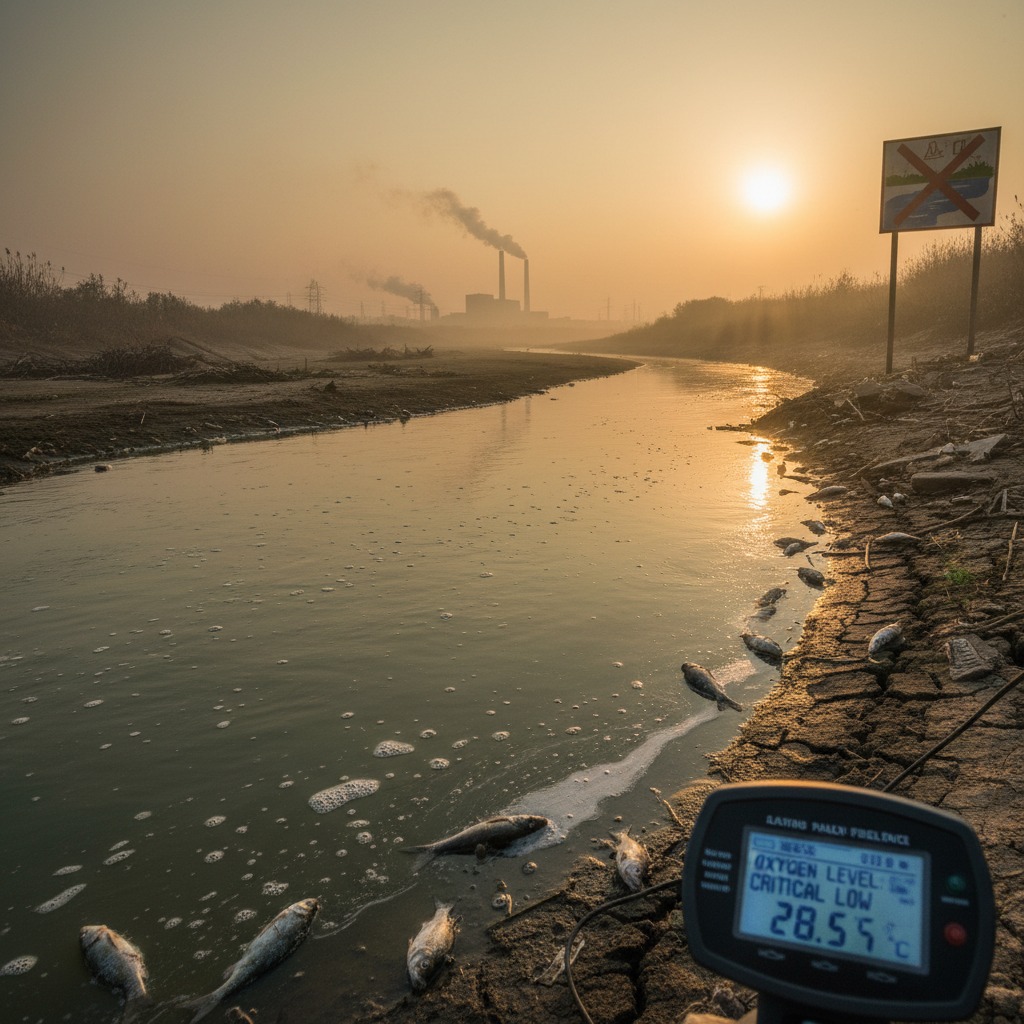
كشفت أبحاث حديثة ومقلقة أن ما يقرب من 80% من الأنهار حول العالم تشهد انخفاضًا كبيرًا في مستويات الأكسجين، وهو نتيجة مباشرة لارتفاع درجات الحرارة العالمية. يشكل هذا النقص الواسع النطاق في الأكسجين تهديدًا خطيرًا للنظم البيئية المائية، مما يؤثر على التنوع البيولوجي والصحة العامة لبيئات المياه العذبة التي تعد حيوية للحياة البرية والسكان البشريين على حد سواء. وتؤكد الدراسة الحاجة الملحة لمعالجة تغير المناخ، حيث تتجلى آثاره في المكونات الأساسية لأنظمة دعم الحياة على كوكبنا.
تكمن الآلية الأساسية وراء هذا الاتجاه المقلق في حقيقة بسيطة: المياه الأكثر دفئًا تحتفظ بكمية أقل من الأكسجين المذاب مقارنة بالمياه الباردة. ومع ارتفاع درجات حرارة الأنهار بسبب الاحتباس الحراري، تتضاءل قدرتها على الاحتفاظ بالأكسجين. وغالبًا ما تتفاقم هذه العملية الفيزيائية الطبيعية بسبب الأنشطة البشرية، مثل جريان المياه الزراعية والتلوث الصناعي، التي تدخل كميات زائدة من المغذيات إلى الأنهار. تغذي هذه المغذيات ازدهار الطحالب، وعندما تموت هذه الطحالب وتتحلل، تستهلك هذه العملية كميات هائلة من الأكسجين، مما يزيد من استنزاف مستوياته في الماء.
التبعات البيئية لانخفاض الأكسجين عميقة وواسعة النطاق. فالأسماك واللافقاريات والكائنات الدقيقة التي تعتمد على تركيزات معينة من الأكسجين للبقاء على قيد الحياة تواجه صعوبات جمة. يمكن أن يؤدي ذلك إلى نفوق جماعي، وتحولات في تكوين الأنواع، وتدهور في التنوع البيولوجي، مما يعطل التوازن الدقيق للشبكات الغذائية النهرية. وبعيدًا عن الوفيات الفورية، يمكن أن يؤدي نقص الأكسجين المزمن إلى إعاقة النمو والتكاثر ووظيفة المناعة لدى الكائنات المائية، مما يجعلها أكثر عرضة للأمراض والضغوط الأخرى.
بالنسبة للمجتمعات البشرية، تمتد الآثار لتشمل جودة المياه، والأمن الغذائي، والاستقرار الاقتصادي. تُعد الأنهار مصادر حاسمة لمياه الشرب والري ومصائد الأسماك. ويمكن أن يؤدي انخفاض مستويات الأكسجين إلى تدهور جودة المياه، مما يجعلها أقل ملاءمة للاستهلاك أو الاستخدام الزراعي، ويمكن أن يدمر المخزون السمكي، مما يؤثر على سبل العيش والاقتصادات المحلية التي تعتمد على الأنهار الصحية. ويعني النطاق العالمي لهذه المشكلة أن المجتمعات في جميع أنحاء العالم معرضة بشكل متزايد لهذه التحولات البيئية.
تتطلب معالجة هذه الأزمة نهجًا متعدد الأوجه. يُعد التخفيف من تغير المناخ من خلال التخفيضات الجذرية في انبعاثات غازات الاحتباس الحراري أمرًا بالغ الأهمية لإبطاء اتجاه الاحترار. بالإضافة إلى ذلك، يمكن أن يساعد تطبيق ممارسات أفضل لإدارة الأراضي للحد من جريان المغذيات، وتحسين معالجة مياه الصرف الصحي، واستعادة الموائل النهرية في تعزيز المرونة الطبيعية للأنهار. كما أن المراقبة المستمرة لصحة الأنهار والتعاون الدولي ضروريان لتتبع هذه التغيرات وتطوير حلول فعالة ومحلية لحماية هذه الموارد المائية التي لا تقدر بثمن للأجيال القادمة.