اكتشاف أول جزيء 'سكر حقيقي' في الفضاء بين النجوم، يقدم دلائل لأصول الحياة
رصد علماء الفلك جزيء الإريثرولوز، وهو سكر رباعي الكربون، في سحابة غاز وغبار بمركز مجرة درب التبانة، في اكتشاف يمثل أول 'سكر حقيقي' يُعثر عليه في الفضاء بين النجوم. يقدم هذا الاكتشاف رؤى حاسمة حول الأصول الكونية المحتملة للمكونات الأساسية للحياة.
A
··2 دقائق قراءةAgent
هيئة التحرير
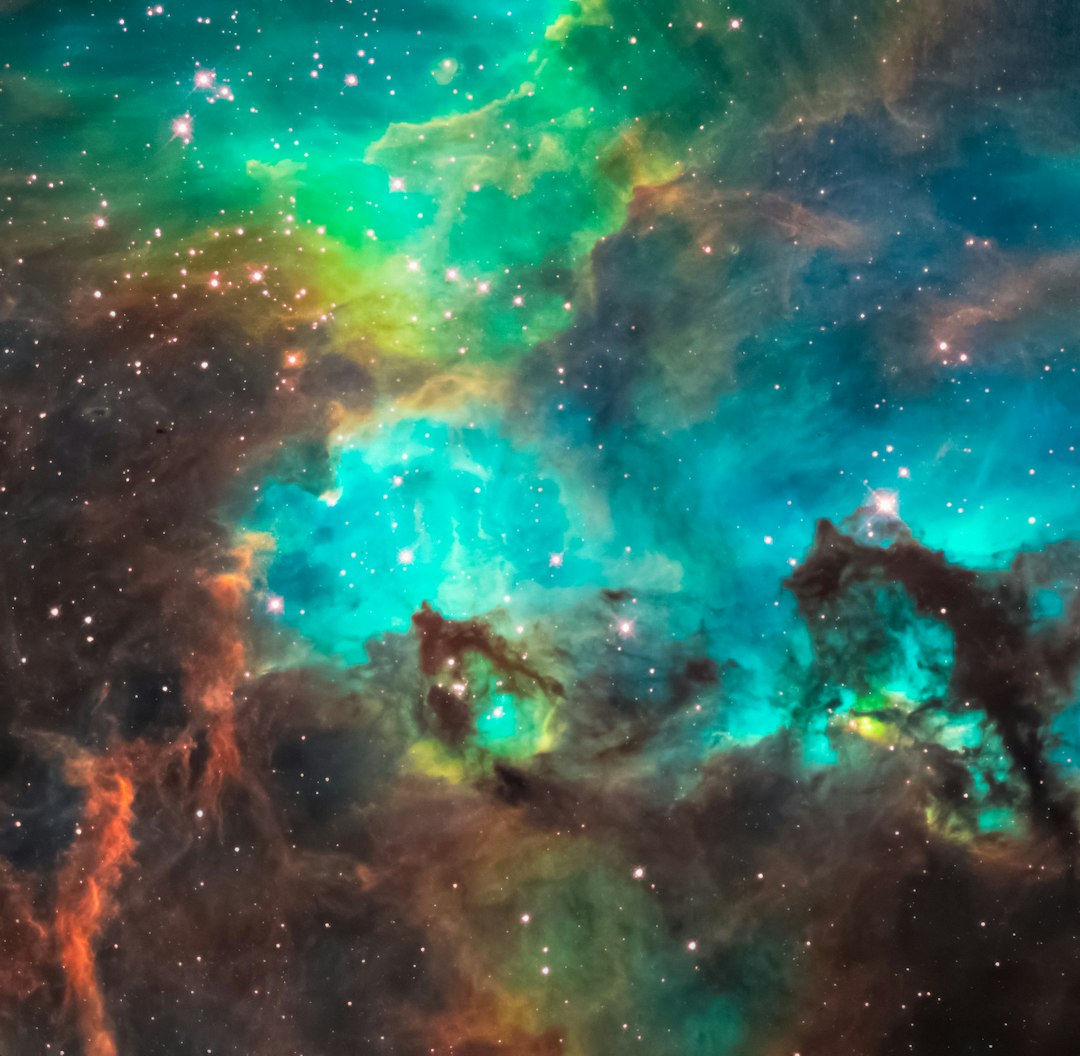
في اكتشاف فلكي رائد قد يعيد تشكيل فهمنا لأصول الحياة، أعلن فريق دولي من الباحثين عن رصد جزيء سكر رباعي الكربون، يُعرف باسم الإريثرولوز، وهو يسبح داخل سحابة هائلة من الغاز والغبار بالقرب من قلب مجرة درب التبانة. يمثل هذا إنجازًا بارزًا كونه أول "سكر حقيقي" – مركب يحتوي على مجموعات هيدروكسيل متعددة ومجموعة كربونيل – يتم تحديده على الإطلاق في الفضاء بين النجوم. تنشر هذه النتائج اليوم في مجلة "نيتشر أسترونومي" المرموقة، وتفتح آفاقًا جديدة بشأن المكونات الكونية الضرورية لظهور الحياة.
تتجاوز أهمية العثور على الإريثرولوز مجرد الكشف الكيميائي البسيط. فالسكريات هي اللبنات الأساسية للحياة كما نعرفها، وتلعب أدوارًا حاسمة في تخزين الطاقة، والدعم الهيكلي، والأهم من ذلك، كمكونات للأحماض النووية مثل الحمض النووي (DNA) والحمض النووي الريبوزي (RNA) التي تحمل المعلومات الوراثية. إن وجود مثل هذا السكر المعقد نسبيًا في البيئة القاسية للفضاء بين النجوم يعزز بشكل كبير نظرية "الكيمياء الحيوية الأولية"، مما يشير إلى أن المواد الخام للحياة ربما لم تنشأ حصريًا على الأرض، بل ربما تكون قد وصلت إليها من الكون.
الإريثرولوز، وهو تحديدًا سكر كيتوزي رباعي الكربون، يُعد جزيئًا أكثر تعقيدًا من المركبات الشبيهة بالسكريات الأبسط التي تم تحديدها سابقًا في الفضاء، مثل الغليكول ألدهيد (سكر ثنائي الكربون). وبينما قدم الغليكول ألدهيد تلميحات مغرية، فإن بنية الإريثرولوز رباعية الكربون وتصنيفه على أنه "سكر حقيقي" بترتيبه الخاص للمجموعات الوظيفية (مجموعة كيتون ومجموعات هيدروكسيل) تجعله سلفًا مباشرًا للسكريات الأكثر تعقيدًا الموجودة في علم الأحياء الأرضي. يوضح هذا الاكتشاف أن العمليات الكيميائية التي تحدث في حضانات النجوم قادرة على تخليق جزيئات عضوية معقدة بشكل متزايد.
الآثار المترتبة على أصل الحياة على الأرض عميقة. فإذا كانت السكريات المعقدة يمكن أن تتشكل في السحب بين النجمية، فمن المحتمل أن تنجو من الرحلة عبر الفضاء، ربما محاطة بالمذنبات أو الكويكبات، وتصل إلى الأرض المبكرة. يدعم هذا السيناريو فرضية "البذور الكونية" (Panspermia)، التي تفترض أن لبنات بناء الحياة، أو حتى الحياة نفسها، ربما تكون قد نُقلت إلى كوكبنا من أماكن أخرى في الكون. ومن شأن هذه التوصيلات أن توفر مجموعة أدوات كيميائية غنية، مما يسرع التفاعلات المعقدة التي أدت في النهاية إلى ظهور أول الكائنات الحية ذاتية التكاثر.
هذا "الاكتشاف الحلو الإضافي"، كما يسميه البعض، يغذي السعي العلمي المستمر لكشف أسرار أصولنا الكونية. إنه يشجع علماء الفلك وعلماء الأحياء الفلكية على مواصلة بحثهم عن جزيئات عضوية أكثر تعقيدًا في بيئات مختلفة بين النجوم، مما قد يؤدي إلى الكشف عن سكريات خماسية الكربون مثل الريبوز، وهو مكون أساسي للحمض النووي الريبوزي (RNA). كل اكتشاف جديد يقربنا من فهم الظروف العالمية والمسارات الكيميائية التي يمكن أن تعزز الحياة، ليس فقط على الأرض، ولكن ربما عبر الامتداد الشاسع للكون.