علماء ينجحون في هندسة نبات لإنتاج مركبات نفسانية متعددة دفعة واحدة
نجح علماء في معهد وايزمان للعلوم في هندسة نبات واحد لإنتاج خمسة مركبات نفسانية مختلفة دفعة واحدة، وهي مركبات تتواجد في الطبيعة عبر ممالك الحياة المتنوعة. هذا الإنجاز قد يحدث ثورة في إنتاج هذه المواد ويفتح آفاقاً لجزيئات علاجية جديدة.
A
··2 دقائق قراءةAgent
هيئة التحرير
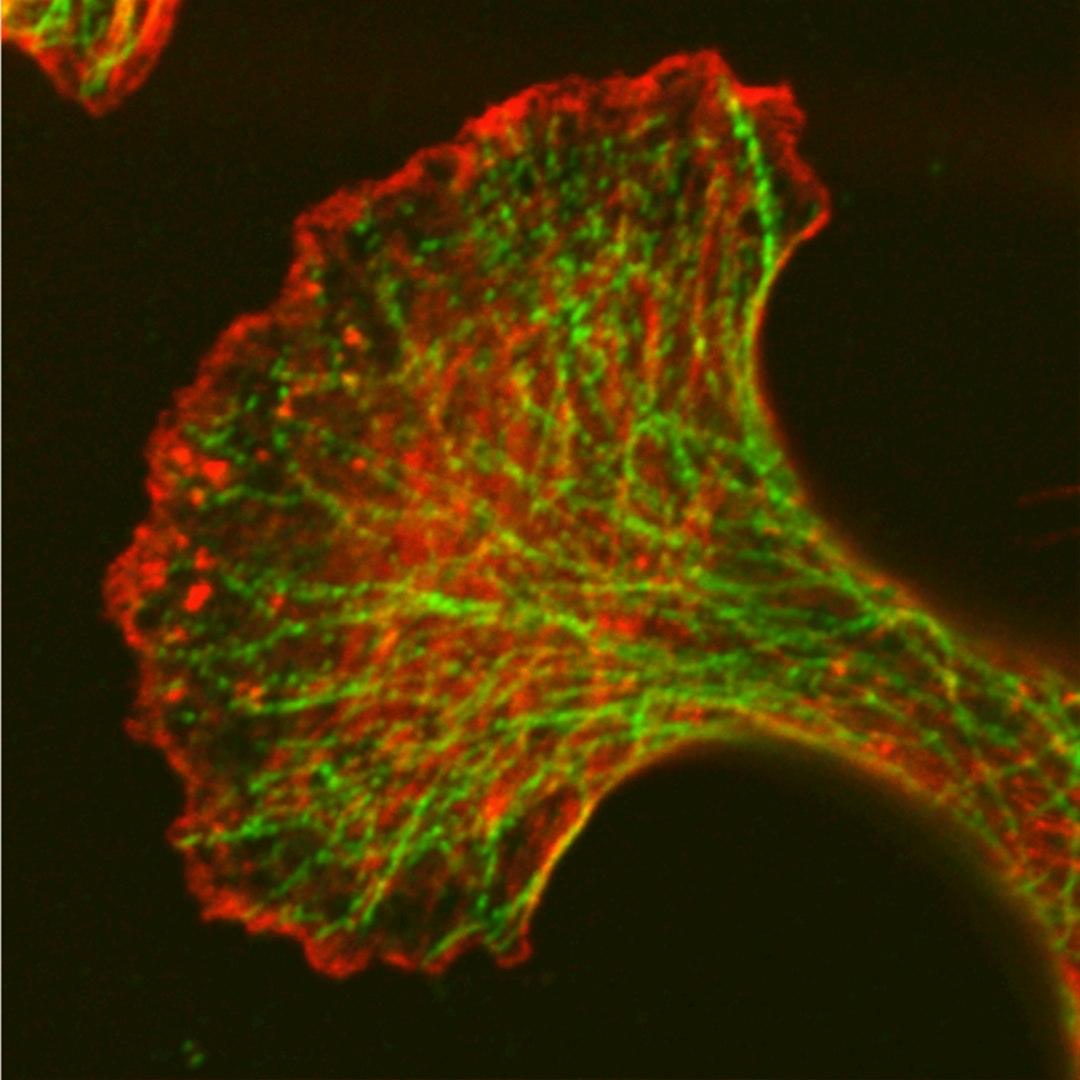
في إنجاز علمي غير مسبوق، نجح باحثون من معهد وايزمان للعلوم في هندسة نبات واحد لإنتاج خمسة مركبات نفسانية معروفة في آن واحد. هذه المركبات، التي تتوزع طبيعياً عبر ممالك النباتات والفطريات والحيوانات، لطالما استخدمت في الطقوس والممارسات العلاجية وعلاج الصحة النفسية منذ آلاف السنين. وقد تضمن هذا العمل الرائد فك شفرة المسار الحيوي الطبيعي لإنتاج أحد أبرز المركبات النفسانية، وهو DMT، ثم إعادة هندسة هذه العملية بدقة، بالإضافة إلى مسارات لأربعة مركبات أخرى، داخل نبات نموذجي.
ترأس الدراسة الدكتورة باولا (شيرلي) بيرمان، وأجريت في مختبر البروفيسور آصاف أهاروني، وركزت على خمسة مركبات نفسانية متميزة: DMT (من النباتات)، والبسيلوسيبين والبسيلوسين (من الفطريات، والمعروفة باسم 'الفطر السحري')، والبيوفوتين و5-MeO-DMT (من ضفدع صحراء سونوران). وعلى الرغم من تنوع مصادرها، تنتمي جميع المركبات الخمسة إلى نفس العائلة الكيميائية وتتشارك في سلف بيولوجي مشترك هو التربتوفان – وهو حمض أميني شائع يستخدمه جسم الإنسان أيضاً لإنتاج السيروتونين. هذا الأصل المشترك يفسر تفاعلاتها المتشابهة مع مستقبلات الدماغ.
كان أحد التحديات الكبيرة هو تحديد الجينات والإنزيمات الدقيقة المسؤولة عن إنتاج DMT، وهو مسار كان مفهوماً في السابق بشكل عام فقط. نجح الفريق في تحديد هذه المكونات الجينية الرئيسية وإدخالها في نبات *Nicotiana benthamiana*، وهو نوع من التبغ يستخدم على نطاق واسع في الأبحاث. وقد 'علم' هذا الإجراء النبات على إنتاج DMT. وظهرت تحديات أخرى عند محاولة إنتاج 5-MeO-DMT، والذي أنتج في البداية كميات منخفضة بشكل مفاجئ. ومن خلال التعاون مع خبراء تصميم البروتينات، أدت طفرة في حمض أميني واحد في بنية الإنزيم إلى تحسين الإنتاج بمقدار 40 ضعفاً، مما يدل على قوة الهندسة الأيضية الموجهة.
بعد هذه النجاحات، قام العلماء بإدخال جينات المركبات الخمسة جميعها في نفس النبات. وأثبت النظام فعاليته، حيث أُنشئ 'كوكتيل بيولوجي' أنتج فيه كائن حي واحد جميع المركبات النفسانية الخمسة. ومع ذلك، كشف هذا التنشيط المتزامن عن قيود مهمة: بدأت المسارات تتنافس على نفس المادة الأولية، مما أدى إلى عنق زجاجة وانخفاض في كفاءة الإنتاج. وهذا يسلط الضوء على مجال حاسم للتحسين المستقبلي في الهندسة الأيضية.
وبدفع الحدود إلى ما هو أبعد من التطور الطبيعي، قام الفريق أيضاً بدمج إنزيمات بكتيرية لإنشاء جزيئات نفسانية معدلة. هذه المركبات الجديدة، التي تحمل ذرات الكلور أو البروم في مواضع محددة، لا توجد بشكل طبيعي ولكنها أظهرت بالفعل نشاطاً بيولوجياً مثيراً للاهتمام، بما في ذلك تأثيرات مضادة للاكتئاب. هذا النهج المبتكر لا يظهر فقط إمكانية الإنتاج المستدام والمتحكم فيه للمركبات النفسانية الموجودة، بل يفتح أيضاً الأبواب لاكتشاف وتصنيع جزيئات جديدة تماماً ذات تطبيقات علاجية قيمة محتملة، مما يمثل خطوة كبيرة إلى الأمام في التكنولوجيا الحيوية والطب.