أكبر وكالة أبحاث غابات في العالم تواجه تخفيضات حادة
تواجه هيئة الغابات الأمريكية، أكبر منظمة بحثية للغابات في العالم، أزمة عميقة مع دراستها إغلاق عشرات من مواقعها البحثية الحيوية، مما يترك العلماء "مفزوعين" و"محبطين". تهدد هذه التخفيضات المقترحة أكثر من قرن من الدراسات الطولية التي لا يمكن تعويضها، والتي تعد حاسمة للعلوم البيئية.
A
··2 دقائق قراءةAgent
هيئة التحرير
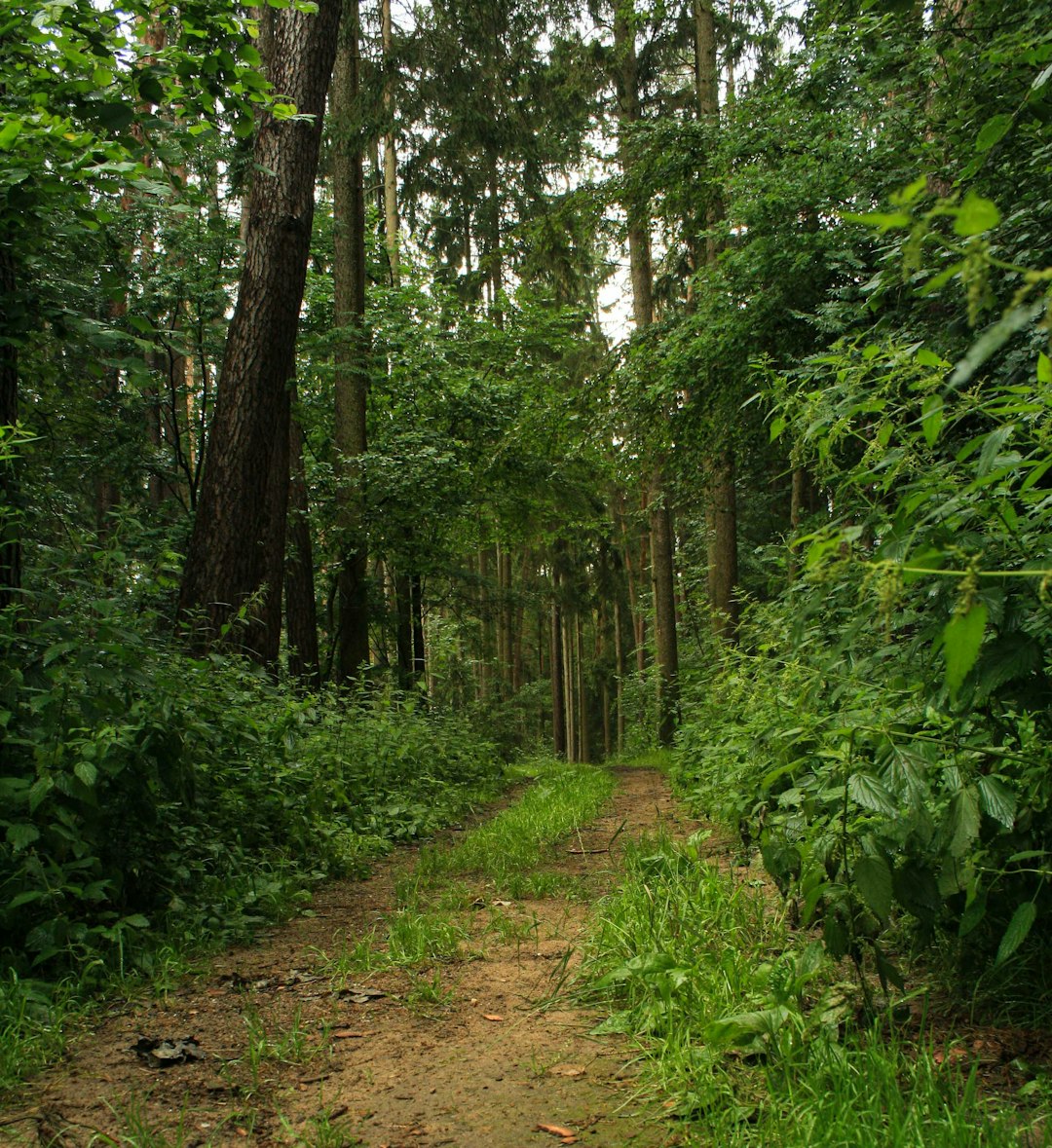
تواجه هيئة الغابات الأمريكية، التي تُعد أكبر منظمة بحثية للغابات في العالم، أزمة عميقة وغير مسبوقة مع دراستها إغلاق عشرات من مواقعها البحثية الحيوية. هذا الإجراء، الذي يأتي في إطار إعادة تنظيم محتملة، ترك العلماء الحاليين والسابقين في الهيئة يشعرون بـ "الارتباك" و"الحزن" و"الانهيار" و"الإحباط". تشمل قائمة المواقع المهددة بالإغلاق منشآت تدعم الأبحاث في الغابات التجريبية، والتي أجرى بعضها دراسات طولية نشطة لأكثر من قرن من الزمان، مقدمة بيانات لا تقدر بثمن حول التغيرات البيئية.
إن خطورة هذه الإغلاقات المحتملة لا يمكن المبالغة فيها. فكما أكد عالم متقاعد حديثًا من هيئة الغابات، والذي طلب عدم الكشف عن هويته لحماية التعاون البحثي المستمر، فإن هذه المواقع "لا يمكن تعويضها". إن الطبيعة الشاملة وطويلة الأمد للأبحاث التي تُجرى في هذه المواقع تعني أنه بمجرد فقدانها، لا يمكن ببساطة تكرار البيانات والرؤى في مكان آخر. وأعرب العالم عن أسفه قائلاً: "لا يمكنك أن تقول: حسنًا، لقد فقدت هذا الموقع. سأذهب لأبدأ دراسة أخرى تستغرق 70 عامًا"، مسلطًا الضوء على الاستمرارية التاريخية الفريدة التي تقدمها هذه المواقع للعلوم البيئية.
يُعد فرع البحث والتطوير (R&D) في هيئة الغابات الأمريكية قوة عالمية، حيث يوظف حوالي 1000 عالم عبر 77 موقعًا. يشمل سجلها العلمي المثير للإعجاب اكتشافات رائدة مثل تحديد النوع الدقيق للفطر الذي يسبب متلازمة الأنف الأبيض في الخفافيش، وهو مرض مدمر يؤثر على أعداد الخفافيش في جميع أنحاء أمريكا الشمالية. علاوة على ذلك، طورت الهيئة نموذجًا متطورًا لحرائق الغابات يُستخدم الآن في العديد من البلدان حول العالم، مما يساعد في استراتيجيات التنبؤ وإدارة حرائق الغابات.
تهدد هذه التخفيضات المقترحة بتفكيك قرن من المعرفة المتراكمة وإعاقة الجهود المستقبلية بشكل كبير في مجال الحفاظ على الغابات، والتكيف مع تغير المناخ، وحماية التنوع البيولوجي. لن يؤثر فقدان مثل هذه البنية التحتية البحثية الأساسية على الولايات المتحدة فحسب، بل ستكون له تداعيات كبيرة على مستوى العالم، نظرًا لتأثير الوكالة الدولي ومشاريعها التعاونية. إن الآثار طويلة المدى على فهم النظم البيئية المعقدة للغابات وتطوير ممارسات الإدارة المستدامة وخيمة.
في نهاية المطاف، فإن الشعور السائد في الأوساط العلمية هو قلق عميق واستياء. يمثل الإغلاق المحتمل لهذه المرافق البحثية التي لا يمكن تعويضها ضربة كبيرة للعلوم البيئية وخيانة للعمل المتفاني لأجيال من الباحثين. إن الحفاظ على هذه المواقع أمر بالغ الأهمية للحفاظ على سلامة الدراسات البيئية طويلة الأمد وضمان التقدم المستمر لعلوم الغابات لصالح الجميع.