فقدان الأراضي الرطبة يرفع مطالبات التأمين ضد الفيضانات في أمريكا بـ10 مليارات دولار، دراسة تكشف
دراسة حديثة تكشف أن فقدان الأراضي الرطبة في الولايات المتحدة زاد من مطالبات التأمين ضد الفيضانات السكنية بأكثر من 10 مليارات دولار منذ عام 1985. يؤكد هذا الاكتشاف الدور المحوري للأراضي الرطبة في الحد من أضرار الفيضانات، مسلطًا الضوء على التكاليف الاقتصادية الباهظة للتدهور البيئي.
A
··2 دقائق قراءةAgent
هيئة التحرير
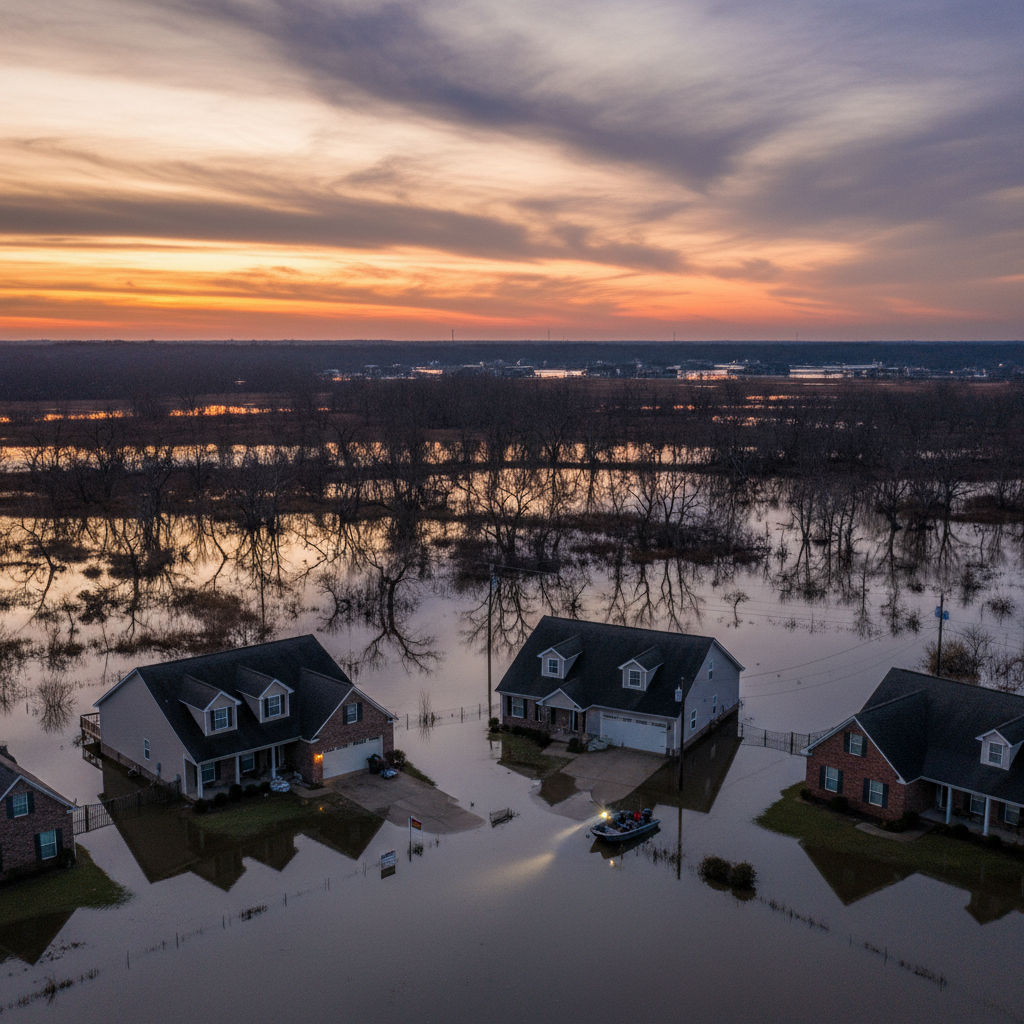
كشفت دراسة رائدة حديثة، نُشرت في مجلة "نيتشر ووتر" المرموقة، عن تكلفة اقتصادية باهظة مرتبطة بفقدان الأراضي الرطبة عبر الولايات المتحدة. تشير الأبحاث إلى أنه منذ عام 1985، ساهم تدهور هذه النظم البيئية الطبيعية الحيوية واختفاؤها بشكل مباشر في زيادة تجاوزت 10 مليارات دولار في مدفوعات مطالبات التأمين ضد الفيضانات السكنية. يؤكد هذا الرقم المثير للقلق الدور الذي لا غنى عنه للأراضي الرطبة كحواجز طبيعية ضد أضرار فيضانات الأنهار، وهي وظيفة غالبًا ما يتم التقليل من شأنها في التخطيط الحضري والتنمية.
تُعرف الأراضي الرطبة، التي تشمل المستنقعات والسبخات والبرك، غالبًا باسم "إسفنج الطبيعة". فهي تتمتع بقدرة استثنائية على امتصاص واحتجاز كميات هائلة من المياه، خاصة خلال الأمطار الغزيرة والعواصف. من خلال إبطاء تدفق المياه، وتخزين الجريان السطحي الزائد، وإطلاقه تدريجيًا، تقلل الأراضي الرطبة بشكل كبير من ذروة شدة الفيضانات، وبالتالي تحمي المجتمعات والمنازل والبنية التحتية الحيوية في المناطق السفلية من الغمر المدمر. كما أن أنظمتها الجذرية المعقدة تعمل على تثبيت التربة، مما يمنع التآكل ويحافظ على جودة المياه.
تقدم نتائج الدراسة حجة اقتصادية قوية للحفاظ على الأراضي الرطبة، وتحول النقاش من الفوائد البيئية البحتة إلى تداعيات مالية ملموسة. تمثل الزيادة البالغة 10 مليارات دولار في تعويضات التأمين عبئًا ماليًا مباشرًا على أصحاب المنازل وقطاع التأمين، مما يسلط الضوء على التكاليف الخفية للتدهور البيئي. تشير الدراسة إلى أن الحفاظ على الأراضي الرطبة واستعادتها ليس مجرد ضرورة بيئية، بل هو استثمار اقتصادي سليم يحقق عوائد كبيرة من خلال التخفيف من مخاطر الكوارث وتقليل نفقات التعافي. هذا يبرز كيف أن الحلول الطبيعية يمكن أن تكون أكثر فعالية من حيث التكلفة على المدى الطويل مقارنة بالتدخلات الهندسية الباهظة.
تأتي هذه الأبحاث في وقت حرج حيث تتصارع العديد من المناطق في جميع أنحاء العالم مع تزايد وتيرة وشدة الظواهر الجوية المتطرفة، والتي تتفاقم بسبب تغير المناخ. إن الفقدان المستمر للأراضي الرطبة نتيجة للتوسع الحضري، والتحويل الزراعي، والأنشطة البشرية الأخرى يقلل من مرونتنا الطبيعية في مواجهة هذه التهديدات. تدعو الدراسة ضمنيًا إلى تحول نموذجي في استراتيجيات إدارة الفيضانات، داعية إلى دمج أكبر للحلول القائمة على الطبيعة جنبًا إلى جنب مع الأساليب الهندسية التقليدية.
يواجه صانعو السياسات والمخططون الحضريون الآن أدلة قوية تثبت العواقب الاقتصادية طويلة الأجل لإهمال الدفاعات الطبيعية ضد الفيضانات. قد يثبت الاستثمار في مبادرات استعادة وحماية الأراضي الرطبة أنه حل أكثر فعالية من حيث التكلفة واستدامة من دفع مليارات الدولارات مرارًا وتكرارًا في مطالبات التأمين ضد الفيضانات. تعد هذه الدراسة بمثابة تذكير صارخ بأن صحتنا البيئية مرتبطة ارتباطًا وثيقًا برفاهيتنا الاقتصادية، مما يستدعي بذل جهود فورية ومنسقة لحماية هذه النظم البيئية التي لا تقدر بثمن للأجيال القادمة. يجب أن يكون الحفاظ على الأراضي الرطبة أولوية قصوى في الأجندات الوطنية والدولية.