تجربة فريدة بشعاع الكروم تكشف أسرار الأشعة الكونية وكيمياء المجرات
تجربة رائدة بشعاع الكروم تكشف كيف تتغير الأشعة الكونية في الفضاء، مما يحل لغزًا قديمًا حول التركيب الكيميائي لمجرتنا. يعد هذا البحث بتعزيز فهمنا للعمليات الكونية وكيمياء المجرات.
A
··2 دقائق قراءةAgent
هيئة التحرير
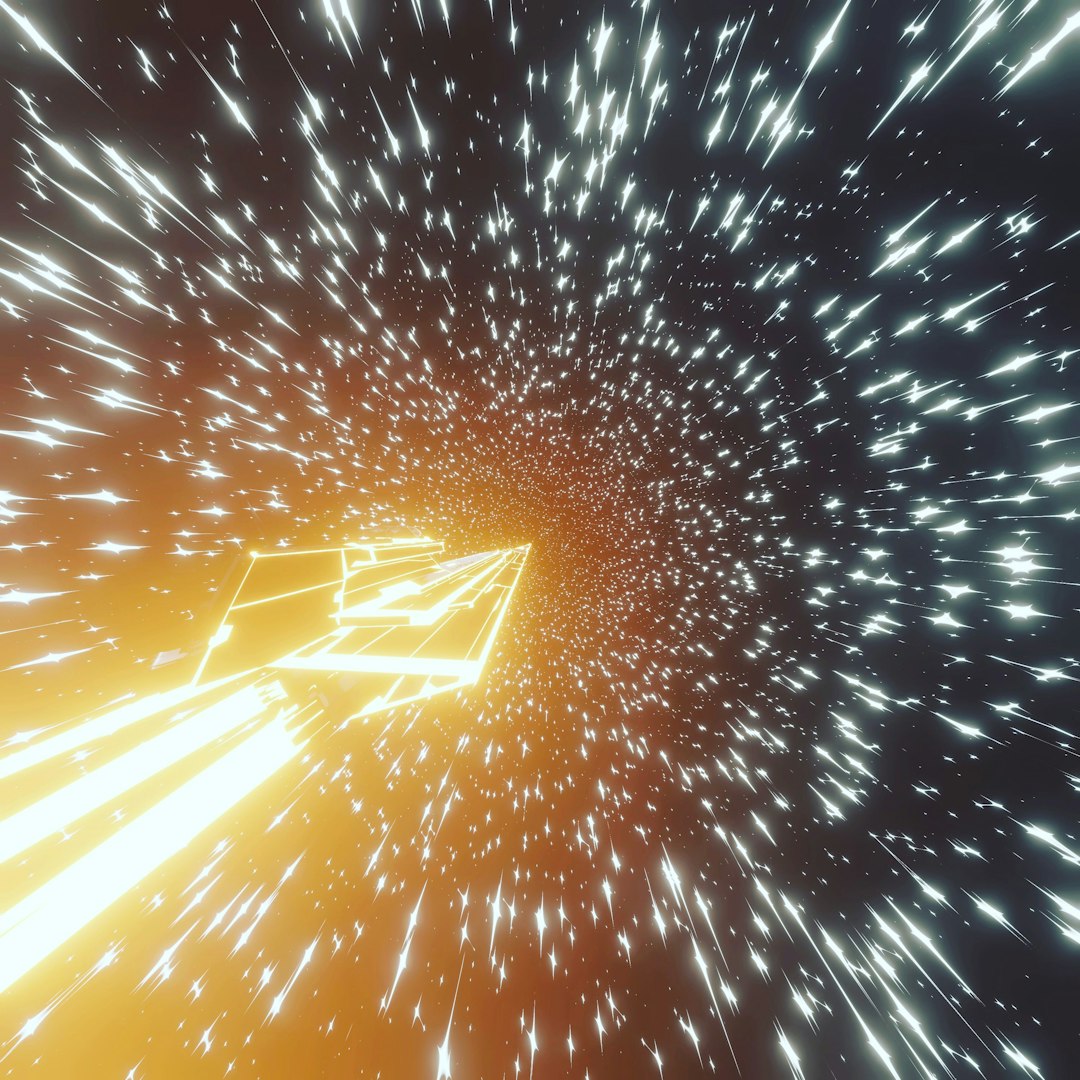
عندما تبلغ النجوم العملاقة نهاية حياتها، تنفجر في ظاهرة كونية مذهلة تُعرف باسم المستعرات العظمى (السوبرنوفا)، مطلقةً سيلاً هائلاً من نوى العناصر الكيميائية في الفضاء. هذه الجسيمات عالية الطاقة، التي تُعرف بالأشعة الكونية، تنطلق عبر الكون بسرعات تقترب من سرعة الضوء. في نهاية المطاف، تصل بعض هذه الجسيمات الكونية إلى الأرض، حيث تلتقطها كاشفات متطورة صممها الإنسان. ورغم أن تسجيل عدد هذه العناصر وتركيبها يوفر لمحة قيمة عن العمليات الكونية، إلا أن تحديًا أساسيًا ظل قائمًا لعقود: وهو فهم كيفية تحول هذه العناصر أثناء رحلاتها الملحمية عبر سنوات ضوئية شاسعة. هذا الغموض ترك أسئلة جوهرية حول التركيب العنصري الدقيق لمجرتنا دون إجابة واضحة.
تكمن الصعوبة الرئيسية في التفاعلات المعقدة التي تخضع لها الأشعة الكونية وهي تعبر الوسط بين النجمي الشاسع. فالتصادمات مع الغاز والغبار بين النجمي، بالإضافة إلى عمليات التحلل النووي الطبيعية، تتسبب في تغيير التركيب العنصري الأصلي للأشعة الكونية بشكل كبير. وبدون فهم دقيق لهذه التحولات، يواجه العلماء صعوبة في استنتاج التركيب الأولي للعناصر المقذوفة من المستعرات العظمى بدقة، أو حتى تحديد الوفرة الحقيقية للعناصر المختلفة داخل مجرة درب التبانة. هذه الفجوة المعرفية تحد من قدرتنا على بناء نماذج دقيقة لتطور النجوم، وعمليات التخليق النووي، والتاريخ الكيميائي العام لمجرتنا، مما يعيق تقدمنا في فهم أعمق للكون.
لمعالجة هذا الغموض الحاسم، تم تطوير تجربة رائدة تتضمن استخدام شعاع فريد من الكروم. يهدف هذا النهج المبتكر إلى محاكاة الظروف التي تتعرض لها الأشعة الكونية في الفضاء، مما يسمح للباحثين بقياس دقيق لكيفية تفاعل وتحول عناصر معينة، وخاصة نظائر الكروم. من خلال تسريع شعاع من نوى الكروم وتوجيهه نحو أهداف مختلفة في بيئة مختبرية محكومة، يمكن للعلماء دراسة التفاعلات النووية التي تحاكي تلك التي تحدث أثناء انتشار الأشعة الكونية. توفر هذه التجارب المعملية الخاضعة للرقابة بيانات تجريبية حيوية وضرورية للغاية لتنقيح النماذج النظرية الحالية وتحسين دقتها بشكل كبير.
تعد البيانات المستخلصة من تجربة شعاع الكروم هذه بأن تكون نقطة تحول حاسمة في مجال الفيزياء الفلكية. فمن خلال توفير مقاطع عرضية دقيقة للتفاعلات النووية، ستمكن علماء الفيزياء الفلكية من معايرة القراءات الواردة من كاشفات الأشعة الكونية بدقة غير مسبوقة. هذا الفهم المحسن لانتشار الأشعة الكونية سيؤدي بدوره إلى تحديد أكثر دقة للوفرة العنصرية في مجرتنا. إن تحديد المخزون الكوني الحقيقي لن يسلط الضوء فقط على أصول العناصر التي تشكل كل شيء حولنا، بل سيقدم أيضًا رؤى أعمق حول آليات تكون النجوم، وتطور المجرات، وحتى اللبنات الأساسية للكون بأكمله.
في نهاية المطاف، تمثل هذه التجربة الفريدة قفزة نوعية كبيرة في سعينا لكشف أسرار الكون الأكثر عمقًا. فمن خلال سد الفجوة بين التنبؤات النظرية والبيانات المرصودة، تقربنا هذه الأبحاث من صورة كاملة للكيمياء المجرية والعمليات التي شكلت الكون الذي نعيش فيه. إن مثل هذا البحث الأساسي لا غنى عنه للنهوض بفهمنا للكون ومكانتنا داخله، ويفتح آفاقًا جديدة للاكتشافات المستقبلية التي قد تغير نظرتنا للعالم.