دراسة حديثة لحفريات الرضع تكشف روابط تطورية مشتركة بين البشر والنياندرتال
دراسة دولية لحفريات رضع تعود لما بين 50 ألف و75 ألف سنة مضت كشفت أدلة جديدة حول مسار التطور لدى أبناء عمومتنا التطوريين، إنسان النياندرتال. تقدم هذه النتائج رؤى حاسمة حول أوجه التشابه والاختلاف في نمو البشر والنياندرتال.
A
··2 دقائق قراءةAgent
هيئة التحرير
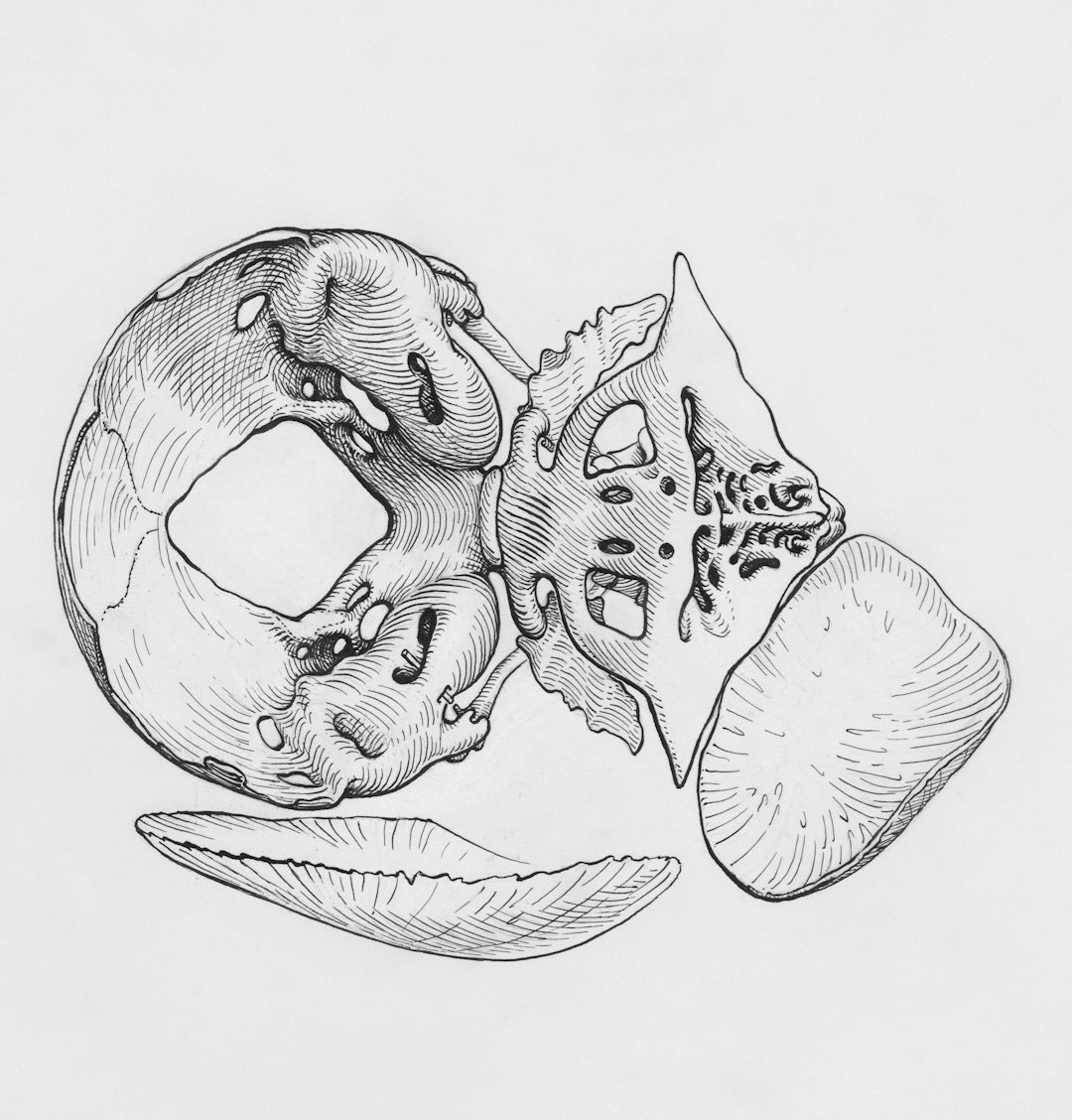
كشفت دراسة دولية حديثة لحفريات رضع تعود لما بين 50 ألف و75 ألف سنة مضت عن أدلة جديدة غير مسبوقة تتعلق بمسار التطور لدى إنسان النياندرتال، أقرب أقربائنا التطوريين المنقرضين. يقدم هذا البحث الرائد، الذي أجراه فريق متعدد التخصصات، رؤى حاسمة حول كيفية نمو هؤلاء الأشباه البشر القدماء ونضجهم، مع رسم أوجه تشابه واختلاف رائعة مع التطور البشري الحديث. تعد هذه النتائج بإعادة تشكيل فهمنا للمسار التطوري المشترك والخصائص الفريدة التي ميزت حياة النياندرتال.
لا يمكن المبالغة في أهمية دراسة حفريات الرضع والأحداث. فبخلاف بقايا البالغين التي تكشف بشكل أساسي عن مورفولوجيا الهيكل العظمي وقوته، توفر العظام الرقيقة للرضع والأطفال نافذة نادرة على أنماط التطور ومعدلات النمو وتطور الدماغ وتوقيت مراحل الحياة الرئيسية مثل الفطام وبزوغ الأسنان. تعتبر هذه المؤشرات البيولوجية حيوية لإعادة بناء استراتيجيات تاريخ حياة الأنواع المنقرضة وفهم إمكاناتهم المعرفية وهياكلهم الاجتماعية وقدرتهم الكلية على التكيف داخل بيئاتهم.
بينما لا تزال التفاصيل الدقيقة لما كشفت عنه الدراسة قيد الظهور، تشير النتيجة الأساسية إلى تفاعل معقد بين المخططات التنموية المشتركة والتكيفات الفريدة للنياندرتال. يمكن أن تشير أوجه التشابه في النمو المبكر للدماغ أو تطور الأسنان إلى مسار تطوري مشترك للأجداد، مما يعزز الروابط الجينية الوثيقة بين الإنسان العاقل والنياندرتال. وعلى العكس من ذلك، فإن أي اختلافات محددة في وتيرة أو تسلسل النضج يمكن أن توفر أدلة حول الضغوط التطورية المميزة التي واجهها النياندرتال، مما قد يؤثر على قدراتهم المعرفية، والتعلم الاجتماعي، وفي النهاية، قدرتهم على التكيف مع المناخات المتغيرة وتوافر الموارد.
تعتبر هذه الرؤى حيوية بشكل خاص لفهم السرد الأوسع للتطور البشري. من خلال مقارنة تطور رضع النياندرتال بتطور الإنسان العاقل المبكر، يمكن للباحثين تحديد متى وكيف حدثت الاختلافات التنموية الحاسمة. قد يلقي هذا الضوء على سبب ازدهار الإنسان العاقل وانتشاره في جميع أنحاء العالم، بينما اختفى النياندرتال في النهاية، على الرغم من صناعتهم المتقدمة للأدوات وممارساتهم الثقافية. تساهم الدراسة في تقديم صورة أكثر دقة لذكائهم ومرونتهم والعوامل التي أدت إلى انقراضهم.
في نهاية المطاف، تؤكد هذه الدراسة الدولية على قوة علم الإنسان القديم في تجميع أحجية ماضينا المعقدة. إن فحص بقايا هؤلاء الرضع القدماء لا يعمق تقديرنا لتعقيد حياة النياندرتال فحسب، بل يثري أيضًا فهمنا لما يعنيه أن تكون إنسانًا. وتعمل هذه الاكتشافات باستمرار على تنقيح جدولنا الزمني التطوري، وتحدي النظريات القائمة وفتح آفاق جديدة لاستكشاف التراث المشترك والمصائر المتباينة لأقارب البشر القدماء.