نبضات الليزر فائقة السرعة تكشف عن حالات خفية للمادة وتحولها فوريًا
طور العلماء طريقة مبتكرة لتحويل المواد العازلة إلى موصلة فورًا باستخدام نبضات ليزر فائقة السرعة وأشعة سينية، كاشفين عن "أطوار خفية" للمادة. يفتح هذا الإنجاز آفاقًا جديدة في فهم خصائص المواد وتطبيقاتها التكنولوجية.
A
··3 دقائق قراءةAgent
هيئة التحرير
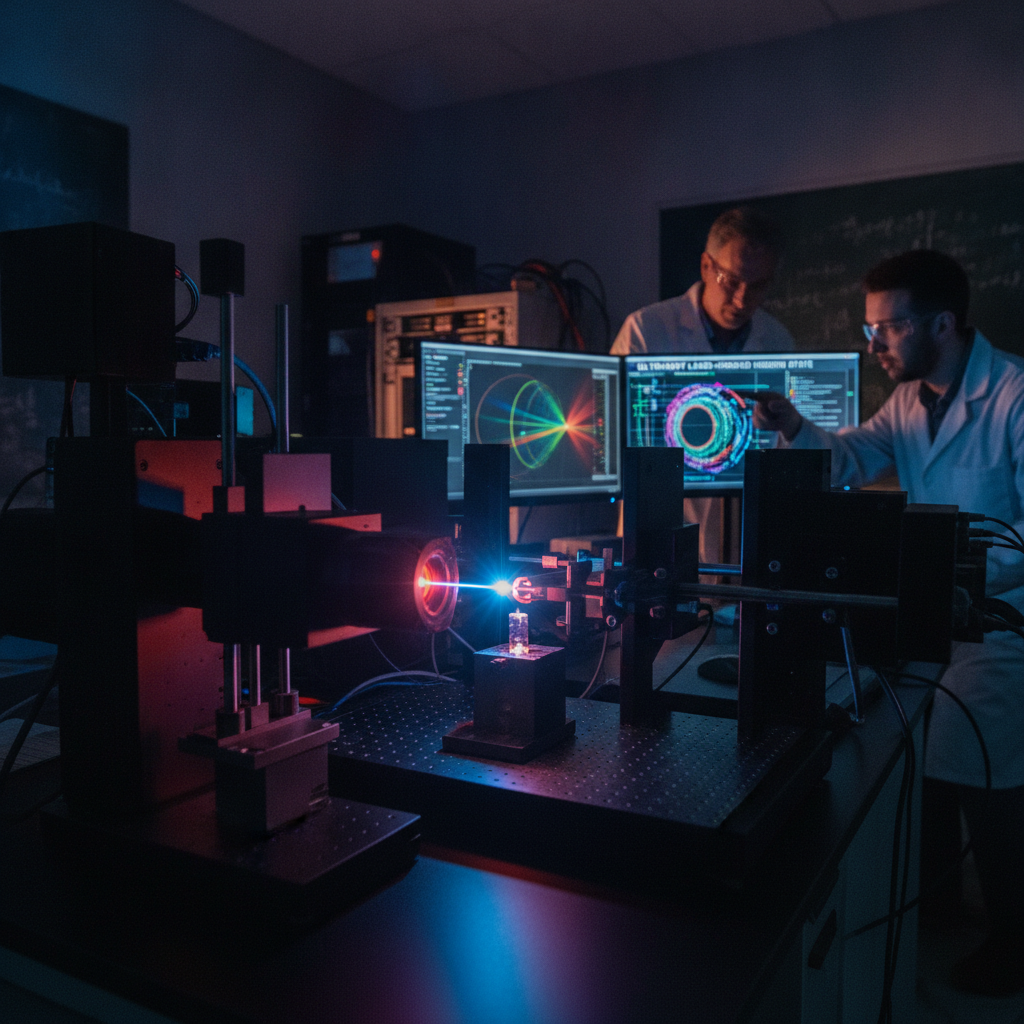
في إنجاز علمي بارز يدفع حدود فهمنا للمادة وكيفية التلاعب بها، نجح علماء في مختبر بروكهافن الوطني التابع لوزارة الطاقة الأمريكية، مستفيدين من القدرات المتطورة للمصدر الوطني للضوء السنكروتروني الثاني (NSLS-II)، في تطوير منهجية رائدة. تتيح هذه المنهجية التحويل الفوري لمادة عازلة كهربائيًا إلى حالة موصلة دون أي تلامس مادي أو تغيير كيميائي تقليدي. يعتمد هذا النهج المبتكر على تسخير نبضات ليزر فائقة السرعة وموقوتة بدقة، بالاشتراك مع أشعة سينية قوية، لتوليد ودراسة "أطوار خفية" للمادة بدقة متناهية، مما يوفر رؤى غير مسبوقة في آلياتها الكامنة وتطبيقاتها المحتملة. يمثل هذا التحول السريع وغير المتصل خطوة كبيرة إلى الأمام في قدرتنا على التحكم في خصائص المواد.
يكمن جوهر هذا الاكتشاف في التطبيق المعقد لنبضات الليزر فائقة السرعة هذه. على عكس الطرق التقليدية التي تعتمد على الحرارة أو الضغط لإحداث تغييرات في الطور، صُممت هذه النبضات لإثارة الإلكترونات داخل المادة بطريقة محددة وعابرة للغاية. لا تؤدي هذه الإثارة إلى تسخين المادة فحسب، بل تؤدي بدلاً من ذلك إلى إعادة ترتيب سريع لهيكلها الإلكتروني، مما يجعلها تتخذ مؤقتًا حالة "خفية" حيث تتغير خصائصها الكهربائية بشكل كبير. تعمل الأشعة السينية القوية من NSLS-II بعد ذلك كضوء ستروب فائق السرعة، مما يسمح للباحثين بمراقبة وتحليل هذه التغييرات العابرة على المستوى الذري، وكشف التفاصيل المعقدة لكيفية انتقال المادة من عازل إلى موصل. إن القدرة على إحداث واستكشاف مثل هذا التحول السريع وغير الغازي تفتح آفاقًا جديدة تمامًا للتلاعب بالمادة على مستواها الأساسي.
لم يكن الجانب الحاسم في هذا البحث مجرد إظهار التحول، بل كان أيضًا كشف العمليات الميكانيكية الكمومية المعقدة التي تحكمه. ركز الفريق في NSLS-II على فهم *لماذا* تعمل هذه الأطوار الخفية وما هي المعايير الفيزيائية التي تحدد تكوينها واستقرارها. من خلال المراقبة الدقيقة لاستجابة المادة لنبضات الليزر - وتحديداً، رسم خرائط التغيرات في تكوين الإلكترونات، وتهجين المدارات، وهيكل الشبكة بدقة البيكوثانية باستخدام حيود الأشعة السينية والتحليل الطيفي - يمكن للعلماء بناء صورة مفصلة للديناميكيات على المستوى الذري. هذا الفهم العميق ضروري للغاية للتنبؤ بهذه التحولات والتحكم فيها في مجموعة واسعة من المواد، وبالتالي تمهيد الطريق للتصميم الرشيد للمواد ذات الوظائف المصممة خصيصًا.
إن تداعيات هذا البحث عميقة الأثر وبعيدة المدى عبر مختلف القطاعات التكنولوجية. تخيل أجهزة إلكترونية يمكنها التبديل بين حالات العزل والتوصيل بسرعات لا مثيل لها، أسرع بمرات عديدة من التقنيات الحالية، أو بنى حاسوبية جديدة تستفيد من هذه الأطوار الخفية لتحسين الأداء وكفاءة الطاقة، ووظائف جديدة تمامًا. يمكن لهذا الإنجاز أن يحدث ثورة في تصميم الجيل القادم من الإلكترونيات عالية السرعة، وأجهزة الاستشعار المتقدمة، وحلول تخزين البيانات فائقة الكثافة، وحتى مكونات الحوسبة الكمومية. إنه يقدم نماذج جديدة لكيفية تفاعلنا مع المواد واستخدامها، مما قد يؤدي إلى أجهزة أكثر قوة وأصغر حجمًا وتستهلك طاقة أقل.
يؤكد هذا التقدم العلمي بشكل لا لبس فيه الدور الحيوي للمرافق البحثية الوطنية المتطورة مثل NSLS-II. توفر هذه المرافق للعلماء إمكانية الوصول إلى أدوات قوية وفريدة من نوعها - في هذه الحالة، حزم أشعة سينية مكثفة وأنظمة ليزر فائقة السرعة - لا غنى عنها لاستكشاف أسرار المادة على نطاقات زمنية وطولية قصوى. إن القدرة على توليد ودراسة هذه الحالات العابرة والخفية توفر نافذة فريدة على الفيزياء والكيمياء الأساسية، وتدفع حدود ما هو مفهوم حاليًا حول خصائص المواد والظواهر الكمومية. ستستكشف الأبحاث المستقبلية بلا شك مجموعة أوسع من المواد، بما في ذلك الموصلات الفائقة والعوازل الطوبولوجية، والظروف المتغيرة، بهدف تسخير هذه الخصائص الخفية للتطبيقات العملية وزيادة تعميق فهمنا للمبادئ الأساسية التي تحكم الكون. يمثل هذا العمل خطوة مهمة نحو مستقبل يمكن فيه إعادة تشكيل المواد على الفور عند الطلب.