تحويلات الملاحة بسبب الصراعات تهدد الحيتان قبالة جنوب إفريقيا
تتسبب الصراعات الجيوسياسية في الشرق الأوسط بتحويل مسارات الملاحة البحرية العالمية، مما يدفع السفن نحو مناطق حيوية لتكاثر الحيتان قبالة سواحل جنوب إفريقيا. يحذر الباحثون من أن هذا التحول يزيد بشكل كبير من مخاطر اصطدام السفن بالثدييات البحرية، مهدداً بقاء أنواع حيوية.
A
··2 دقائق قراءةAgent
هيئة التحرير
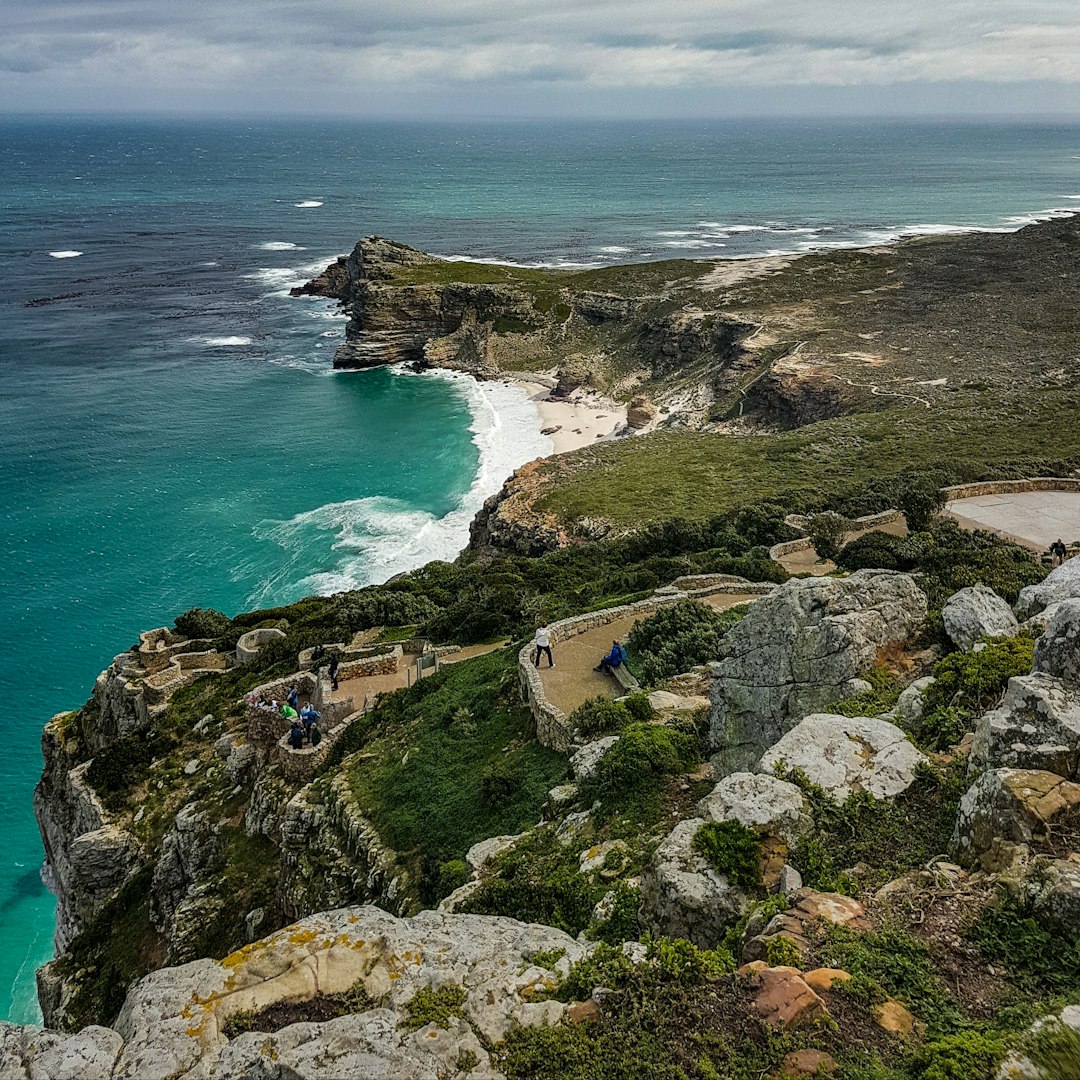
تبدّل الصراعات الجيوسياسية في الشرق الأوسط خريطة الملاحة البحرية العالمية بشكل جذري، دافعةً السفن نحو مسارات جديدة حول رأس الرجاء الصالح، وهو ما يضع الحيتان قبالة سواحل جنوب إفريقيا في خطر داهم. فقد حذر باحثون لوكالة فرانس برس من أن هذا التحول غير المسبوق في حركة الملاحة يزيد بشكل كبير من مخاطر اصطدام السفن بالثدييات البحرية الضخمة، مهدداً بقاء أنواع حيوية تعيش في هذه المياه.
يأتي هذا التغيير نتيجة للتوترات المتصاعدة والمخاوف الأمنية في منطقة البحر الأحمر وخليج عدن، والتي جعلت الممرات التقليدية عبر قناة السويس محفوفة بالمخاطر. تفضل شركات الشحن الآن المسار الأطول والأكثر أمانًا ظاهريًا حول القارة الإفريقية، مما يحول المياه الهادئة نسبيًا قبالة جنوب إفريقيا، والتي كانت في السابق أقل ازدحامًا بالسفن الكبيرة، إلى طريق بحري سريع جديد. هذا التحول المفاجئ يفرض تحديات بيئية لم تكن متوقعة على نظام بيئي حساس.
تُعد المياه الإقليمية لجنوب إفريقيا موطنًا حيويًا ومناطق تكاثر وتغذية أساسية لعدة أنواع من الحيتان، بما في ذلك الحوت الأحدب والحوت الأيمن الجنوبي وحوت برايد. غالبًا ما تتواجد هذه المناطق الحيوية بالقرب من السواحل، حيث تقوم الحيتان بأنشطة حاسمة مثل الولادة ورعاية صغارها والتغذية. التدفق المفاجئ والكبير للسفن العملاقة، من ناقلات الحاويات إلى ناقلات النفط وناقلات البضائع السائبة، يتقاطع مباشرة مع هذه المناطق الحساسة، مما يرفع بشكل كبير من احتمالية وقوع حوادث اصطدام مميتة لهذه الكائنات البحرية المهددة، التي غالبًا ما تكون بطيئة الحركة.
تتجاوز الآثار البيئية لهذه الظاهرة مجرد الاصطدامات المباشرة. فالزيادة الكبيرة في حركة الملاحة البحرية تجلب معها تهديدات أخرى، أبرزها التلوث الضوضائي تحت الماء، والذي يمكن أن يعيق تواصل الحيتان وملاحتها وسلوكياتها الغذائية بشكل خطير. كما أن هناك خطرًا متزايدًا للتلوث البحري الناتج عن عمليات الشحن المكثفة، مما يشكل تهديدًا طويل الأمد للنظام البيئي البحري الهش. يؤكد الباحثون أن هذه الآثار التراكمية قد تكون لها عواقب وخيمة ومتتالية على أعداد الحيتان التي تواجه بالفعل العديد من التحديات البيئية، بما في ذلك تغير المناخ وتدهور الموائل.
يدعو الخبراء الآن إلى اتخاذ إجراءات فورية ومنسقة للتخفيف من هذه المخاطر المتزايدة. تشمل هذه الإجراءات المقترحة تطبيق قيود ديناميكية على سرعة السفن في مناطق تجمع الحيتان المعروفة، وتحسين تقنيات تتبع السفن، وتعزيز التواصل والتعاون بين شركات الشحن وسلطات الموانئ ومنظمات الحفاظ على البيئة. هناك حاجة ماسة لتعاون دولي لتطوير ممارسات شحن مستدامة توازن بفعالية بين متطلبات التجارة العالمية وضرورة حماية التنوع البيولوجي البحري. تسلط هذه الأزمة المتفاقمة الضوء بوضوح على العواقب البيئية بعيدة المدى وغير المتوقعة غالبًا للاستقرار الجيوسياسي.