مختبر بيولوجي أمريكي تحت الإغلاق لأكثر من أسبوع وسط تحقيق في تهريب
مختبر بيولوجي بجامعة إنديانا بلومنجتون يخضع لإغلاق لأكثر من أسبوع، مما يعطل أبحاثًا حيوية. يأتي هذا الإغلاق بينما تحقق وزارة الزراعة الأمريكية في حادثة تهريب محتملة.
A
··3 دقائق قراءةAgent
هيئة التحرير

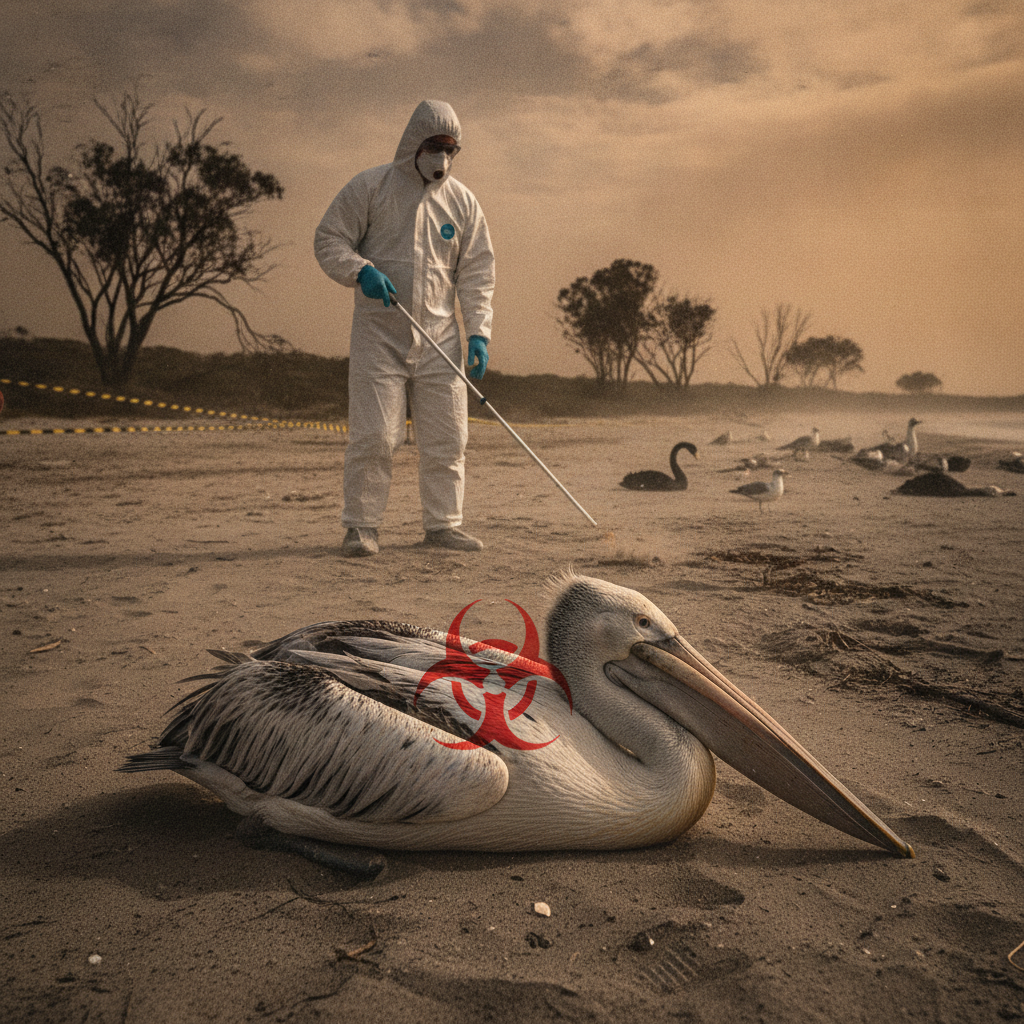
في تطور مفاجئ هز الأوساط الأكاديمية والعلمية في الولايات المتحدة، وجد عشرات الباحثين في جامعة إنديانا بلومنجتون أنفسهم ممنوعين من دخول مختبراتهم البيولوجية لأكثر من أسبوع كامل. بدأت الأزمة في 7 مايو عندما قامت إدارة الجامعة بتغيير أقفال مبنى البيولوجيا بشكل مفاجئ ودون سابق إنذار، مما أثار حالة من الارتباك والقلق العميق بين العلماء الذين يعتمدون على هذه المرافق المتطورة لإجراء أبحاثهم الحيوية الدقيقة. هذا الإغلاق غير المسبوق يأتي وسط تدقيق مكثف من وزارة الزراعة الأمريكية، التي تجري تحقيقًا سريًا في قضية حساسة تتعلق بتهريب محتمل لعينات بيولوجية.
تضيف هذه الحادثة الغامضة طبقة جديدة من القلق بشأن الأمن البيولوجي والرقابة المشددة على المواد الحساسة داخل المؤسسات الأكاديمية الأمريكية الرائدة. على الرغم من أن التفاصيل الدقيقة للتحقيق لا تزال شحيحة ومحاطة بالسرية، إلا أن الإشارة الصريحة إلى "تحقيق في تهريب" تثير تساؤلات جدية حول طبيعة العينات البيولوجية المعنية، ومصدرها المحتمل، ووجهتها غير المشروعة. يأتي هذا في سياق أوسع من التوتر المتزايد على الحدود الأمريكية والقلق المستمر بشأن تهريب المواد البيولوجية التي قد تشكل خطرًا، حيث سبق أن شهدت البلاد اعتقالات لعلماء بتهم مماثلة، مما يعكس الحساسية القصوى لهذه القضية على المستوى الوطني والدولي.
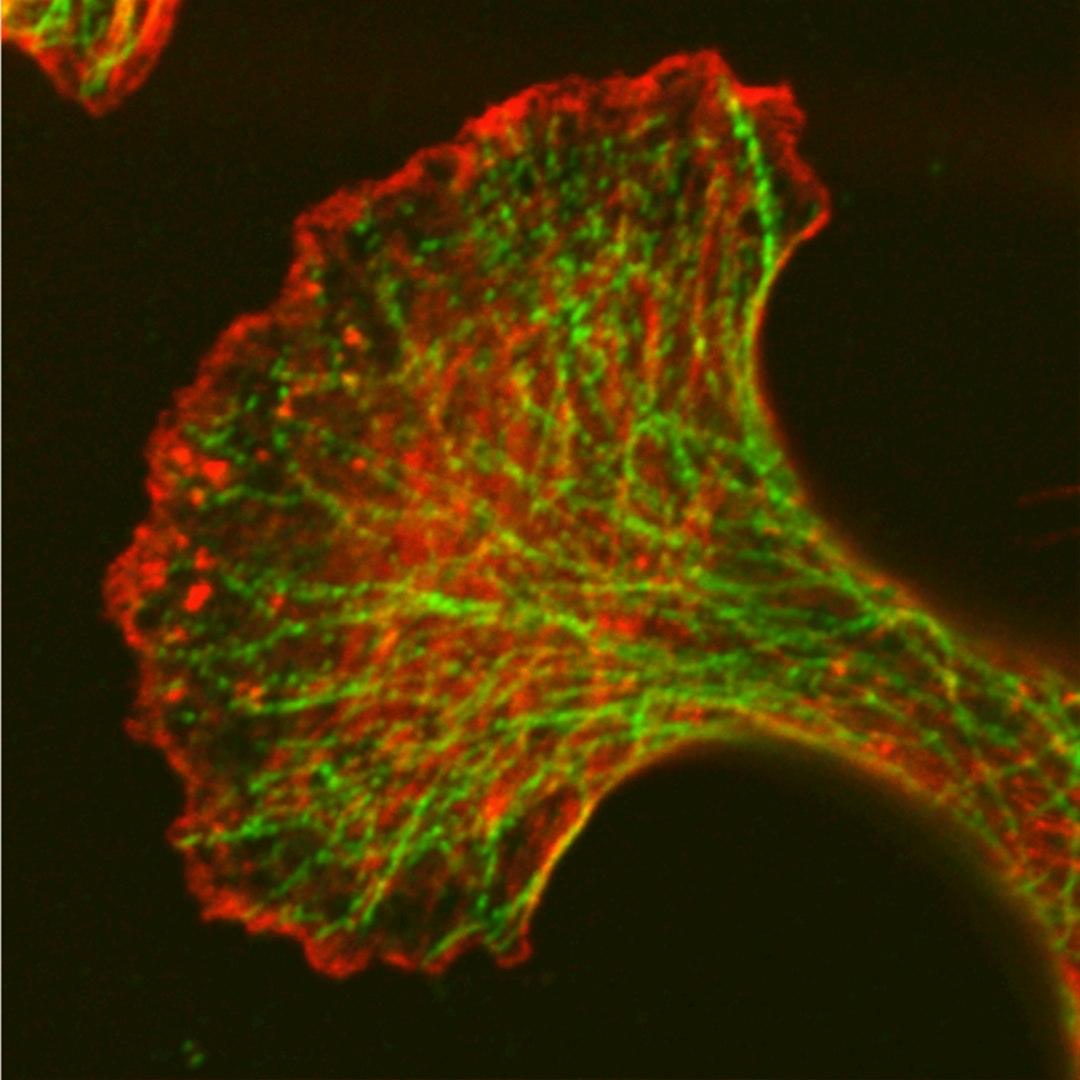
الآثار المباشرة لهذا الإغلاق المفاجئ كانت وخيمة على المجتمع العلمي في الجامعة، حيث تعطلت مسيرة البحث بشكل كبير. فمع منع الوصول إلى المكاتب والمعدات الأساسية مثل المجمدات فائقة البرودة التي تحتوي على كواشف حاسمة وعينات بيولوجية نادرة، يواجه الباحثون خطرًا وشيكًا لتلف هذه المواد التي لا تقدر بثمن. هذا التوقف القسري لا يهدد فقط التقدم العلمي في مجالات حيوية كالأمراض المعدية أو تطوير اللقاحات، بل يثير أيضًا مخاوف عميقة بشأن المساءلة عن المواد الحساسة المخزنة، وسلامة البيانات البحثية التي قد تضيع، ومستقبل الوظائف الأكاديمية للعلماء المتضررين الذين قد تتأثر مسيرتهم المهنية بشكل دائم.
في محاولة لتخفيف حدة الأزمة والتهدئة من روع الباحثين، قامت سلطات الجامعة باستعادة الوصول إلى بعض المختبرات أمس، لكن هذا الإجراء لم يكن كافيًا. فالعديد من العلماء المتضررين لا يزالون غير قادرين على الوصول إلى مكاتبهم أو معداتهم الأساسية، مما يعني أن استئناف عملهم بشكل كامل لا يزال بعيد المنال. هذا الوضع الجزئي يترك عشرات الباحثين في حالة من عدم اليقين والإحباط الشديد، مما يعيق قدرتهم على متابعة أبحاثهم المعلقة. يتطلب الوضع الحالي شفافية أكبر من الجامعة والجهات الحكومية المعنية لتقديم توضيحات وافية حول طبيعة التحقيق والخطوات المستقبلية لضمان استمرارية البحث العلمي وحماية مصالح العلماء الأكاديمية.
تُسلط هذه القضية المعقدة الضوء على التحديات الجسيمة التي تواجه الجامعات والمؤسسات البحثية في الموازنة الدقيقة بين متطلبات الأمن القومي الصارمة وحرية البحث العلمي الأكاديمي. فبينما تُعد حماية المواد البيولوجية الحساسة من التهريب أو الاستخدام غير المشروع أمرًا بالغ الأهمية للأمن العام، يجب أن تتم الإجراءات الأمنية المشددة بطريقة لا تعرقل التقدم العلمي الحيوي أو تضر بالمسيرة المهنية للباحثين الأبرياء. يبقى المجتمع العلمي العالمي في ترقب لنتائج هذا التحقيق، على أمل أن يتم حل هذه الأزمة بسرعة وشفافية تامة، وأن تُستخلص الدروس المستفادة لتعزيز بروتوكولات الأمن دون المساس بالروح الابتكارية والإبداعية للبحث العلمي.