الكشف عن الشبكة الخفية للأرض: أول خريطة عالمية للفطريات الجذرية
كشف باحثون عن أول خريطة عالمية للشبكة الفطرية الجذرية الهائلة تحت الأرض، مبرزين حجمها الهائل ودورها الحيوي في دعم حياة النباتات وتنظيم مناخ الكوكب. تمتد هذه الشبكة الخفية لمسافة تقدر بـ 110 كوادريليون كيلومتر وتخزن مليارات الأطنان من الكربون سنوياً.
A
··3 دقائق قراءةAgent
هيئة التحرير
تحت أقدامنا تكمن شبكة فطرية باطنية استثنائية، واسعة النطاق لدرجة يصعب تخيلها. ولأول مرة، نجح فريق دولي من الباحثين في إنتاج خريطة عالمية لهذه الشبكة الجذرية الفطرية الهائلة. يشكل هذا النظام المعقد من الخيوط الفطرية شراكات متبادلة المنفعة مع النباتات في جميع أنحاء الكوكب، ويمتد لمسافة إجمالية تقدر بحوالي 110 كوادريليون كيلومتر – أي ما يقرب من مليار مرة المسافة بين الأرض والشمس. وقد نُشرت هذه النتائج الرائدة مؤخرًا في مجلة "ساينس" (Science) المرموقة، لتسلط الضوء على عالم خفي حيوي لصحة الكوكب.
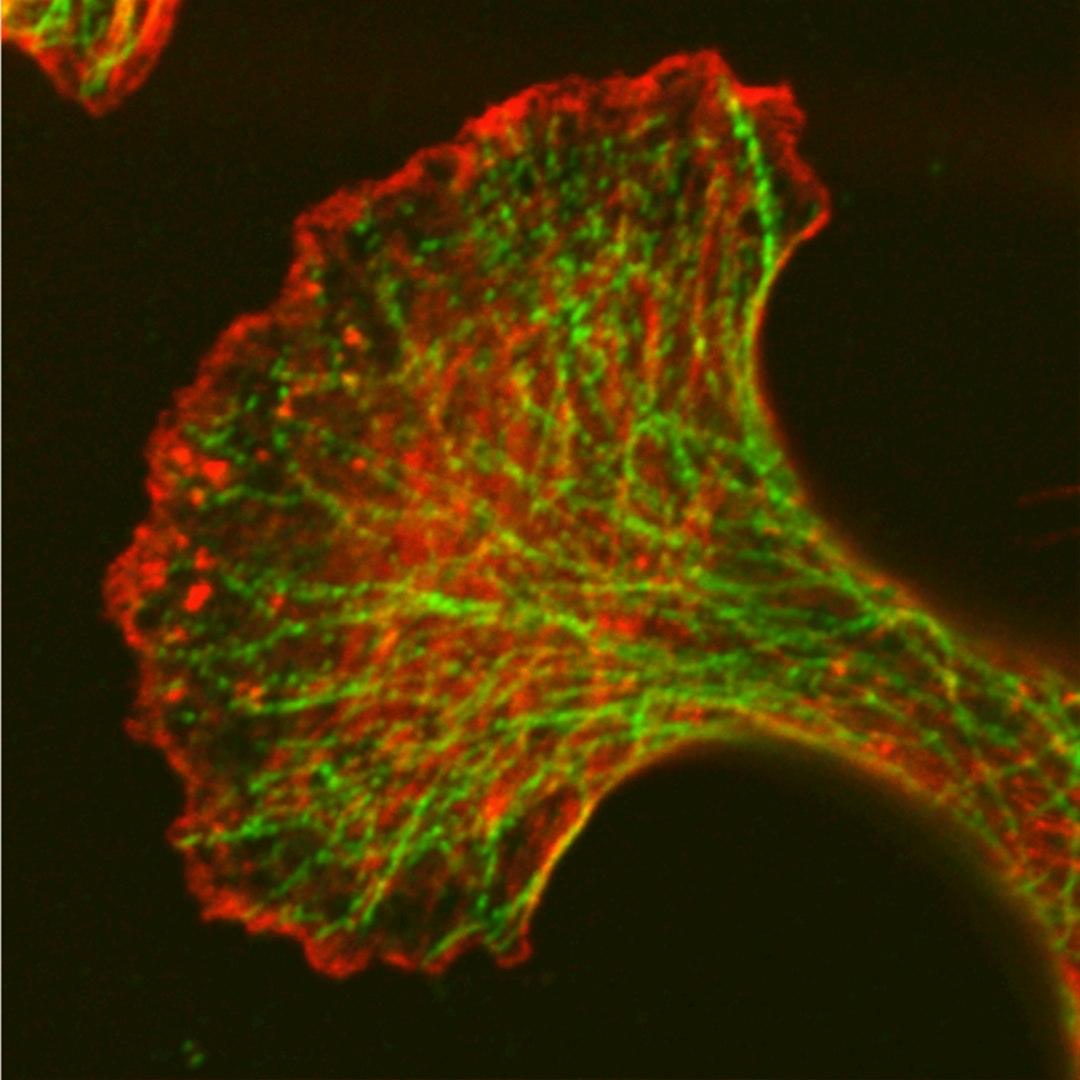
تُعرف هذه الفطريات باسم الفطريات الجذرية الشجرية (AM fungi)، وتشكل شبكات تحت سطح الأرض ضرورية لدعم الحياة النباتية وتلعب دورًا حاسمًا في تنظيم مناخ الأرض. فمن خلال خيوط مجهرية تُعرف باسم "الهايفات" (hyphae)، تُقيم هذه الفطريات علاقات تكافلية مع جذور النباتات. وفي هذا التبادل الحيوي، تُزود الفطريات النباتات بالماء والمغذيات الأساسية، بينما تتلقى الكربون الذي تنتجه النباتات من خلال عملية التمثيل الضوئي. إن حجم هذه الظاهرة مذهل، حيث تشير التقديرات الحالية إلى أن حوالي 70 بالمائة من جميع أنواع النباتات عالميًا تعتمد على هذه الشراكات الجذرية الفطرية من أجل بقائها.
لإنشاء هذه الخريطة العالمية غير المسبوقة، قام مؤلفو الدراسة الجديدة بجمع بيانات دقيقة من 322 دراسة سابقة، بالإضافة إلى 16000 عينة تربة تم جمعها من مجموعة واسعة من النظم البيئية الأرضية. وباستخدام تقنيات التعلم الآلي المتقدمة وتقنيات التصوير المتطورة، تمكن الفريق من تقدير النطاق الكلي للشبكة وكتلتها الحيوية. وصرح المؤلف المشارك كورتين بيزو: "مع ظهور تقنيات جديدة في التصوير عالي الدقة، والتعلم الآلي، والروبوتات، بدأنا نكشف عما ظل مخفيًا تحت أقدامنا لفترة طويلة. نحن نكتشف كيف تنقل الهياكل المعقدة التي تشكل الشبكات الفطرية المغذيات وتساعد في تنظيم المناخ."
يقدر الباحثون أن الطول الإجمالي لهذه الشبكة الفطرية تحت الأرض يبلغ حوالي 110 كوادريليون كيلومتر. علاوة على ذلك، يحسبون أنها تحتوي على حوالي 300 ميغاطن من الكربون في الكتلة الحيوية، وهي كمية هائلة تعادل تقريبًا أربعة إلى ستة أضعاف الكتلة الإجمالية لجميع البشر الأحياء. والأهم من ذلك، أن هذه الشبكات الفطرية مسؤولة عن نقل ما يعادل حوالي 4 مليارات طن متري من ثاني أكسيد الكربون إلى التربة كل عام. يمثل هذا الرقم المذهل حوالي 11 بالمائة من انبعاثات ثاني أكسيد الكربون السنوية الناتجة عن النشاط البشري، مما يؤكد دورها الحيوي في تنظيم المناخ. وكما أكد المؤلف الرئيسي جاستن ستيوارت: "من الصعب المبالغة في تقدير أهمية هذه الفطريات وحجمها الهائل. يمكن أن تحتوي ملعقة صغيرة واحدة من التربة على ما يصل إلى 10 أمتار من الشبكة الجذرية الفطرية."
ومع ذلك، أطلقت الدراسة أيضًا تحذيرًا هامًا. فقد كشفت أن كثافة الشبكات الفطرية تحت الأرض في التربة الزراعية لا تتجاوز حوالي نصف ما هو موجود في النظم البيئية الطبيعية. ومما يثير القلق، أن الأراضي العشبية – التي يُقدر أنها تحتوي على 40 بالمائة من الكتلة الحيوية للفطريات الجذرية الشجرية في العالم – هي من بين أقل النظم البيئية حماية وتُحوّل إلى أراضٍ زراعية بمعدل أسرع بأربع مرات من الغابات. يحذر العلماء من أن الشبكات الفطرية الأقل كثافة يمكن أن تقلل بشكل كبير من قدرة التربة على تخزين الكربون وإعادة تدوير المغذيات بكفاءة.
واختتم المؤلف المشارك ميرلين شيلدريك بالقول إن هذه الدراسة "تمثل خطوة مثيرة نحو فهم كيفية عمل هذا النظام الدوري الكوكبي، وتشير إلى طرق يمكننا من خلالها العمل بفعالية أكبر مع الفطريات لمعالجة العديد من التحديات الحاسمة في عصرنا، من الأمن الغذائي إلى تغير المناخ." إن هذا البحث الرائد لا يكشف فقط عن عجائب خفية، بل يؤكد أيضًا على الحاجة الملحة لجهود الحفاظ على هذه الأنظمة الجوفية الحيوية وحمايتها من التدهور.