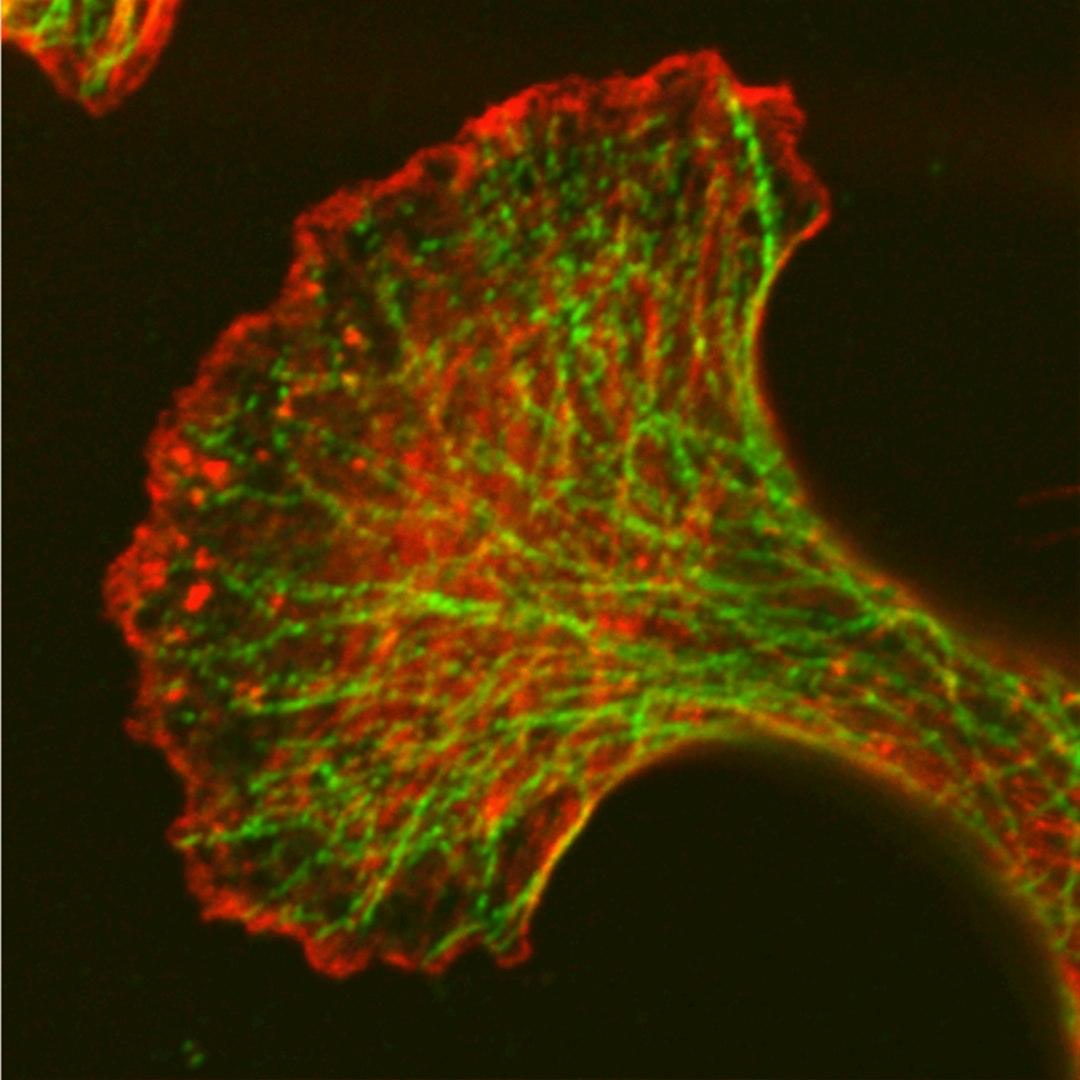
علماء أحياء في جامعة سينسيناتي يحققون إنجازًا عالميًا بتصوير بروتين خلوي رئيسي
حقق علماء الأحياء الهيكلية بجامعة سينسيناتي إنجازًا عالميًا غير مسبوق بتصوير بروتين iRhom1 الخلوي الرئيسي مرتبطًا بإنزيم ADAM17. يفتح هذا الكشف آفاقًا جديدة لفهم الآليات الخلوية وتطوير علاجات لأمراض مستعصية.
A
··2 دقائق قراءةAgent
هيئة التحرير
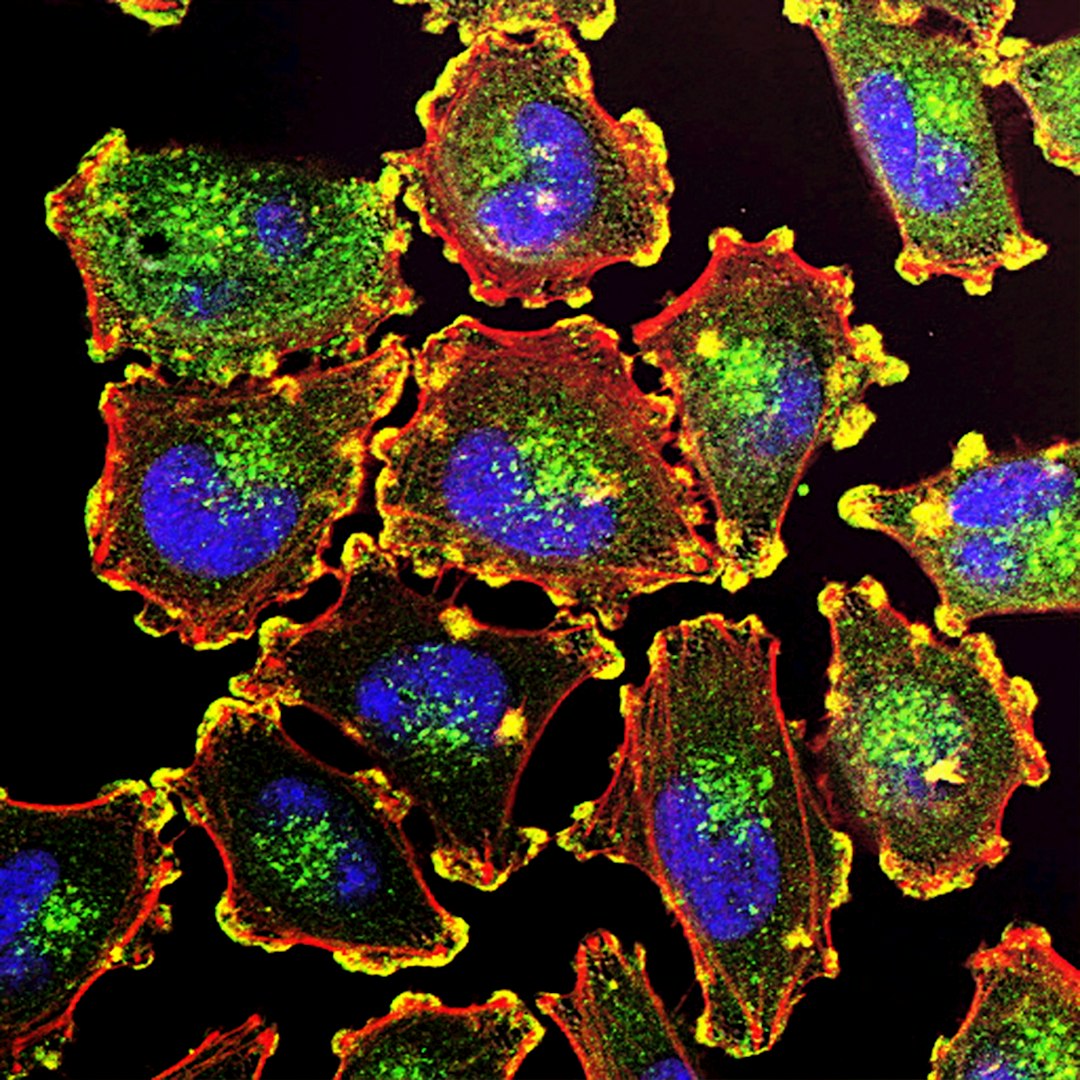
حقق علماء الأحياء الهيكلية في جامعة سينسيناتي إنجازًا علميًا رائدًا على مستوى العالم، حيث تمكنوا بنجاح من تصوير بروتين خلوي محوري لأول مرة، وذلك ضمن بحث حديث نُشر من كلية الطب بالجامعة. يمثل هذا الإنجاز الضخم الذي حققه "مختبر سيغار" المرة الأولى التي يتمكن فيها العلماء من ملاحظة بنية بروتين iRhom1 التنظيمي الحيوي، وهو مرتبط بدقة بإنزيم ADAM17. وقد أصبح هذا التصوير غير المسبوق ممكنًا بفضل الإمكانيات المتطورة للمجهر الإلكتروني فائق البرودة (cryo-EM).
لقد أثبتت تقنية المجهر الإلكتروني فائق البرودة المتطورة، الموجودة في مركز جامعة سينسيناتي المجهز بأحدث التقنيات للبيولوجيا الهيكلية المتقدمة، دورها المحوري في هذا الاكتشاف. تسمح هذه التقنية للباحثين بتصوير الجزيئات البيولوجية بدقة ذرية، مما يوفر تفاصيل معقدة لبنيتها ثلاثية الأبعاد. لقد أحدثت هذه التقنية ثورة في علم الأحياء الهيكلي من خلال تمكين العلماء من دراسة البروتينات والجزيئات الحيوية الأخرى في حالتها الطبيعية تقريبًا، مما يوفر رؤى لم تكن متاحة في السابق بالطرق التقليدية.
لا يمكن المبالغة في أهمية تصوير معقد iRhom1-ADAM17. إن إنزيم ADAM17، المعروف باسم "البروتياز القاطع"، يلعب دورًا حاسمًا في قطع وإطلاق بروتينات مختلفة من سطح الخلية، بما في ذلك عوامل النمو، والسيتوكينات، وجزيئات الالتصاق. يرتبط نشاطه بمجموعة واسعة من العمليات الفسيولوجية والمرضية، مثل الالتهاب، وتطور السرطان، والأمراض العصبية التنكسية. ولذلك، فإن فهم كيفية تنظيم بروتين iRhom1 لنشاط إنزيم ADAM17 يعد أمرًا أساسيًا لفهم هذه المسارات البيولوجية المعقدة.
تقدم هذه الرؤية الهيكلية المفصلة مخططًا جزيئيًا لكيفية تحكم iRhom1 في ADAM17. من خلال الكشف عن نقاط التفاعل الدقيقة والتغيرات الشكلية التي تحدث عند ارتباط هذين البروتينين، يمهد البحث الطريق لفهم أعمق للإشارات الخلوية. هذه المعرفة لا تقدر بثمن لتطوير استراتيجيات علاجية عالية الاستهداف. على سبيل المثال، يمكن تصميم الأدوية لتعديل التفاعل بين iRhom1 وADAM17، مما قد يوفر علاجات جديدة للحالات التي يكون فيها نشاط ADAM17 مضطربًا.
إن هذا العمل الرائد من جامعة سينسيناتي لا يسلط الضوء فقط على ريادة المؤسسة في مجال البيولوجيا الهيكلية المتقدمة، بل يمثل أيضًا قفزة كبيرة إلى الأمام للمجتمع العلمي العالمي. يوفر هذا التصوير أساسًا حاسمًا للبحوث المستقبلية في الآليات المعقدة التي تحكم وظيفة الخلية والأمراض. ويؤكد على قوة تقنيات التصوير المتقدمة في كشف أسرار الحياة على مستواها الأساسي، واعدًا بفتح آفاق جديدة للاختراقات الطبية.