عقدان من البيانات تكشف تحول خليج بيسكين المقلق: أكثر دفئًا وملوحة وحمضية
دراسة استمرت عقدين تكشف أن خليج بيسكين يزداد دفئًا وملوحة وحمضية بسبب تغير المناخ، مما يهدد النظم البيئية وموارد المياه واقتصاد جنوب فلوريدا.
A
··2 دقائق قراءةAgent
هيئة التحرير
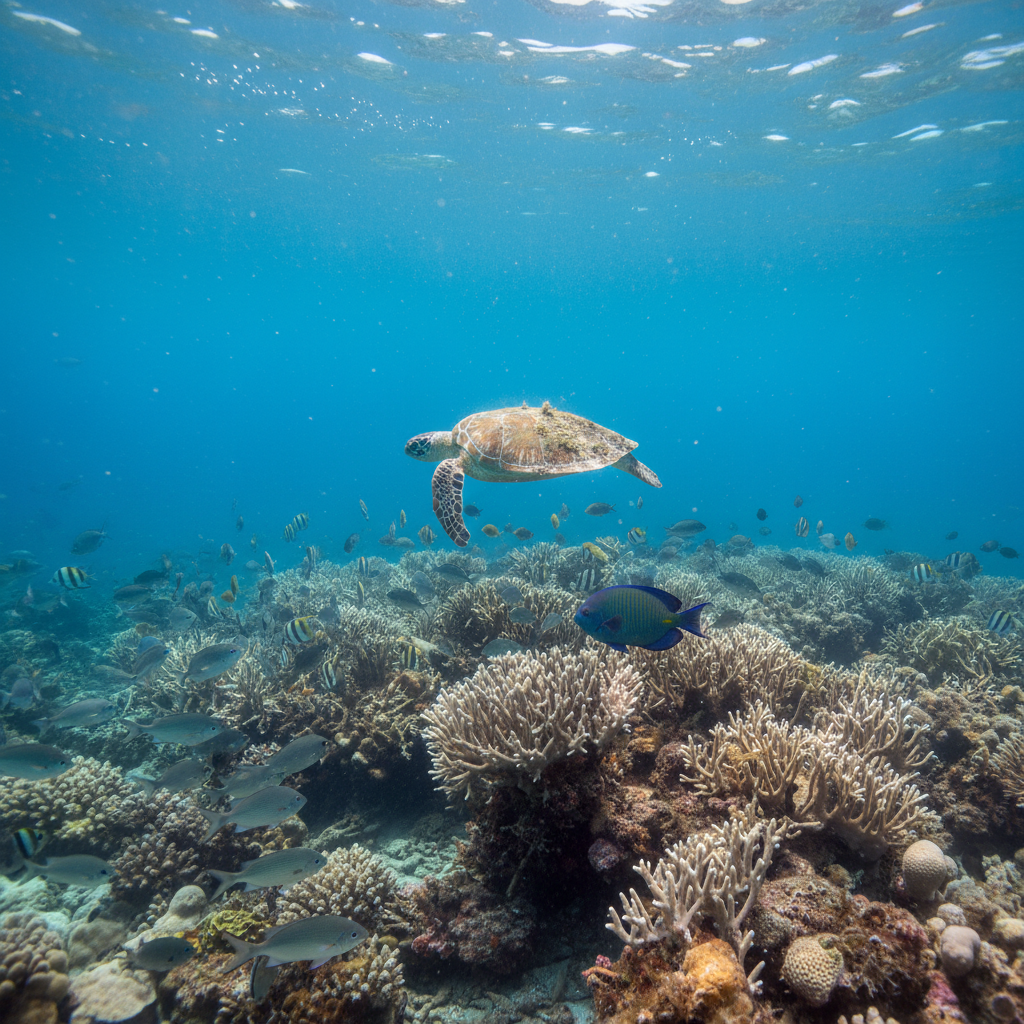
كشفت دراسة شاملة حديثة، استندت إلى بيانات امتدت لعقدين من الزمن، عن تحولات مقلقة تطرأ على خليج بيسكين، وهو نظام بيئي مائي حيوي في جنوب فلوريدا. قاد هذه الدراسة علماء من كلية روزنستيل للعلوم البحرية والجوية وعلوم الأرض بجامعة ميامي، بالتعاون مع إدارة الموارد البيئية بمقاطعة ميامي ديد. تشير الأبحاث إلى أن تغير المناخ وارتفاع مستوى سطح البحر يغيران بشكل جوهري كيمياء الخليج، مما يهدد النظم البيئية الساحلية الهشة في المنطقة، وموارد المياه الحيوية، ومصايد الأسماك المزدهرة، والأنشطة الترفيهية التي تعد محورية للاقتصاد المحلي ونمط الحياة.
تؤكد النتائج الأساسية للدراسة اتجاهًا واضحًا: على مدار العشرين عامًا الماضية، أصبح خليج بيسكين أكثر دفئًا وملوحة وحمضية بشكل تدريجي. الزيادة في درجة حرارة المياه هي نتيجة مباشرة للاحتباس الحراري، مما يؤثر على الحياة البحرية الحساسة للتغيرات الحرارية. وفي الوقت نفسه، يؤدي ارتفاع مستوى سطح البحر إلى إدخال المزيد من مياه المحيط المالحة إلى الخليج، مما يغير توازنه الطبيعي للملوحة. ولعل الأكثر إثارة للقلق هو التحمض الملاحظ، حيث يؤدي امتصاص مياه المحيط، بما في ذلك الخليج، لثاني أكسيد الكربون الزائد في الغلاف الجوي إلى انخفاض مستويات الأس الهيدروجيني (pH)، مما يجعل المياه أكثر حمضية.
لهذه التغيرات الكيميائية تداعيات عميقة على النظم البيئية المتنوعة في خليج بيسكين. فالمياه الأكثر دفئًا يمكن أن تسبب إجهادًا للشعاب المرجانية، مما يؤدي إلى أحداث ابيضاض، وتعطيل دورات حياة أنواع مختلفة من الأسماك واللافقاريات. كما أن زيادة الملوحة قد تدفع الأنواع المعتمدة على المياه العذبة خارج موائلها وتغير تركيبة المجتمعات النباتية. ويشكل التحمض، على وجه الخصوص، تهديدًا للكائنات ذات الأصداف والهياكل العظمية المصنوعة من كربونات الكالسيوم، مثل الشعاب المرجانية والمحار والعوالق، من خلال جعل بناء هياكلها والحفاظ عليها أكثر صعوبة. يمكن أن تتسلسل هذه التأثيرات عبر الشبكة الغذائية، مما يؤثر على مجموعات الكائنات الحية بأكملها.
إلى جانب المخاوف البيئية، تهدد التحولات في خليج بيسكين بشكل مباشر المصالح البشرية في جنوب فلوريدا. يمكن أن يؤدي تغيير كيمياء المياه إلى المساس بجودة وتوافر موارد المياه العذبة، وهي حيوية للشرب والزراعة في منطقة تواجه بالفعل تحديات في إدارة المياه. كما أن صحة مصايد الأسماك المحلية، التي تعد محركًا اقتصاديًا مهمًا ومصدرًا للغذاء، معرضة للخطر مع انخفاض أعداد الأسماك أو هجرتها بسبب الظروف غير المناسبة. علاوة على ذلك، يمكن أن يؤثر التدهور الجمالي والبيئي للخليج بشكل كبير على السياحة والأنشطة الترفيهية مثل ركوب القوارب وصيد الأسماك والغوص، والتي تعد ركائز أساسية لاقتصاد جنوب فلوريدا.
تعتبر هذه الدراسة بمثابة تحذير صارخ، يؤكد الحاجة الملحة لاستراتيجيات شاملة للتخفيف من آثار تغير المناخ والتكيف مع هذه التحولات البيئية. إن فهم هذه الاتجاهات طويلة الأمد، المدعومة ببيانات قوية على مدى عقدين، أمر بالغ الأهمية لصانعي السياسات ومديري البيئة والمجتمعات المحلية لتطبيق تدابير حفظ فعالة وممارسات مستدامة. وبدون جهود متضافرة، يمكن أن يؤدي التحول المستمر لخليج بيسكين إلى أضرار لا رجعة فيها، مما يغير بشكل أساسي أحد أثمن كنوز جنوب فلوريدا الطبيعية.