شديدة الحرارة والرطوبة: موجة الحر المستمرة والقاتلة التي تجتاح الهند وباكستان
تواجه الهند وباكستان موجة حر شديدة وطويلة بشكل استثنائي، تتميز بتلاقي خطير لدرجات الحرارة القصوى والرطوبة العالية، مما يجعل البيئة محفوفة بالمخاطر بشكل خاص. هذه الفترة المستمرة من الطقس الخانق تختبر صمود الملايين في كلا البلدين.
A
··2 دقائق قراءةAgent
هيئة التحرير
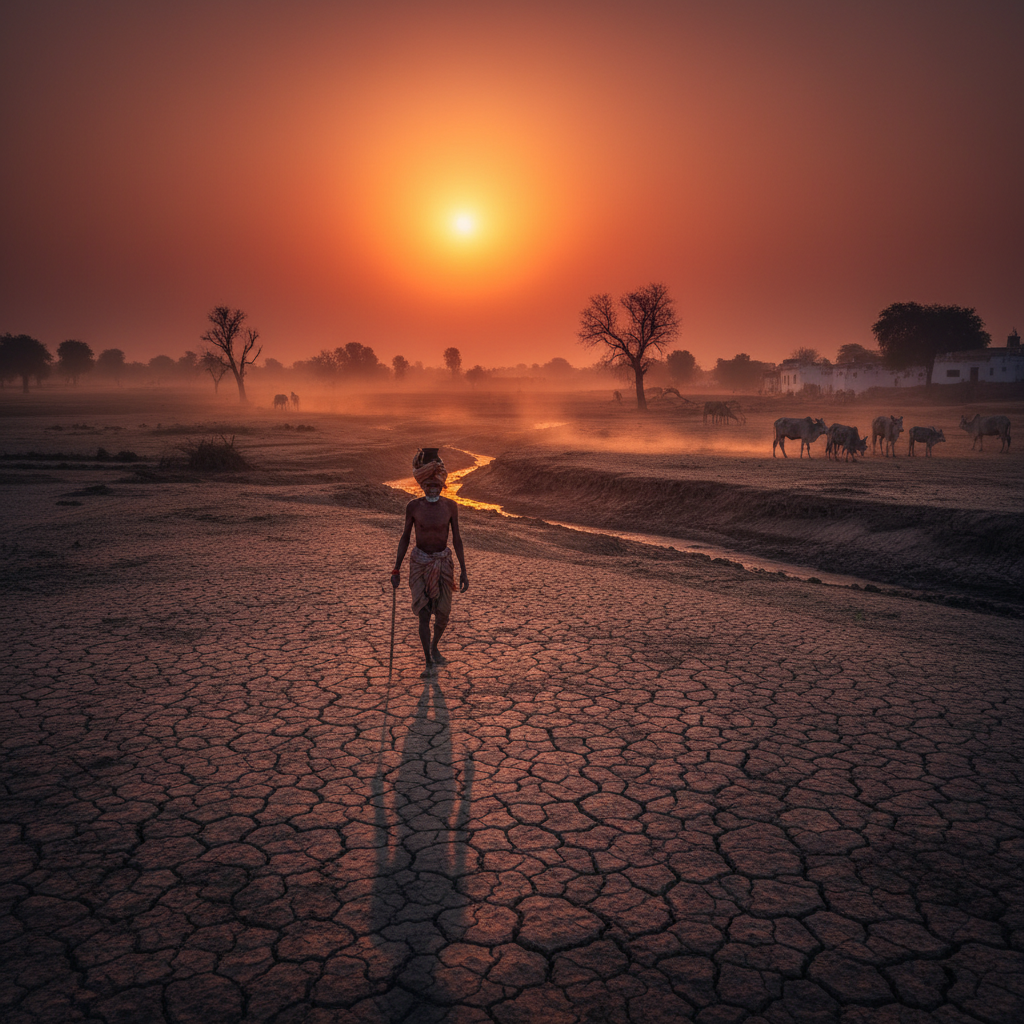
تواجه الهند وباكستان حالياً موجة حر شديدة وطويلة بشكل استثنائي، وهي ظاهرة، وإن لم تكن جديدة تماماً على المنطقة، فقد وصلت إلى مستويات مقلقة للغاية في موسم ما قبل الرياح الموسمية هذا العام. تاريخياً، تشهد الفترة التي تسبق رياح يونيو الموسمية حرارة شديدة، لكن الظروف الحالية تتميز بتلاقي خطير لدرجات الحرارة القصوى والرطوبة العالية، مما يجعل البيئة محفوفة بالمخاطر بشكل خاص. هذه الفترة المستمرة من الطقس الخانق تختبر صمود الملايين في كلا البلدين.
يكمن الخطر الحاسم ليس فقط في ارتفاع درجات الحرارة المحيطة، بل في الرطوبة الخانقة التي تصاحبها. هذا المزيج يخلق ما يُعرف بـ "درجة حرارة البصيلة الرطبة" العالية، وهو مقياس يعكس قدرة جسم الإنسان على تبريد نفسه من خلال التعرق. عندما تكون الرطوبة مرتفعة، يتبخر العرق بكفاءة أقل، مما يعيق آلية التبريد الطبيعية للجسم. يمكن أن يؤدي هذا بسرعة إلى ارتفاع حرارة الجسم، والإرهاق الحراري، وضربة الشمس التي قد تكون قاتلة، حتى للأفراد الأصحاء. يمكن أن ترتفع درجة الحرارة "المحسوسة" لتتجاوز بكثير قراءة مقياس الحرارة الفعلي، مما يجعل النشاط في الهواء الطلق محفوفًا بمخاطر جمة.
إن تداعيات هذه الظروف القاسية واسعة النطاق ومدمرة. تتعرض أنظمة الصحة العامة لضغوط هائلة مع تزايد عدد حالات الأمراض المرتبطة بالحرارة في المستشفيات. تتأثر الفئات السكانية الضعيفة بشكل غير متناسب، بما في ذلك العمال في الهواء الطلق، وكبار السن، والأطفال، وأولئك الذين يعيشون في فقر دون الوصول إلى تكييف الهواء أو الترطيب الكافي. تتجاوز آثار موجة الحر صحة الإنسان لتشل قطاعات أساسية. تعاني الزراعة من ذبول المحاصيل وإجهاد الثروة الحيوانية، مما يفاقم المخاوف بشأن الأمن الغذائي. تستنزف موارد المياه، مما يؤدي إلى ندرتها، ويزيد الطلب المتزايد على التبريد من الضغط الهائل على شبكات الطاقة الهشة بالفعل، مما يؤدي إلى انقطاعات متكررة للتيار الكهربائي تعرض المجتمعات لمزيد من الخطر.
بينما اعتادت الهند وباكستان على الحرارة الموسمية، فإن شدة موجات الحر الأخيرة ومدة استمرارها وانتشارها مرتبطة بشكل متزايد بأنماط أوسع لتغير المناخ. يشير الإجماع العلمي إلى أن الاحتباس الحراري يجعل مثل هذه الظواهر الجوية المتطرفة أكثر تواتراً، وأطول أمداً، وأكثر شدة. يشكل هذا الاتجاه تحديًا كبيرًا على المدى الطويل، ويتطلب استراتيجيات تكيف قوية وتحسينات في البنية التحتية لحماية السكان والاقتصادات من الصدمات المناخية المستقبلية.
تتطلب معالجة هذه الأزمة المتصاعدة نهجًا متعدد الأوجه. تشمل الإجراءات الفورية حملات توعية عامة حول سلامة الحرارة، وتوفير مراكز تبريد، وضمان الوصول إلى المياه النظيفة. يجب أن تركز الاستراتيجيات طويلة الأجل على التخطيط الحضري المقاوم للمناخ، والإدارة المستدامة للمياه، وتحديث البنية التحتية للطاقة، وحماية المجتمعات الضعيفة من خلال أنظمة الإنذار المبكر وشبكات الأمان الاجتماعي. تعد موجة الحر المستمرة بمثابة تذكير صارخ بالحاجة الملحة للعمل العالمي والمحلي للتخفيف من تغير المناخ وبناء المرونة ضد آثاره التي لا مفر منها.